A bumper year for dragonflies at WWT wetland sites this summer

By Conservation Correspondent
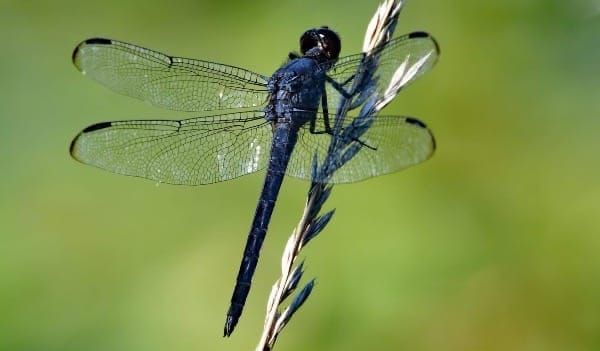
Rare dragonflies and damselflies have been recorded at wetlands across the UK following a busy summer for wildlife, with several species making their debut at WWT reserves.
Almost 200,000 people visited WWT sites during the charity’s Dragonfly Festival, discovering the insects and learning about the importance of wetland habitats.
Highlights included the rare willow emerald damselfly at WWT Washington, while WWT Martin Mere recorded the Norfolk hawker and small red-eyed damselfly for the first time.
Red-veined darters were also spotted at WWT London and WWT Caerlaverock, where the sighting was a first for the Scottish reserve.
At WWT Slimbridge, 24 species of dragonflies and damselflies were recorded, while WWT Welney welcomed its first southern migrant hawkers in 2025.
Other notable sightings included emperor dragonflies and hairy dragonflies at WWT Castle Espie.
The sightings came during an exceptionally hot and dry summer, creating challenges for wetland management. WWT worked to maintain suitable water levels and habitat conditions to support wildlife.
Leigh Marshall, WWT’s Head of Reserve Management, said the variety of species recorded demonstrated the importance of protecting and restoring wetlands.
The British Dragonfly Society also highlighted how changing climate conditions are influencing dragonfly populations, with some species arriving from continental Europe and others extending their range northwards.
DON'T MISS:
 Good News Post
WWT works alongside the British Dragonfly Society and local recorders to monitor dragonfly populations and manage habitats.
Visitor support from events such as the Dragonfly Festival also helps fund the charity’s wetland conservation and restoration work.