A smarter way to plant trees could help cities beat the heat

By Community Correspondent
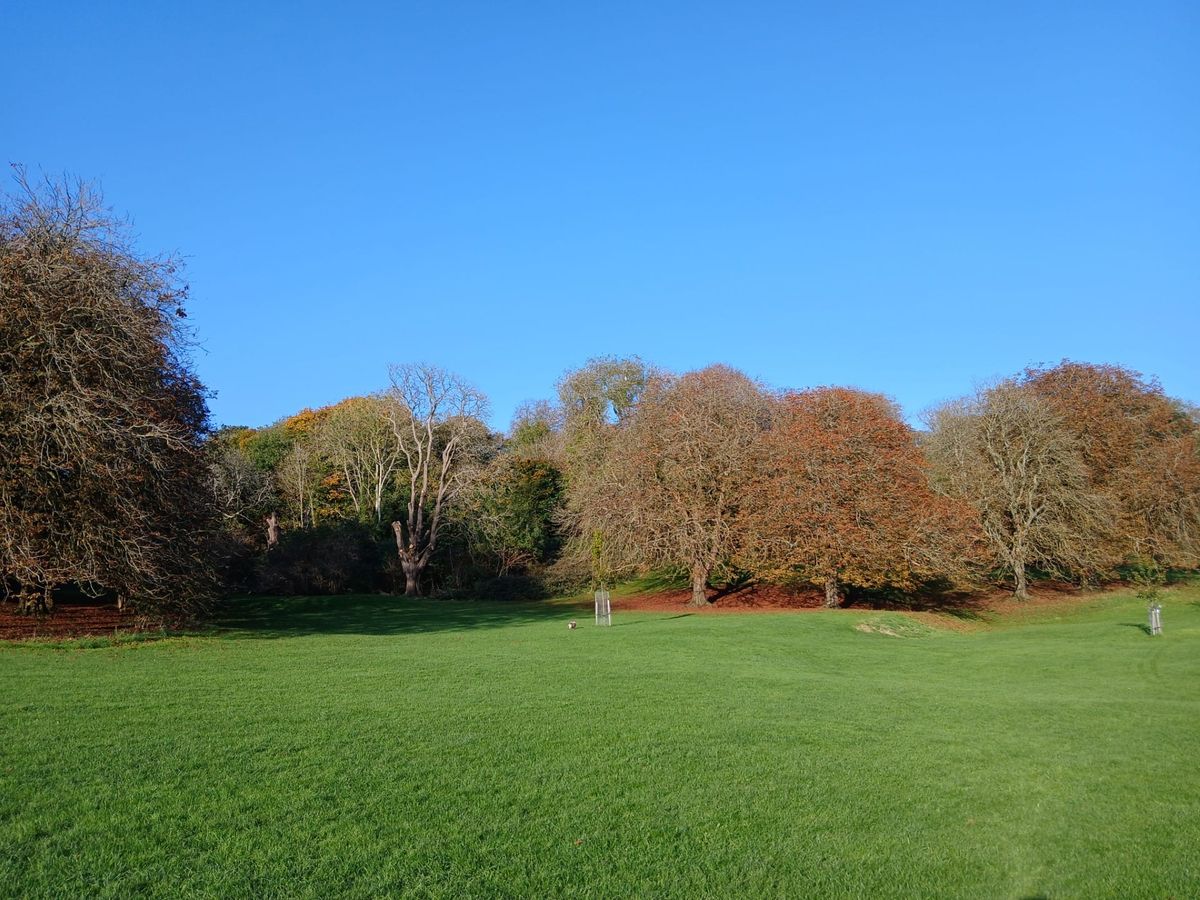
As cities face hotter summers, a team of researchers in British Columbia is finding a smarter way to decide where new trees should go.
Researchers at the University of British Columbia have developed a tool called CanopyFit, which helps cities identify places where trees could provide the greatest cooling benefit — while taking into account the practical challenges of planting them.
Because an empty patch of land isn't necessarily a good place for a tree.
Underground utilities, overhead wires, roads and other infrastructure can all get in the way.
“A site can look empty on a map and still be impossible to plant,” said Dr. Melissa McHale, who leads UBC's Urban Ecology and Sustainability Lab.
CanopyFit was first tested in Kelowna and is now being used to help plan Vancouver's future tree canopy.
By combining the tool with heat maps, shade modelling and demographic data, researchers can identify neighbourhoods where trees are most needed and where they have the best chance of thriving.
In Kelowna, the analysis highlighted areas such as Rutland as priorities for both cooling and equity.
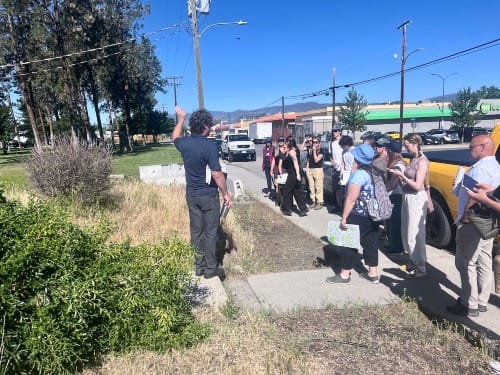
It also found that around half of the city's potential for new tree canopy was concentrated in just 20 per cent of its highest-opportunity planting sites.
That could help cities make limited planting budgets go further, directing trees to the places where they can make the biggest difference.
The potential impact is significant. Researchers found that a 10 per cent increase in tree canopy can reduce mean radiant temperature — the heat people feel from their surroundings — by around 1°C.
The project began in 2022 through a partnership between UBC and the City of Kelowna, with the research shaped around real-world planning needs.
“Our goal is to support the planting and long-term success of more trees across Kelowna, growing a stronger urban canopy for future generations,” said Todd Cashin, the city's urban forestry supervisor.
The work is now spreading to Vancouver, where Diamond Head Consulting has incorporated CanopyFit into its planning tools to help assess future canopy growth.
DON'T MISS:
 Good News Post
For Vancouver Park Board arborist and urban forest planner Reg Eddy, the research could make tree planting more targeted and effective.
“It will help us identify strategic actions to boost canopy cover in the highest-priority areas,” he said.
As extreme heat becomes a growing challenge for cities, the answer may be surprisingly simple: plant more trees — but make sure they're planted where they can do the most good.