Caterpillars ‘Speak’ in Rhythm to Trick Ants into Protecting Them

By Science Correspondent
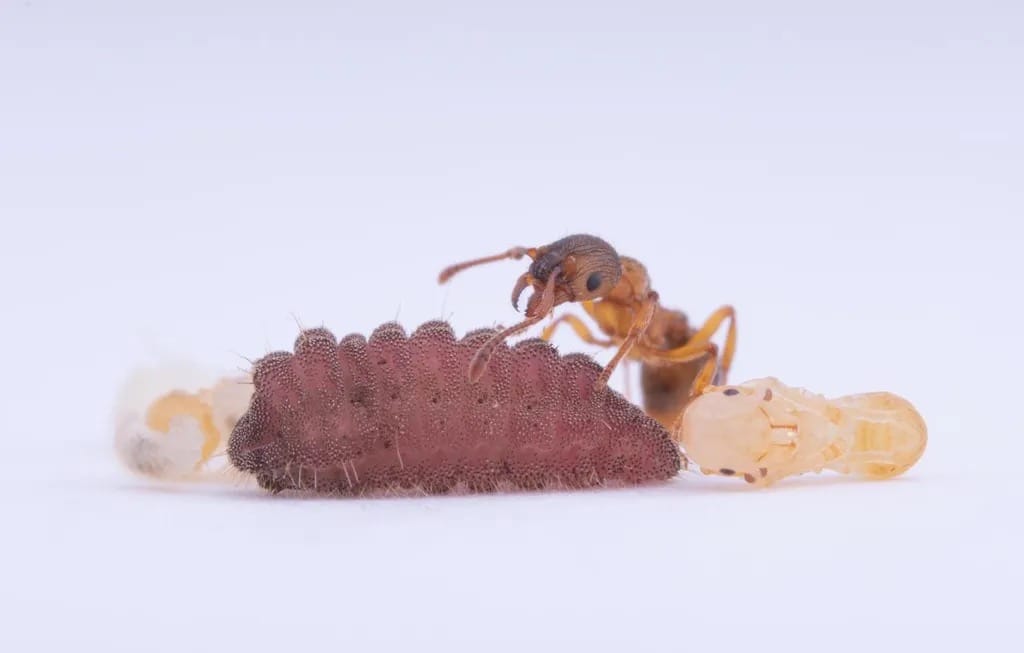
Caterpillars are secretly keeping to a beat – and it could be the key to their survival.
New research from the University of Warwick has revealed that some butterfly caterpillars use carefully timed rhythmic vibrations to communicate with ants, convincing them to offer food, protection and even a place inside their nests.
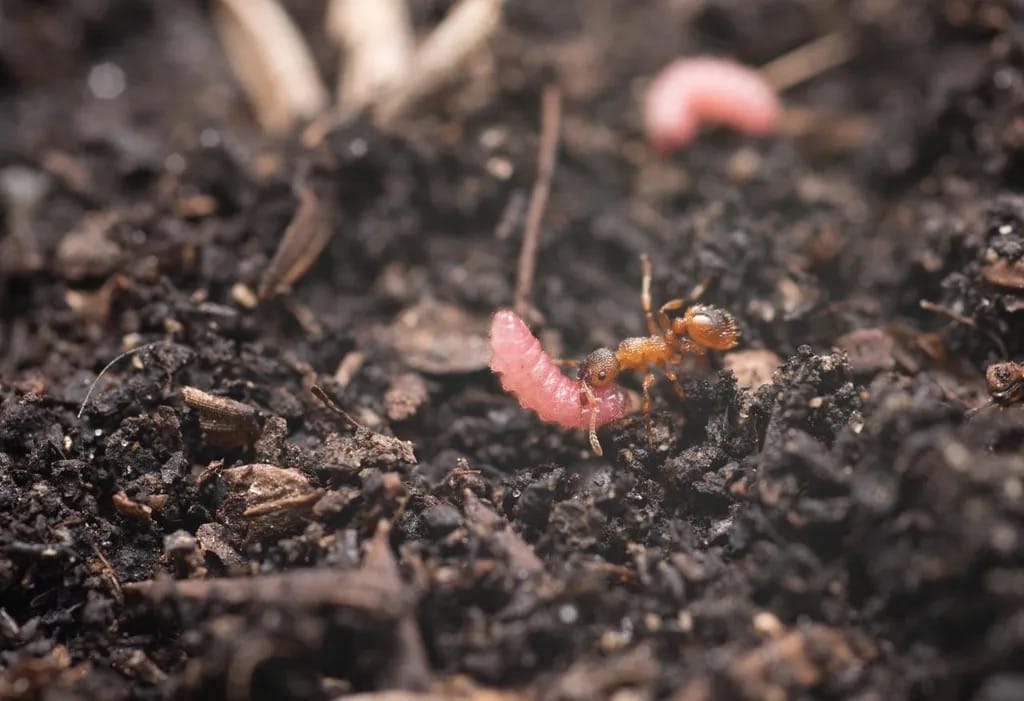
Scientists have long known that caterpillars use chemical tricks to blend in with ant colonies.
But this latest study shows they also “tap” out precise vibrational signals through plants and soil to win ants over.
Dr Chiara De Gregorio, Research Fellow in Warwick’s Department of Psychology said:
“These caterpillars are essentially speaking the ants’ language—not just chemically, but rhythmically. By matching the ants’ beat, they can convince them they belong.
“Rhythm is a fundamental part of human life: we dance to it, clap to it, and instantly notice when something feels out of time. But complex rhythmic organisation has been mainly seen in primates, so for us to find that even ants and caterpillars rely on carefully timed rhythmic signals to communicate is very exciting.
“So, the next time you tap your foot to a beat, remember that somewhere underground, caterpillars may be doing something surprisingly similar: keeping time to stay alive.”
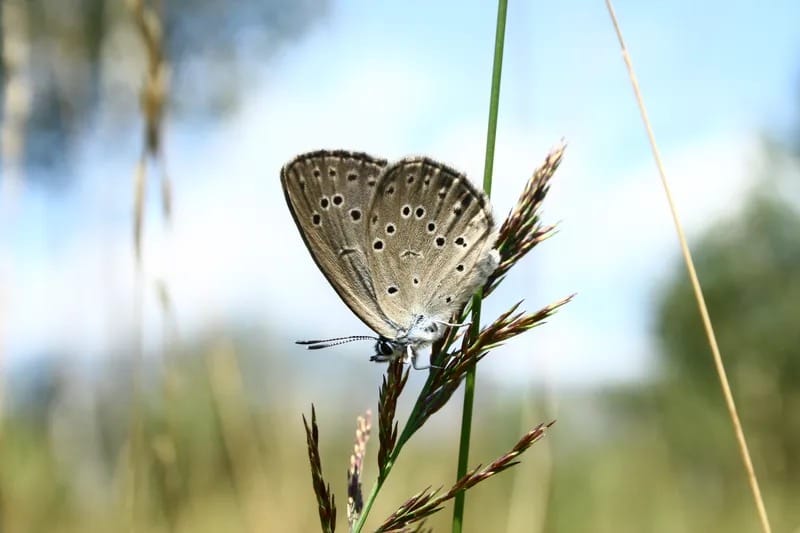
The team analysed tiny vibrations made by ants and nine different caterpillar species.
The most ant-dependent caterpillars produced steady, highly organised rhythms — closely matching the ants’ own patterns. Species with weaker links to ants made simpler, less regular beats.
Professor Francesca Barbero added:
“In the dark, crowded environment of an ant nest, where constant vibrations and noise are unavoidable, precise rhythm may help signals stand out and be recognised quickly. For caterpillars, getting the rhythm right can be vital: it may determine whether ants provide care and protection, or ignore them completely.”
The findings suggest rhythm isn’t just for humans and music — it may be a survival tool used even by some of the smallest creatures on Earth.
TO SEE MORE FROM THE UNIVERSITY OF WARWICK CLICK HERE