Documentary Shines a Light on the Hidden Realities of Living With Scoliosis

By Ellise Hollie Hayward, Disabilities Correspondent
Scoliosis is a condition defined by an abnormal twisting and curvature of the spine. While it is often associated with adolescence, scoliosis can affect people of any age, from young children to adults, and it presents differently in every individual.
Its impact extends far beyond physical changes, shaping daily life in ways that are not always visible to others.
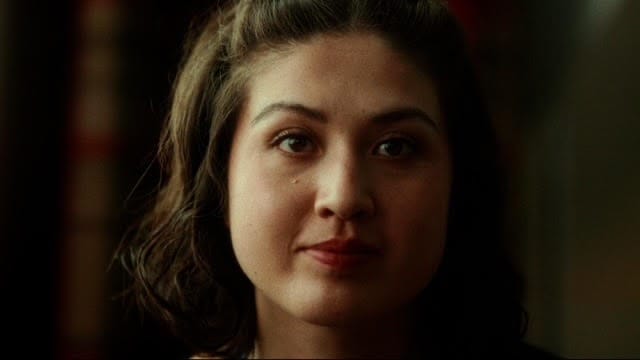
The Living With Scoliosis documentary, Directed by Georgia Kelly and produced by Claudia Kaye was created to bring these often overlooked experiences into the spotlight.
The film aims to give a voice to people who are frequently unheard or misunderstood. Rather than focusing solely on the medical aspects of the condition, the documentary explores the emotional, social, and everyday realities of living with scoliosis. By doing so, it raises awareness, reduces stigma, and reminds viewers that those affected are not alone.
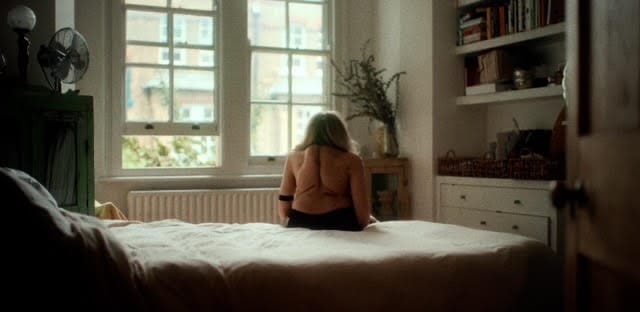
The response to the documentary has been deeply moving.
Many viewers have shared that watching the film made them feel seen, understood, and validated—sometimes for the very first time. For people living with scoliosis, it has helped clarify their own diagnoses, encouraged open conversations with family and friends, and inspired them to seek support with greater confidence.
For those without the condition, the documentary has fostered empathy and a deeper understanding of what living with scoliosis truly involves.
One of the most important messages highlighted in the film is that scoliosis affects everyone differently.
The condition is not always visible, and someone who appears fine on the outside may be dealing with chronic pain, fatigue, or emotional challenges. Scoliosis is not something that can simply be “fixed,” nor does it define a person, but it shapes their experiences and deserves to be acknowledged.
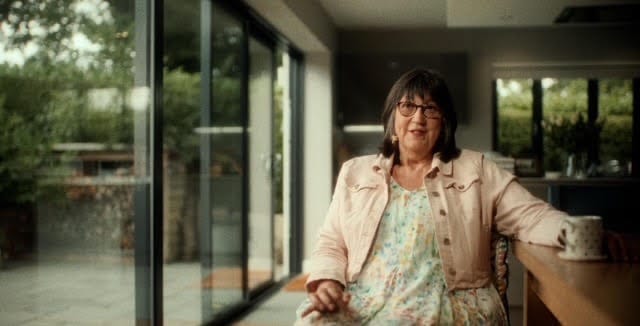
The documentary delivers a powerful message: people living with scoliosis deserve to be listened to, supported, and taken seriously.
WATCH DOCUMENTARY HERE:
No one should feel dismissed or isolated because of their condition. Through greater awareness, compassion, and community, the film calls for a change in how scoliosis is understood—helping to ensure that those affected feel empowered rather than alone.