Extensive Freshened Water Beneath the Ocean Floor Confirmed for the First Time

By Conservation Correspondent
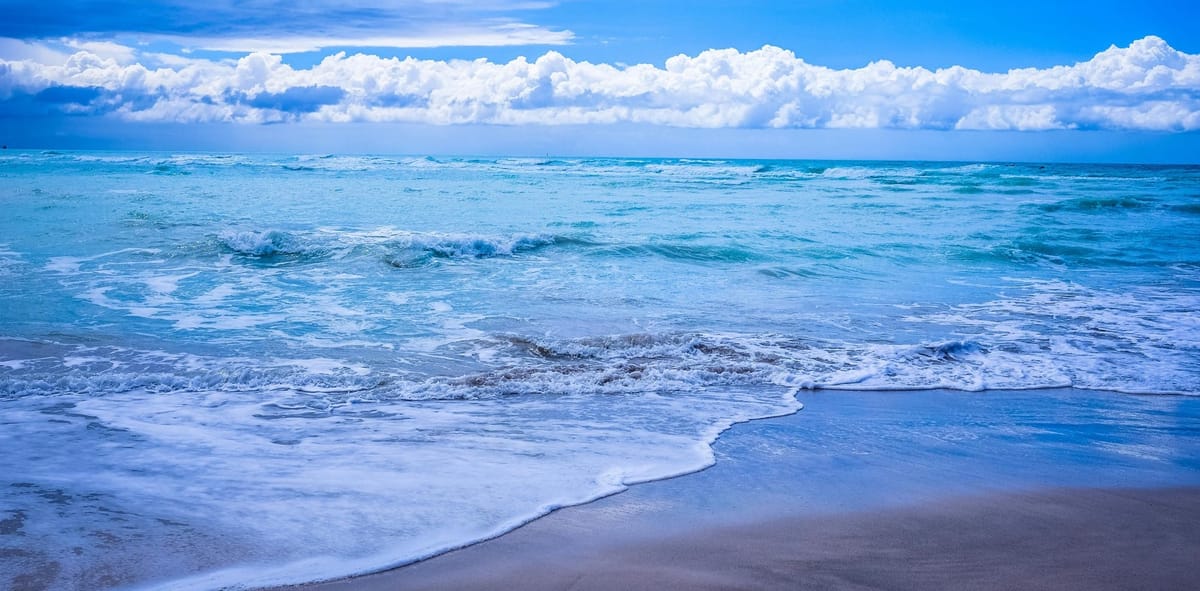
Geoscientists from the University of Leicester are part of an international team that has discovered and sampled ancient freshwater trapped beneath the ocean floor, possibly for thousands of years.
For the first time, scientists have directly studied a large freshwater system sealed below the seabed.
The discovery comes from early analysis of sediment cores collected during an international expedition led by Professor Brandon Dugan and Professor Rebecca Robinson.
The cores were drilled from deep below the seafloor and are now being opened, tested, and sampled at the University of Bremen.
Scientists are spending several weeks working together to better understand how this hidden freshwater system formed, how old it is, and why it matters.
Researchers from Leicester’s IODP3 group joined the expedition and are also taking part in the ongoing sample analysis in Bremen.
The expedition focused not only on collecting sediment cores but also on sampling the water inside them. This included water held in sandy layers that act as aquifers, as well as clay-rich layers that trap water beneath the seabed.
 Good News Post
While most people think of freshwater as something found on land, large amounts of water are also stored underground, including offshore. Many coastal communities rely on these underground water supplies.
Scientists have known for years that freshwater can exist beneath the ocean floor, but these systems have rarely been studied.
During this expedition, the team successfully sampled freshened water from a zone nearly 200 metres thick below the seabed.
Professor Sarah Davies from the University of Leicester said:
“Expedition 501 has been innovative from the outset, introducing new tools, new methods, and new collaborations across the ocean-drilling community. The Onshore Operations continue that momentum, and the cores are already revealing an exciting story.
“For the University of Leicester team, and our partners at Montpellier, this is a particularly rewarding moment— our expertise sits at the heart of some of the expedition’s scientific goals. Once the moratorium ends, this remarkable dataset will be open to the global community, marking the next phase of an exciting research journey.”
Brandon Dugan from Colorado School of Mines, Golden, USA said:
“We were excited to see that freshened water exists in multiple kinds of sediments – both marine and terrestrial. Freshened water in such different materials will help us understand the conditions that emplaced the water.”
Professor Rebecca Robinson added:
“The cores contain sediment with a wide range of composition and ages. It was surprising to see sediment, not rocks, throughout the section. The sediment has not yet transformed into rock – I did not expect to see that and it will be an interesting component of our future work.”
The findings will help scientists better understand offshore freshwater systems near New England and around the world.
This research is important for coastal regions that depend on groundwater and will also improve knowledge of nutrient cycling, microbes beneath the seabed, sea level change, and freshwater movement below the ocean floor.
The expedition is a collaboration between the International Ocean Drilling Programme (IODP³) and the US National Science Foundation. Offshore drilling took place between May and August 2025, with onshore work continuing in Bremen.
All samples and data will be stored and made publicly available after a one-year moratorium.