Hope for Dunlin as Rare Wading Birds Found Breeding in Pennines

By Conservation Correspondent
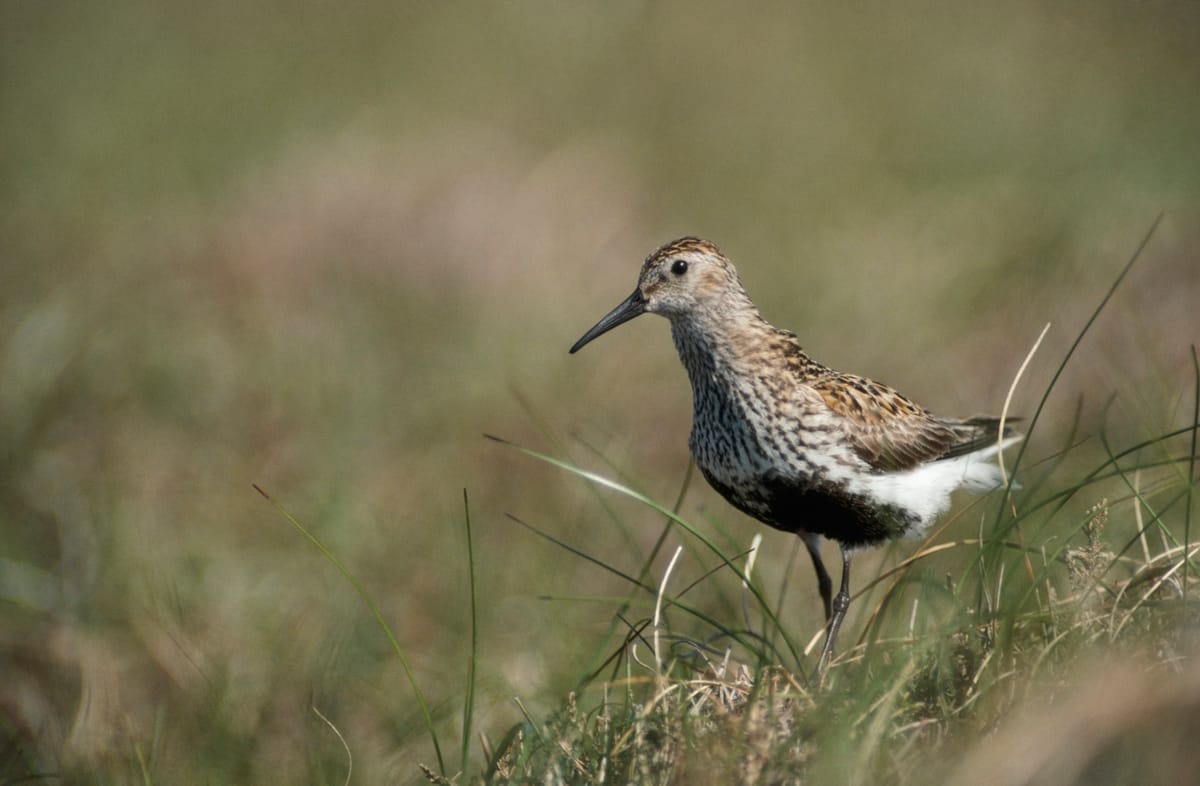
A major survey led by the RSPB has confirmed that Dunlin, a rare and declining upland wading bird, are breeding across large areas of suitable habitat in the Cumbrian Pennines, offering fresh hope for the species’ future in England.
Funded by Natural England, the 2025 survey is the first coordinated effort of its kind across such a wide upland landscape in northern England. It provides vital new evidence about where Dunlin are surviving and what conditions they need to thrive.
The work was carried out by the RSPB in close collaboration with landowners and volunteers, including members of Cumbria Bird Club.
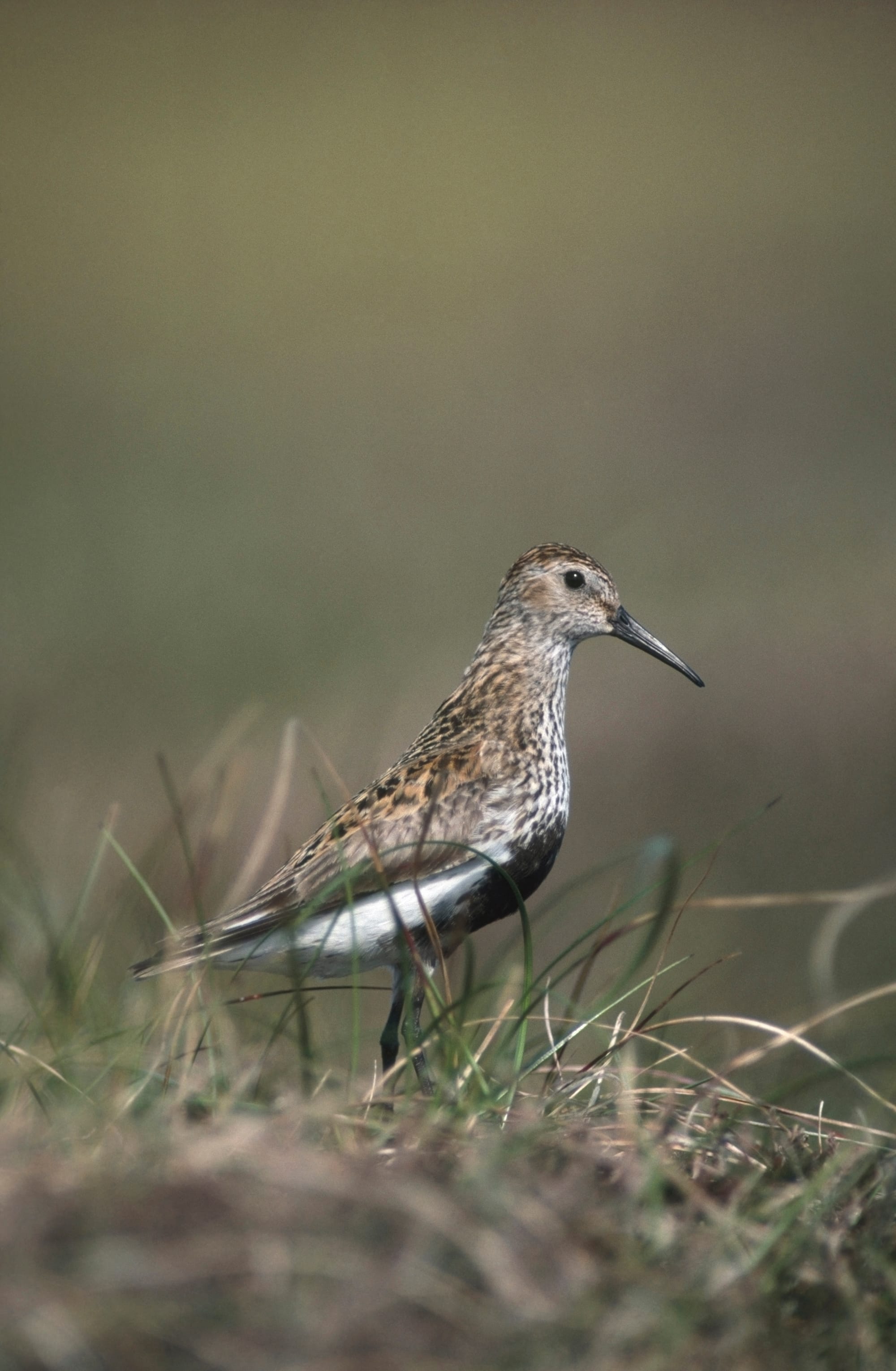
Dunlin are small, starling-sized wading birds with striking breeding plumage. Globally, their numbers have fallen by at least 20% since the early 2000s, with the species now classed as Near Threatened on the IUCN Red List and Red-listed in the UK, largely due to declining habitat quality.
Surveys were carried out at 14 locations across the Cumbrian North Pennines during the breeding season between May and July 2025.
Around 30 birds were recorded at eight sites, confirming the species remains present across significant areas of high-quality upland habitat.
Fieldwork focused on remote, wet landscapes, including High Helbeck Estate, where peatland restoration and habitat improvement work has been under way for several years. Surveyors used traditional field methods alongside remote cameras, acoustic recorders and drones, with footage capturing Dunlin chicks feeding in bog pools.
Dunlin breeding in the Pennines migrate thousands of miles each year to winter in West Africa, making protection of their breeding habitat critical.
Dr Elisabeth Charman, Senior Conservation Officer at the RSPB, said:
“To find Dunlin breeding in new areas was extremely rewarding, and we hope our partnership efforts can contribute to their continued success in the Pennines.”
Joint landowner at High Helbeck, Nicolete Blackett-Ord, said the confirmation of breeding birds was “particularly special” after years of habitat restoration work with conservation partners.
 Good News Post
Natural England’s Kath Milnes said the findings showed how investing in nature and restoring peatlands can create the right conditions for threatened species to recover.
The North Pennines is one of the RSPB’s Priority Landscapes, with more than 25 years of wader conservation work already under way.
The charity hopes the new findings will encourage further reporting of Dunlin sightings and help guide future conservation action across the region.