
Martha’s Rule Campaigner Meets Medical Students Learning the Power of Empathy

By Education Correspondent
A patient safety campaigner whose teenage daughter died after mistakes in hospital care has visited medical students in Leicester to see how a unique teaching approach is helping future doctors develop empathy.
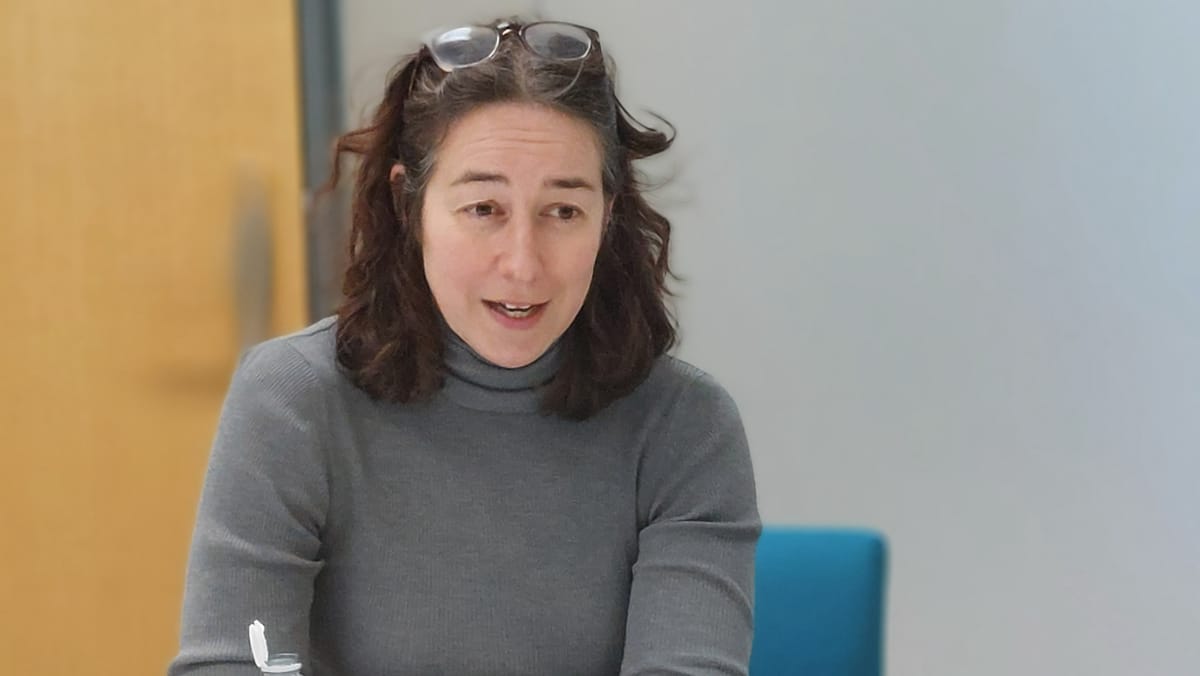
Merope Mills, who founded the campaign behind Martha’s Rule, met students at the University of Leicester to observe how literature and reflective writing are being used in medical education.
Her daughter Martha Mills died from sepsis at King’s College Hospital NHS Foundation Trust in 2021 at the age of 13.
A coroner later concluded that Martha would likely have survived if she had been moved to intensive care sooner and received the right treatment.
Following her daughter’s death, Merope launched a campaign calling for patients and their families to have the right to request an urgent review from specialist clinicians when they feel concerns about care are not being addressed.
That campaign led to the introduction of Martha’s Rule, which allows patients and families to request a rapid review from a critical care outreach team. The system is now being piloted in more than 140 hospitals across England, supported by a dedicated helpline.
Learning Empathy Through Literature
During her visit to Leicester, Merope observed a class of foundation year medical students taking part in a book discussion session designed to build empathy.
Students analysed passages from You Don’t Have to Be Mad to Work Here, written by psychiatrist Benji Waterhouse, which explores life working in mental health services.
The session was led by Dr Felicity James, an Associate Professor from the university’s English department, who works with medical educators to integrate literature and creative writing into the curriculum.
Dr James explained that reading and writing exercises can help students develop observation, curiosity and the ability to see situations from different perspectives.
“Shared reading and creative writing encourage many of the skills that medical students will need throughout their careers,” she said. “Close reading and perspective-taking can help develop both observation and critical thinking.”
Building Empathy Into Medical Training
The programme is supported by the Stoneygate Centre for Empathic Healthcare, part of the University of Leicester.
Dr Rachel Winter, Associate Professor in Medical Education and Empathic Healthcare, said the book club forms part of a wider effort to help students better understand patients’ experiences.
“We want students to recognise how important empathy is in medicine,” she said. “Whether it’s listening carefully to a patient, helping a child explain their symptoms, or understanding a parent’s concerns, empathy can improve communication and lead to safer care.”
Students are encouraged to explore a wide range of texts throughout their degree as a way of reflecting on medical practice and the impact healthcare professionals have on patients and colleagues.
Putting Empathy Into Practice
Alongside reading sessions, students also take part in role-play consultations early in their training. These exercises focus on building rapport with patients rather than simply diagnosing symptoms.
Dr Sam Adcock, Foundation Year Lead for Medicine, said the aim is to help students reflect on how they communicate with patients.
“It’s about asking yourself a simple question,” he said. “If this was a loved one sitting in front of me, would I be happy with the way they’ve just been treated?”
Hope for the Future
Students say the approach is already making a difference.
Fourth-year medical student Emily West said empathy training helps future doctors build trust with patients.
“I can see how the empathy skills taught on the course help patients feel more comfortable during consultations,” she said. “It’s something people notice when Leicester students go out on clinical placements.”
Reflecting on her visit, Merope said seeing empathy education in action gave her hope for the future.
“I know from personal experience how important empathy is in medicine,” she said. “It was inspiring to see students being encouraged to really listen and understand their patients. It makes me hopeful that future generations of doctors will communicate more effectively with families.”