Record Bird Numbers on RSPB Nature Reserve Created from the Excavation of the Elizabeth Line

By Conservation Correspondent
An RSPB nature haven built from the tunnel excavations of London’s Elizabeth line is now home to a record number of birds, with nearly 40,000 birds arriving last winter.
The site, Jubilee Marsh on RSPB’s Wallasea Island nature reserve in Essex, was walled off from the sea hundreds of years ago.
After acquiring Wallasea Island in the mid-2000s, the RSPB began work to turn the whole area back into a nature haven.
Through a collaboration with TfL, as part of the Crossrail project, over three million tonnes of soil were transported from the excavated Elizabeth line in London to the coast, lifting the ground and making wetlands that provide feeding, nesting, and refuelling spots for birds.
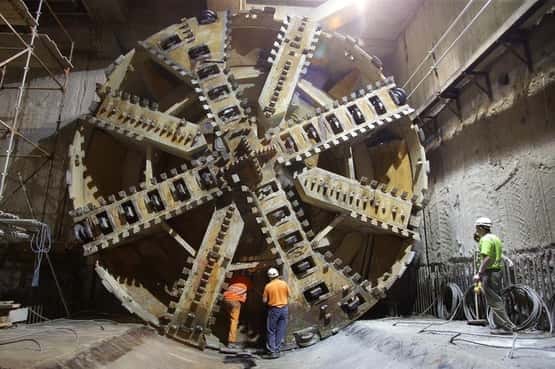
In July 2015, segments of the seawall were removed and the sea flowed back into Wallasea Island for the first time in 400 years.
The sea swept amongst the new purpose-built islands that make up Jubilee Marsh, creating lagoons, saltmarshes, and whole new islands. This ‘rewetting’ of the island also provides natural flood defences by helping to absorb storm surges and rising water levels.
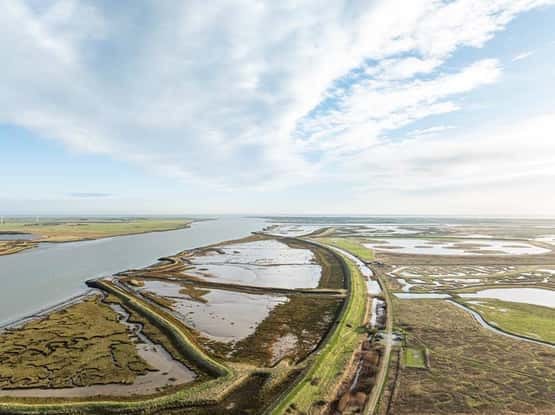
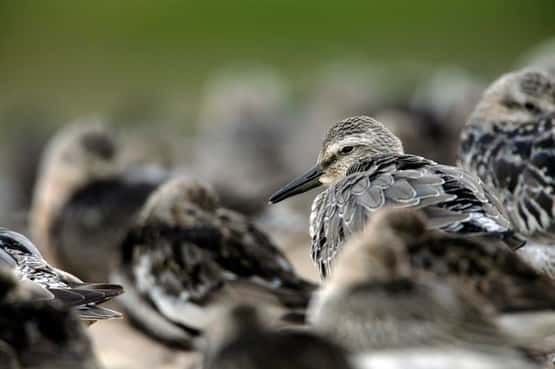
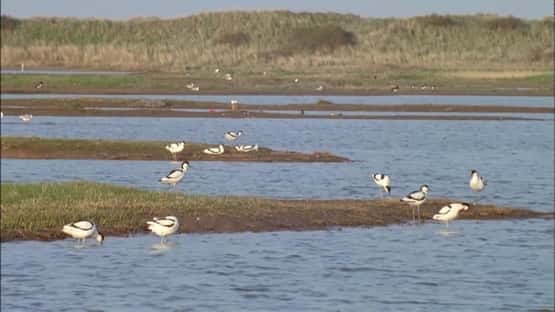
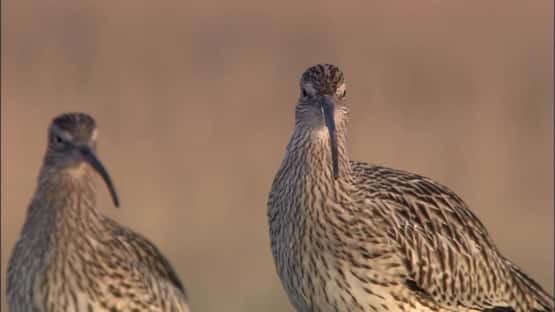
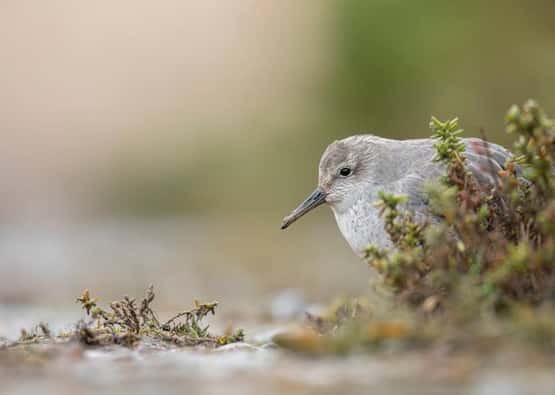
Now, on its 10th anniversary, where there were once only a handful of birds the site has now seen nearly 800 Avocets, over 10,000 Knot, and nearly 3,000 Grey Plover and Bar-tailed Godwits, with a new record of 39,000 birds over-wintering on the site.
England’s east coast wetlands are of such importance to wildlife that they are on the UK’s Tentative List for UNESCO World Heritage status. If selected, it would place sites from the Thames Estuary to Lincolnshire on the same stage as the Galapagos Islands and the Great Barrier Reef.
Rachael Fancy, Wallasea Island Site Manager, said:
“When I first started working at Wallasea Island it looked an awful lot like a construction site – because that’s what it was! But just ten years on there’s no evidence of the diggers or trucks. There’s just thousands and thousands of birds who now use it as a refuge, shelter, and nursery to their chicks. It’s an almost unbelievable transformation.”
Milo Sumner, RSPB England Coastal Programmes Manager, said:
“Wallasea shows what’s possible when business has an ethos of working with and alongside nature. The creation of the Elizabeth line was one of the most ambitious infrastructure projects in decades, and by collaborating we were able to create a win for nature and people from what would otherwise have been a huge pile of wasted soil. We’d like to say a huge thank you to TfL for jumping on this opportunity, and of course to our teams and volunteers who helped make it a reality.”

Isabel Coman, Director of Engineering and Asset Strategy at TfL, said:
"It’s amazing that record numbers of birds are now thriving at RSPB Wallasea. Through the creation of the Elizabeth line — now the UK’s single busiest railway service — we’ve also been able to make a lasting, positive contribution to England’s east coast wetlands, which are a vital habitat for wildlife. At TfL, our vision is to be a strong, green heartbeat for London, and nature is quickly becoming a critical asset for us. This collaboration shows how our commitment can deliver benefits far beyond the capital.”
If you have a positive story or uplifting news to share, we’d love to hear from you!
Just email us at news@goodnewspost.co.uk.
Whether it's a local hero, an act of kindness, or a personal win, your story could help spread joy and improve someone’s mental health.
Let’s make the world a little brighter, one good news story at a time.
And don’t forget—you can sign up for free to get the latest feel-good stories straight to your inbox!