Scotland Becomes First UK Nation to Protect Swifts in Law

By Conservation Correspondent
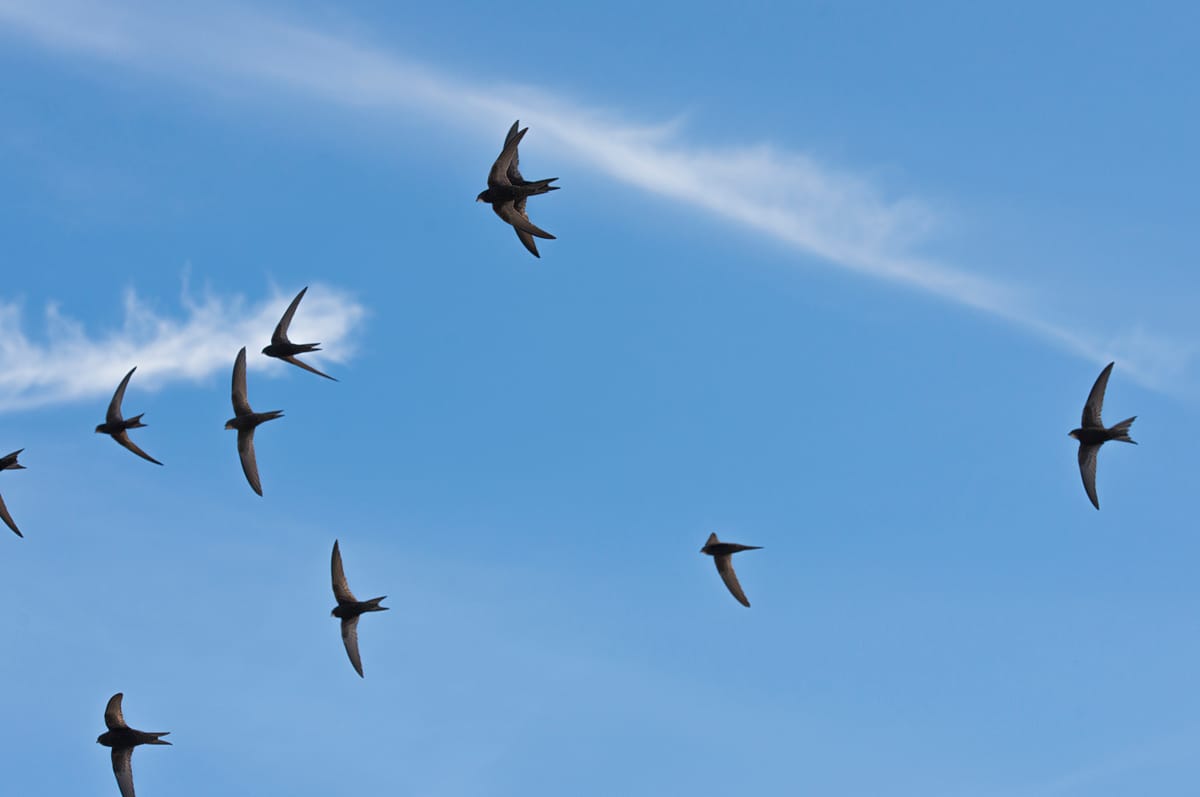
Scotland has become the first nation in the UK to legally require swift nesting bricks in new buildings, following the passage of the Natural Environment Bill in the Scottish Parliament.
Wildlife charities have hailed the move as a landmark moment for nature recovery, with RSPB Scotland calling it a “turning point” for one of the country’s most threatened bird species.
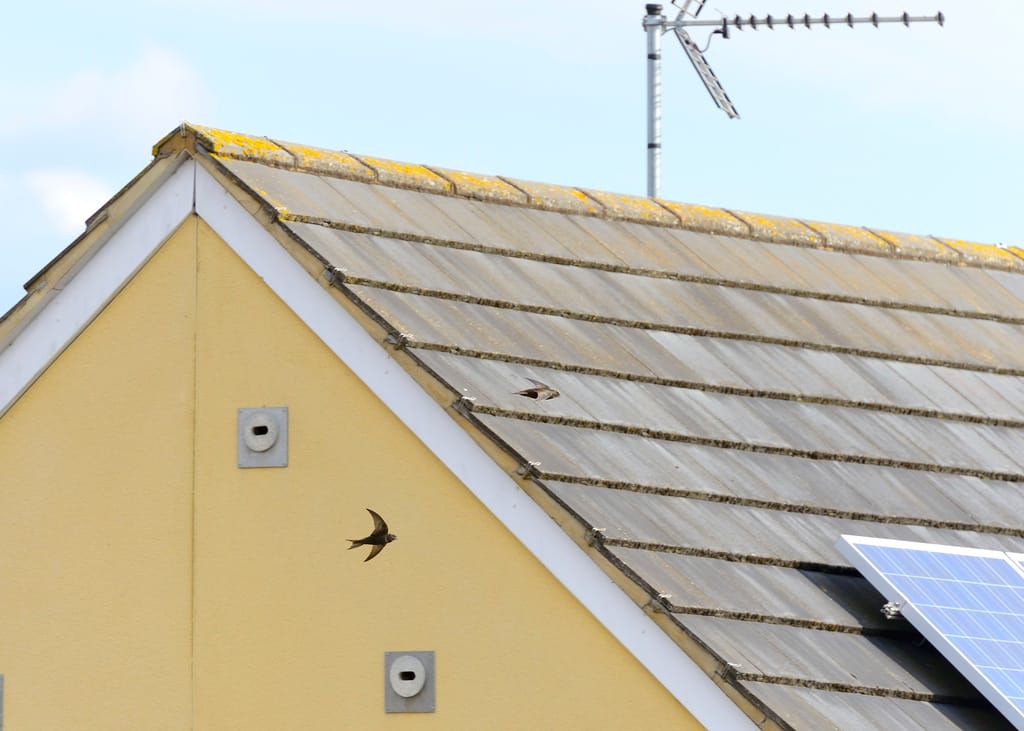
For the first time, the Bill places a legal duty on the Scottish Government to set binding nature targets, while also introducing measures aimed at tackling the loss of nesting sites caused by modern building design.
Swift populations in Scotland have declined sharply in recent years.
Swift nesting bricks — hollow bricks built directly into walls — provide safe, long-lasting nest sites for swifts and other cavity-nesting birds such as house sparrows.
Costing around £30 each, they are widely seen as a simple and effective conservation solution.
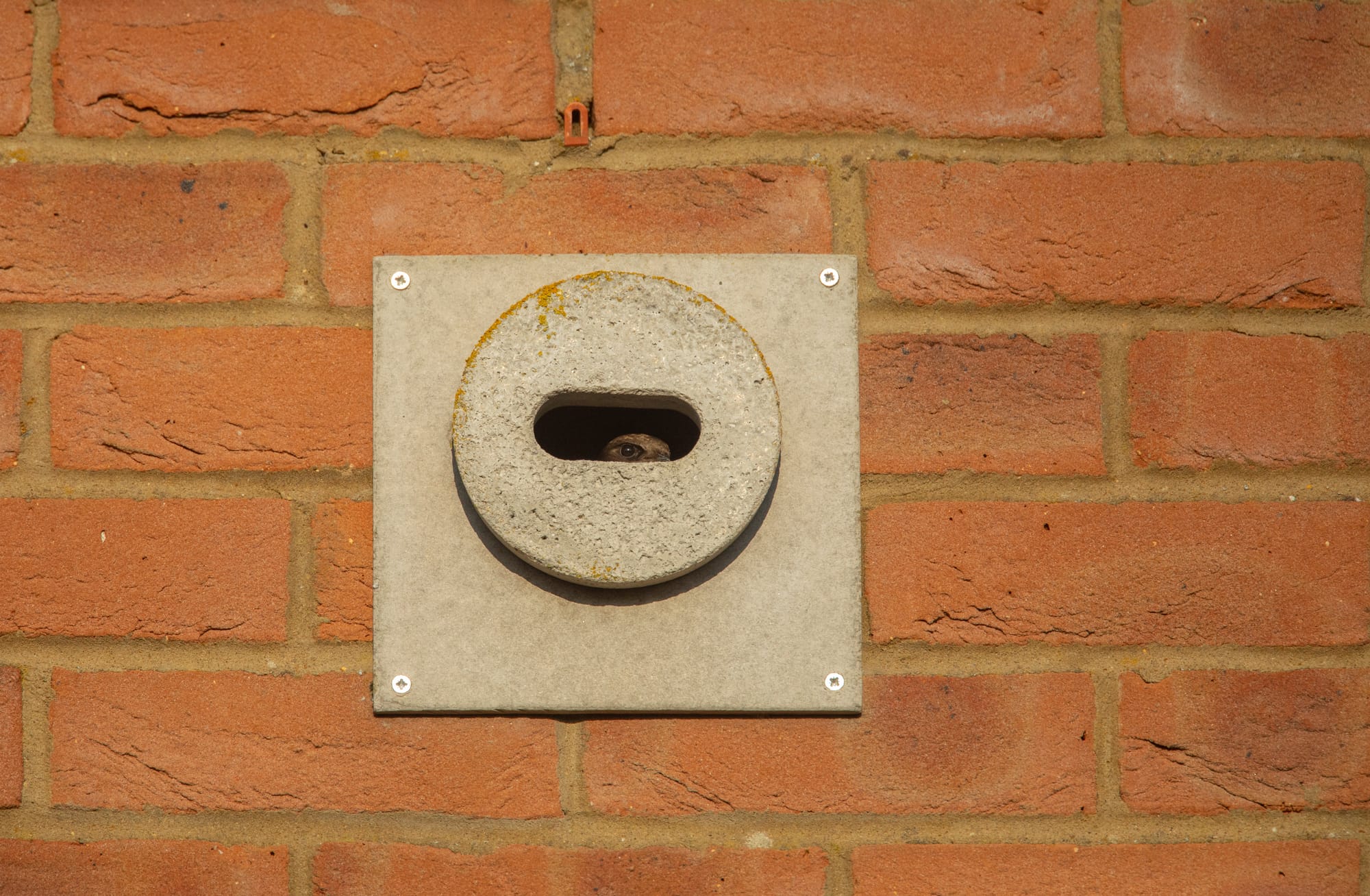
Attempts to introduce similar legal requirements elsewhere in the UK have so far failed, with proposals rejected in England and Wales, and only early discussions underway in Northern Ireland.
Cross-party backing in Scotland, however, has allowed the measure to pass, offering renewed hope for the species.
Dr Paul Walton of RSPB Scotland said swift numbers have plummeted to “heart-breaking” levels, adding that providing nest sites in buildings is proven to help birds breed successfully. He stressed the need for the next Scottish Government to implement the law quickly to ensure the benefits are realised.
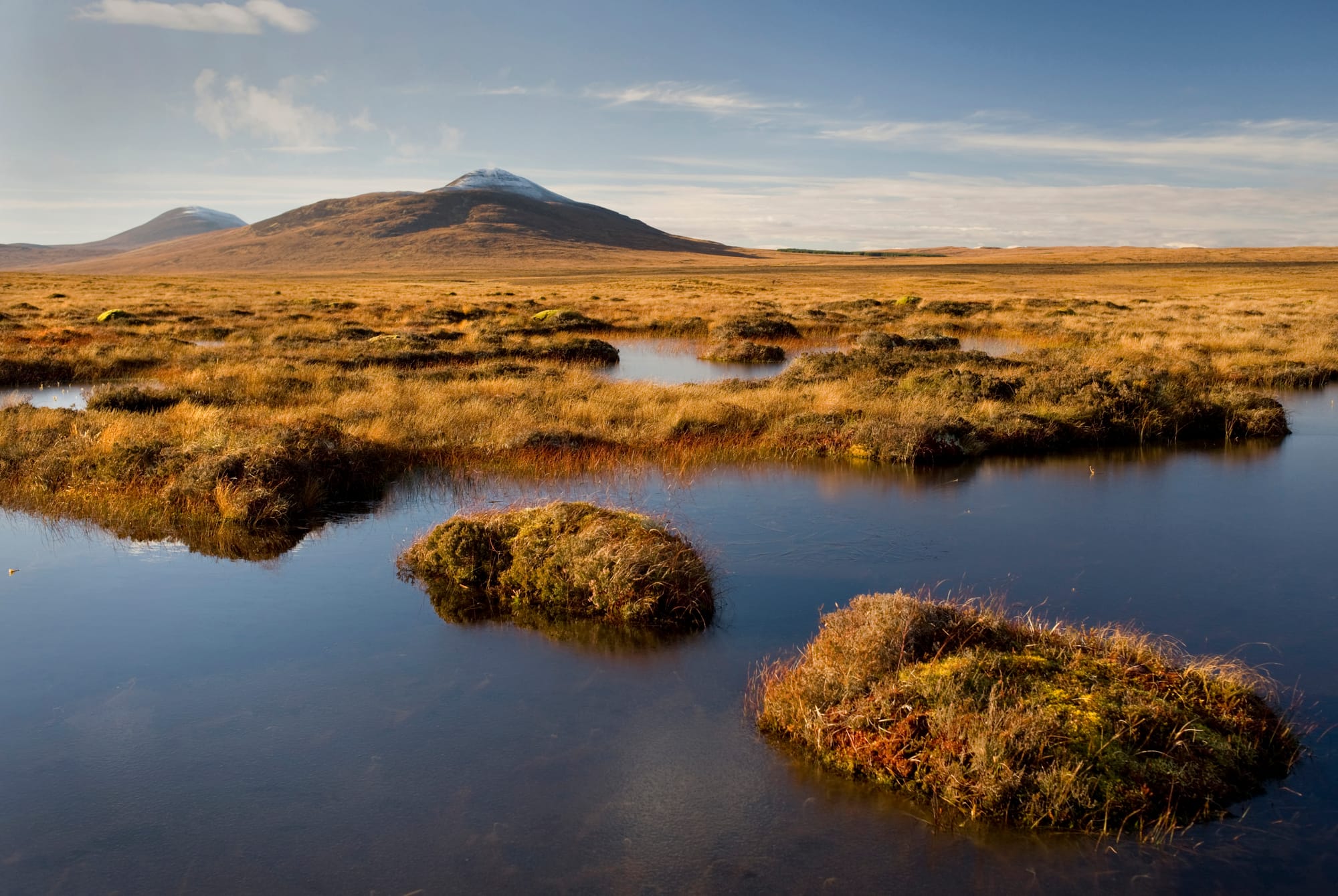
The Bill also strengthens protections for Scotland’s internationally important wetlands, including Ramsar sites such as Loch Lomond and the Flow Country, and introduces reforms to deer management and National Parks legislation.
While conservation groups have raised concerns over some elements, they say the combined measures could mark a decisive moment for nature recovery.
The legislation is now awaiting Royal Assent and is expected to become the Natural Environment (Scotland) Act 2026.