Walking, dance and yoga may improve mental wellbeing during menopause, study suggests

By Health Correspondent
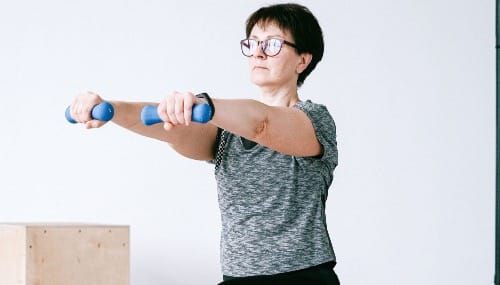
A review of more than 1,000 women suggests physical activity, including walking, dance and yoga, may help improve mental wellbeing and quality of life during perimenopause and early post menopause.
Published in Menopause Journal, the review analysed 12 randomised controlled trials involving women across seven countries to examine how different types of exercise affected psychological symptoms during menopause.
Aerobic activities, such as walking, dance and Zumba, showed the strongest effects in reducing depressive symptoms and improving overall quality of life.
Meanwhile, mind-body activities like tai chi and Pilates, were associated with improvements in psychological quality of life.
Improvements in depression, mood and quality of life were particularly evident among women in early post menopause, which begins 12 months after a woman's final menstrual period.
Physical activity was also associated with improvements in depressive symptoms during perimenopause.
Researchers suggest exercise could offer an accessible, low-cost option for women experiencing menopause-related psychological symptoms, either as an early intervention or alongside medical and psychological treatments.
Senior author Professor Aimee Spector, Director of UCL's Menopause Mind Lab, said: “Physical activity is an effective, accessible, non-pharmacological strategy to support psychological well-being and quality of life during midlife menopause.”
The researchers also highlighted the potential benefits of group exercise, which may encourage social connection and peer support.
However, they stressed that further high-quality research is needed to establish which activities are most beneficial and how best to incorporate them into menopause care. The evidence remains limited, with considerable variation between studies and many judged to have a high risk of bias.