
Weekly park visits linked to better mental health in children, study finds

By Mental Health Correspondent
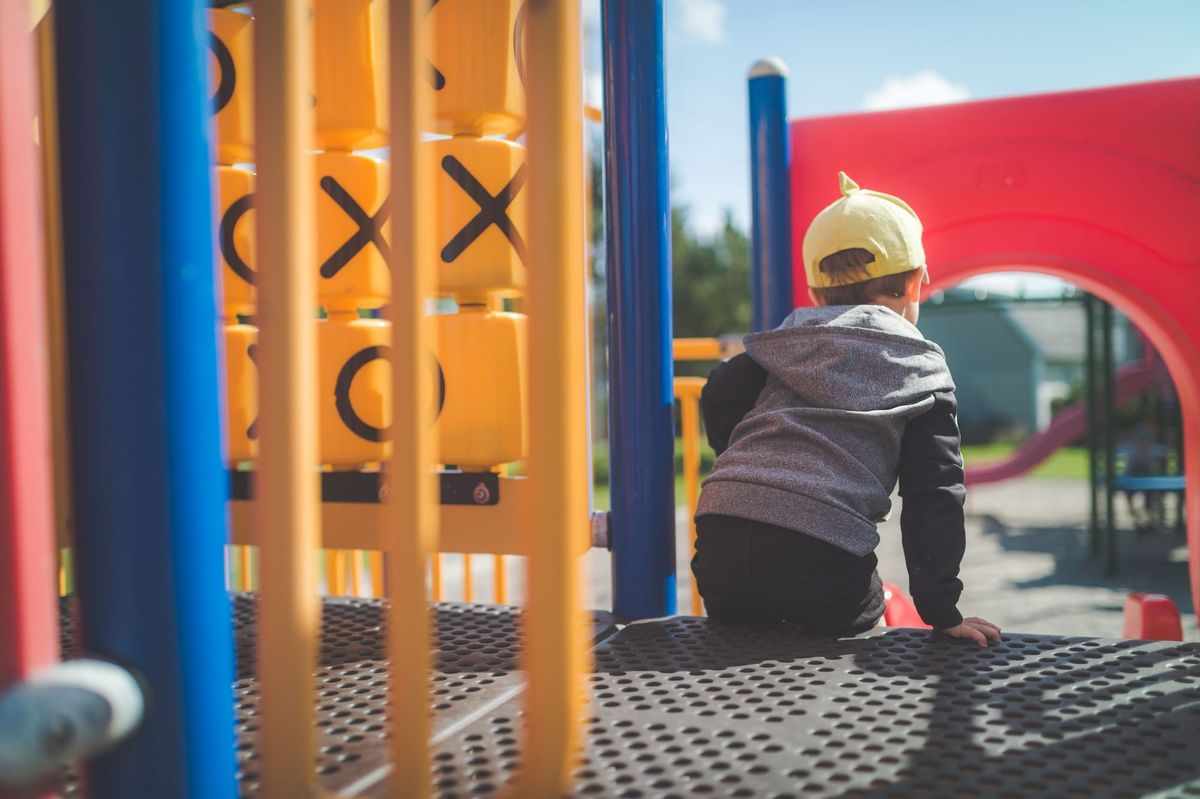
Children who regularly visit parks and playgrounds may have better mental health and social skills, according to new research from the Universities of Exeter and Bristol.
The study, published in Journal of Epidemiology and Community Health, examined 4,219 children aged between four and 11, using information from the long-running Children of the 90s research project.
Researchers found that children who visited parks at least once a week throughout their childhood, from birth to age 11, scored an average of 16.5 per cent higher in mental health assessments than those who visited less frequently.
The findings took account of other influences, including family circumstances and socio economic background.
The research explored social-emotional development, which includes children's ability to manage emotions, build relationships, interact with others and cope with everyday challenges.
Children generally showed stronger social-emotional development during periods when they visited parks more regularly.
Those with more frequent park visits overall also tended to achieve better scores.
Lead researcher Mark Ferguson, from the University of Exeter, said regular visits could be a simple waytosupport children's wellbeing.
He said: “Our research suggests encouraging children to visit parks and playgrounds at least once aweekcould be a practical way to support their emotional wellbeing, social skills and mental health.”
He also highlighted the importance of ensuring parks are safe, accessible and welcoming to families from all backgrounds.
 Good News Post

The researchers found differences in park use according to family circumstances. Children from more advantaged households appeared to visit parks more frequently when younger, although this pattern changed as they grew older, with some children from less advantaged families visiting more often.
The findings suggest accessible green spaces could play a role in supporting children's development and potentially reducing inequalities.
However, researchers stress that parks must be of good quality and available to everyone.
 Good News Post
The research was funded by the UK Medical Research Council and the National Institute for HealthandCare Research (NIHR). As the findings are based on one long-running UK study, further research is needed to establish whether the results apply to children in other communities.