Who’s been eating their greens? London Zoo animals get their annual weigh-in

By Animals Correspondent
London Zoo’s annual weigh-in has once again shown just how varied life can be at the conservation zoo – with a 50.5kg capybara sharing the scales with a giant land snail weighing just 102.5g.
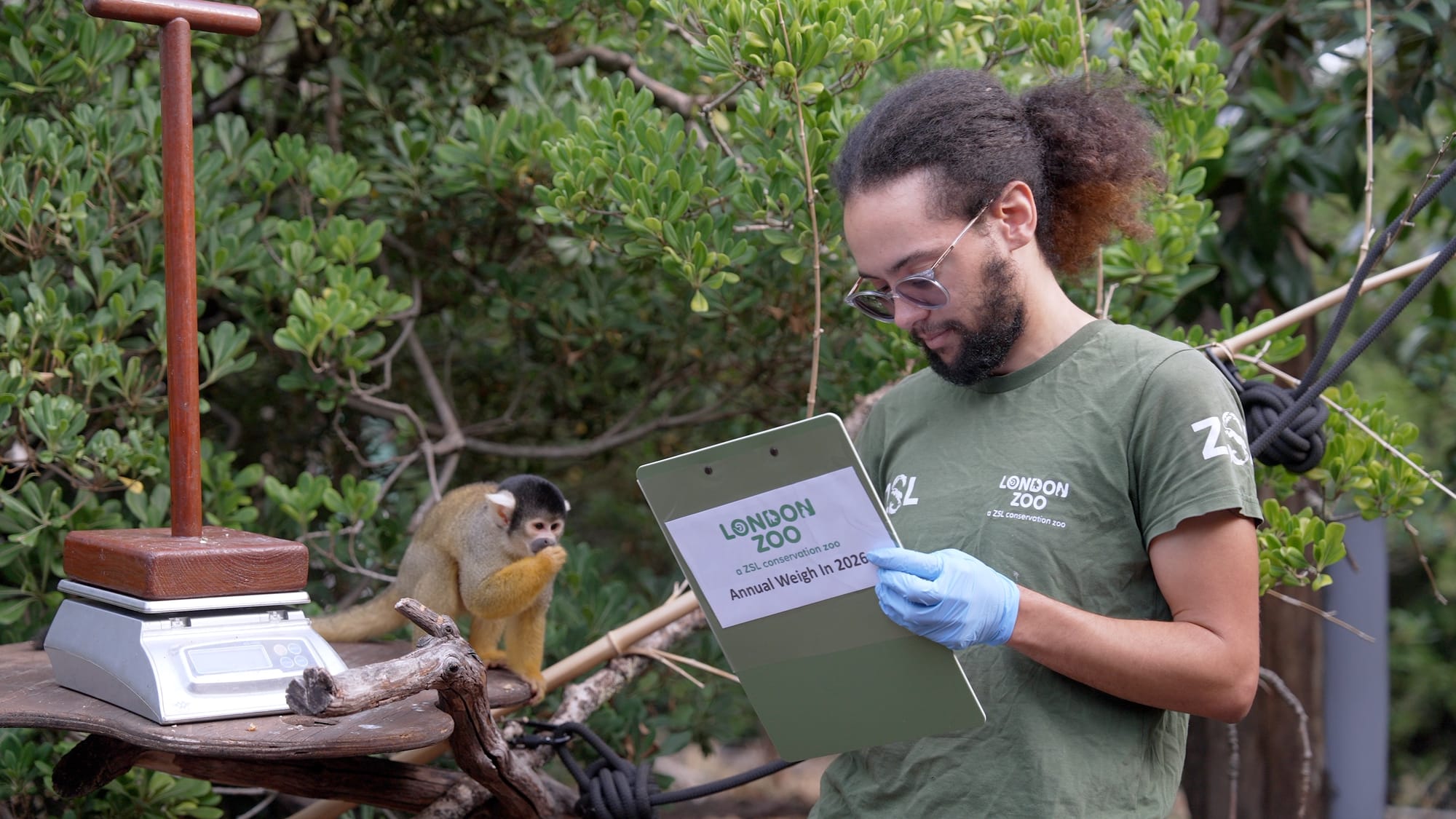
Animals across the Zoo took part in the yearly health check on Monday 24 August, with keepers carefully weighing and measuring them as part of their ongoing care.
The figures are more than just interesting numbers.
Regular measurements help London Zoo’s animal care and veterinary teams keep a close eye on each animal’s health and development, while changes in weight can also provide important clues about pregnancy or other health issues.
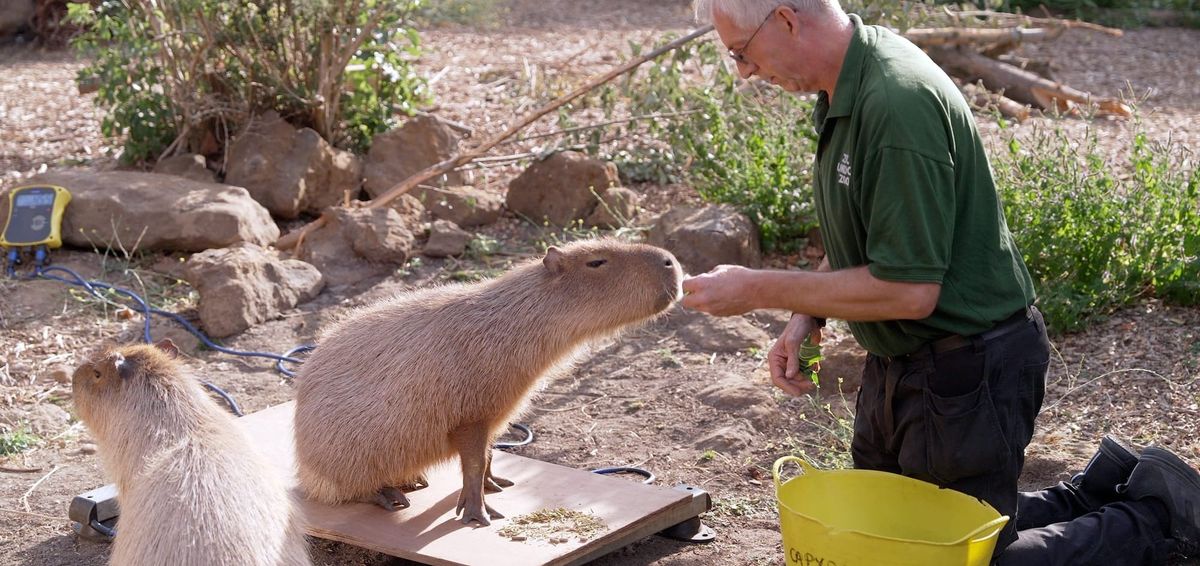
This year, capybara siblings Kiwi and Gizmo were among those stepping onto the scales. Kiwi weighed 45kg, while her brother Gizmo was a slightly heavier 50.5kg.
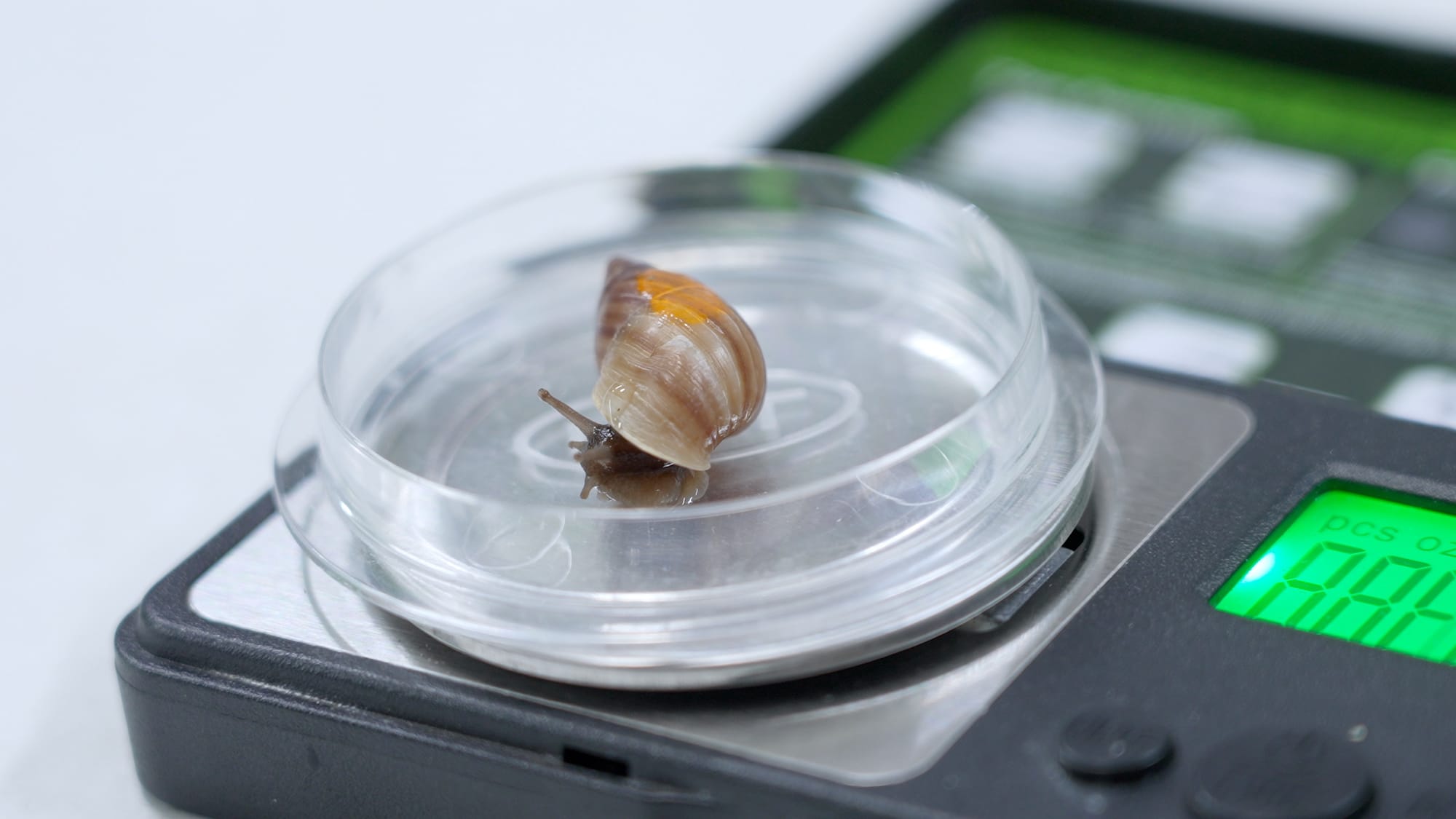
At the other end of the scale was Giant Magnolia Land Snail No. 2, weighing in at a modest 102.5g.
Some of London Zoo’s smallest residents, the tiny Partula snails, weigh less than a single gram.
Getting animals to cooperate with a trip to the scales might sound like a challenge, but London Zoo’s keepers have developed clever training techniques that encourage animals to take part willingly.
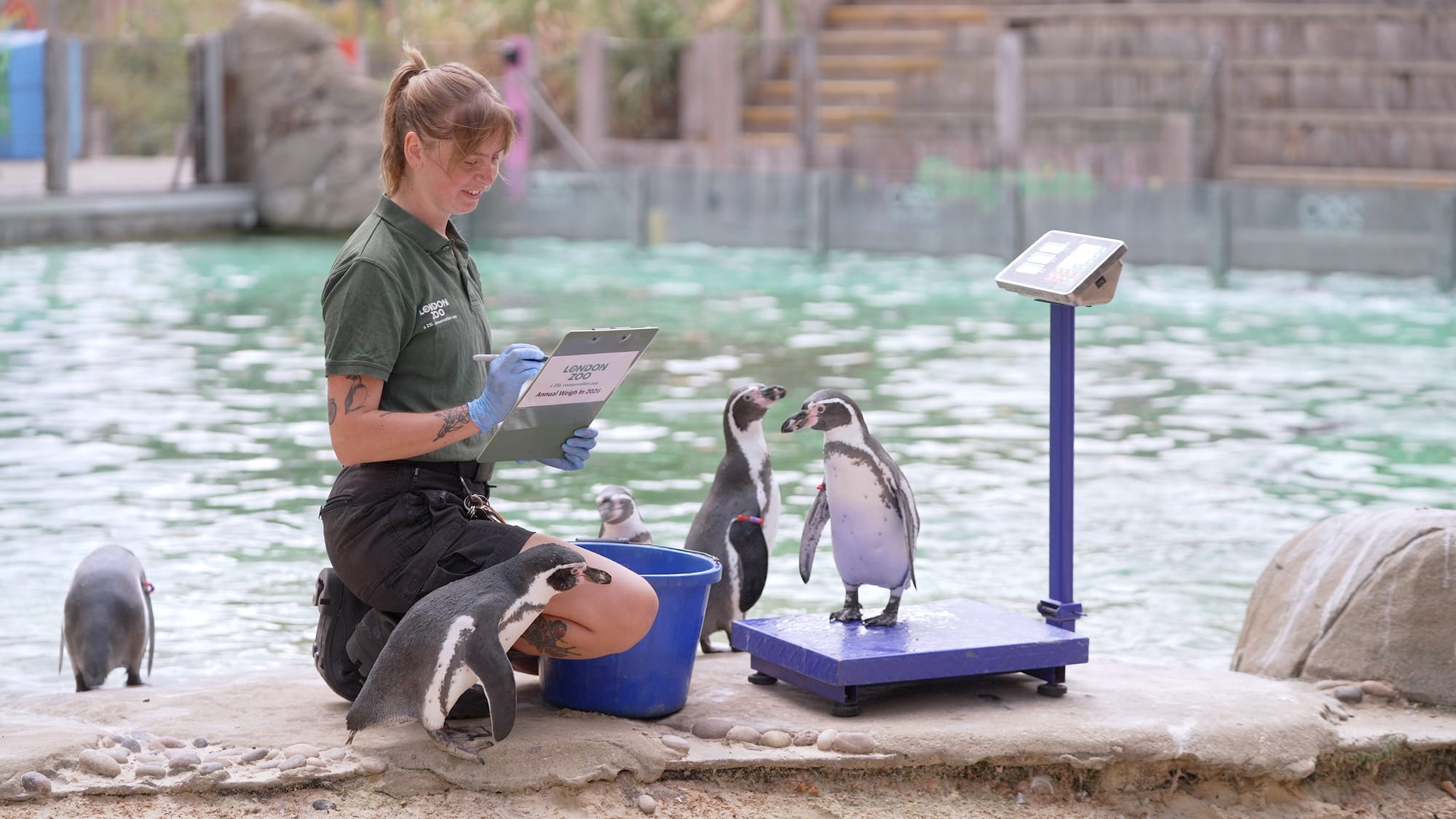
Scales can be built into doorways, while birds can be trained to hop onto special perch scales. The same approach means animals can learn to cooperate with other aspects of their healthcare, including vaccinations and pregnancy ultrasounds.
DON'T MISS:
 Good News Post
The measurements are recorded in the Zoological Information Management System (ZIMS), part of Species360, a worldwide database used by animal carers and conservationists to share information and monitor species.
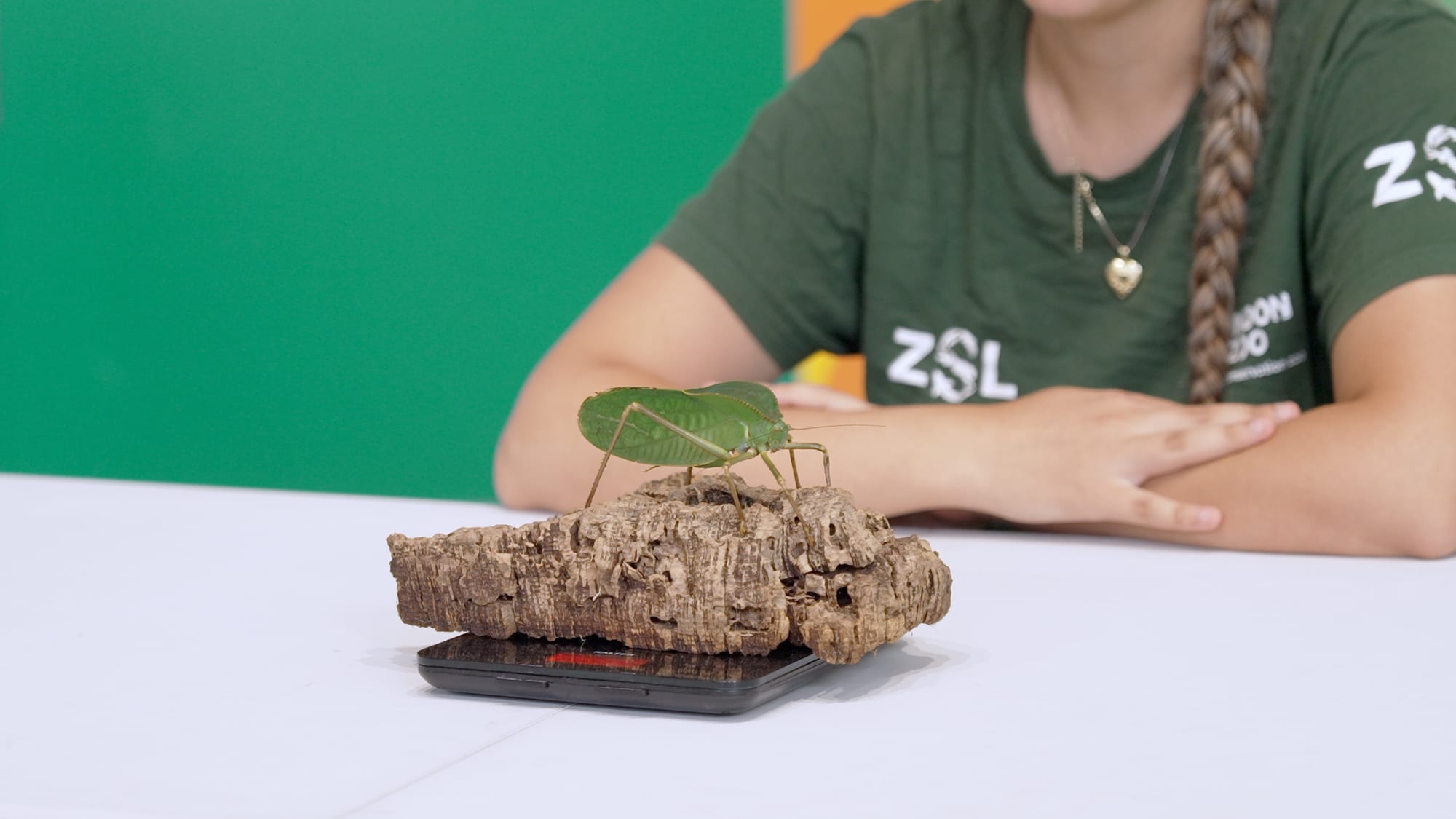
“Regular weigh-ins help zookeepers track the health of our animals, including invertebrates like the magnolia land snails, the capybaras and Humboldt penguins,” said London Zoo’s Animal Operations Manager Daniel Simmonds.
“They genuinely help us manage the care of these animals, who play a vital role in our global conservation efforts.”
The weigh-in is also a reminder of the extraordinary range of wildlife living at London Zoo, from Sumatran tigers and capybaras to some of the world’s tiniest snails.
That commitment to animal health has a long history at the Zoo.
ZSL employed the world’s first zoo vet in 1829 and went on to build Europe’s first purpose-built zoo veterinary hospital 70 years ago.
Now, that veterinary tradition is set to enter a new chapter with a planned wildlife health centre at London Zoo.
The centre will include the UK’s first public viewing gallery in a veterinary hospital, giving visitors the chance to see the work that goes into caring for wildlife, from penguin health checks to porpoise post-mortems.
It will also support ZSL’s research into wildlife health and the threats facing animals around the world.
As this year’s weigh-in shows, sometimes a simple number on a set of scales can tell keepers a great deal about the animals in their care – whether they weigh 50kg or less than a gram.