
Brainy Bandits! Raccoons Solve Puzzles Just for Fun, Scientists Discover

By Animals Correspondent
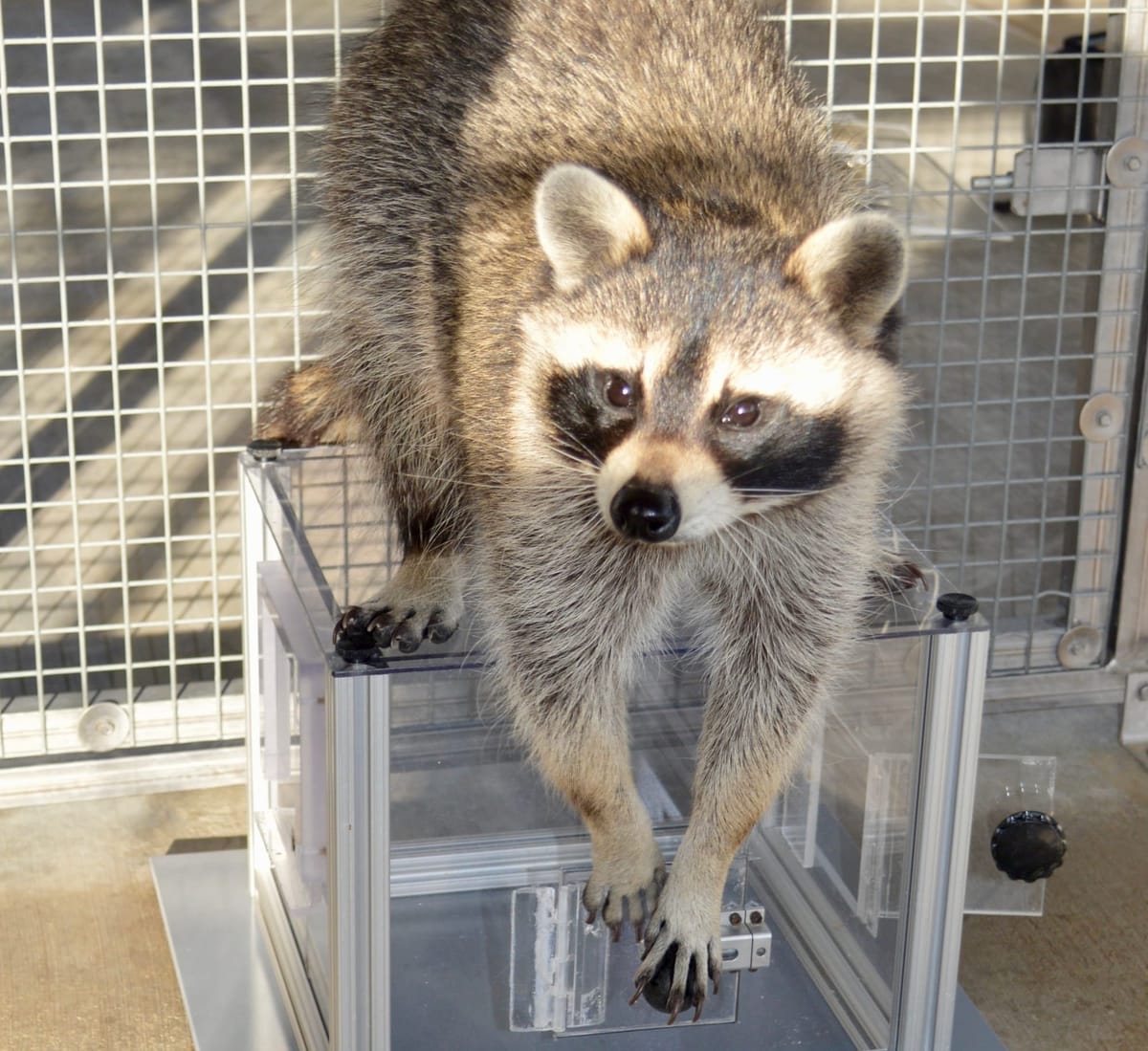
They’re famous for raiding bins and fiddling with locks — but raccoons might actually be doing it because they’re curious, not just hungry.
A new study from the University of British Columbia suggests the masked mammals enjoy solving problems even when there’s no food involved.
Researchers found raccoons continued cracking open puzzle boxes long after the only snack inside had already been eaten.
Cracking the Box… Even After the Snack Was Gone
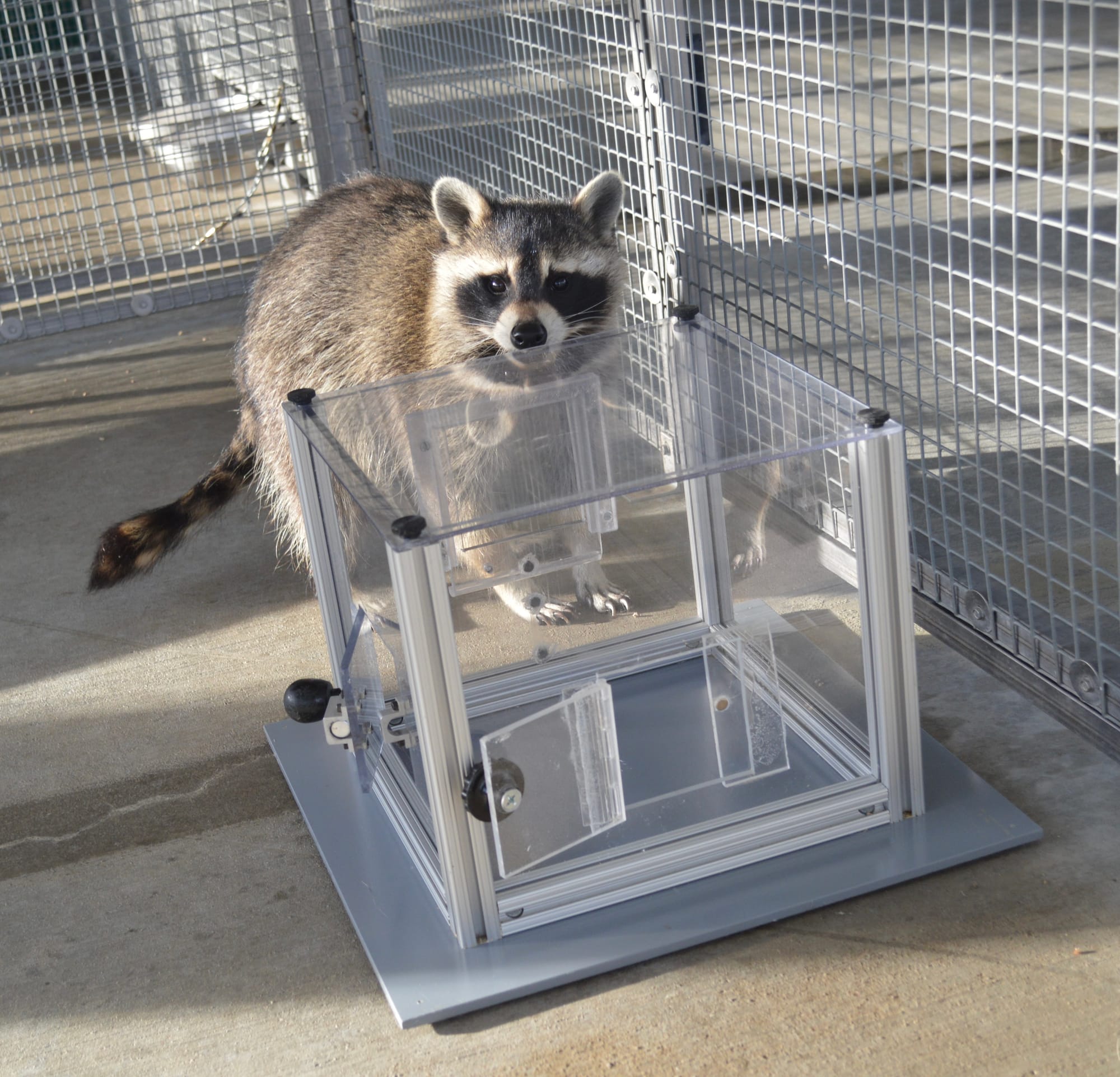
Scientists set up a special puzzle box with nine different ways to get inside, including sliding doors, knobs and latches.
Each test session lasted 20 minutes, and the reward was simple — a single marshmallow.
But once the raccoons grabbed the treat, they didn’t stop.
Instead, many carried on opening other parts of the puzzle box, even though there was no extra food waiting for them.
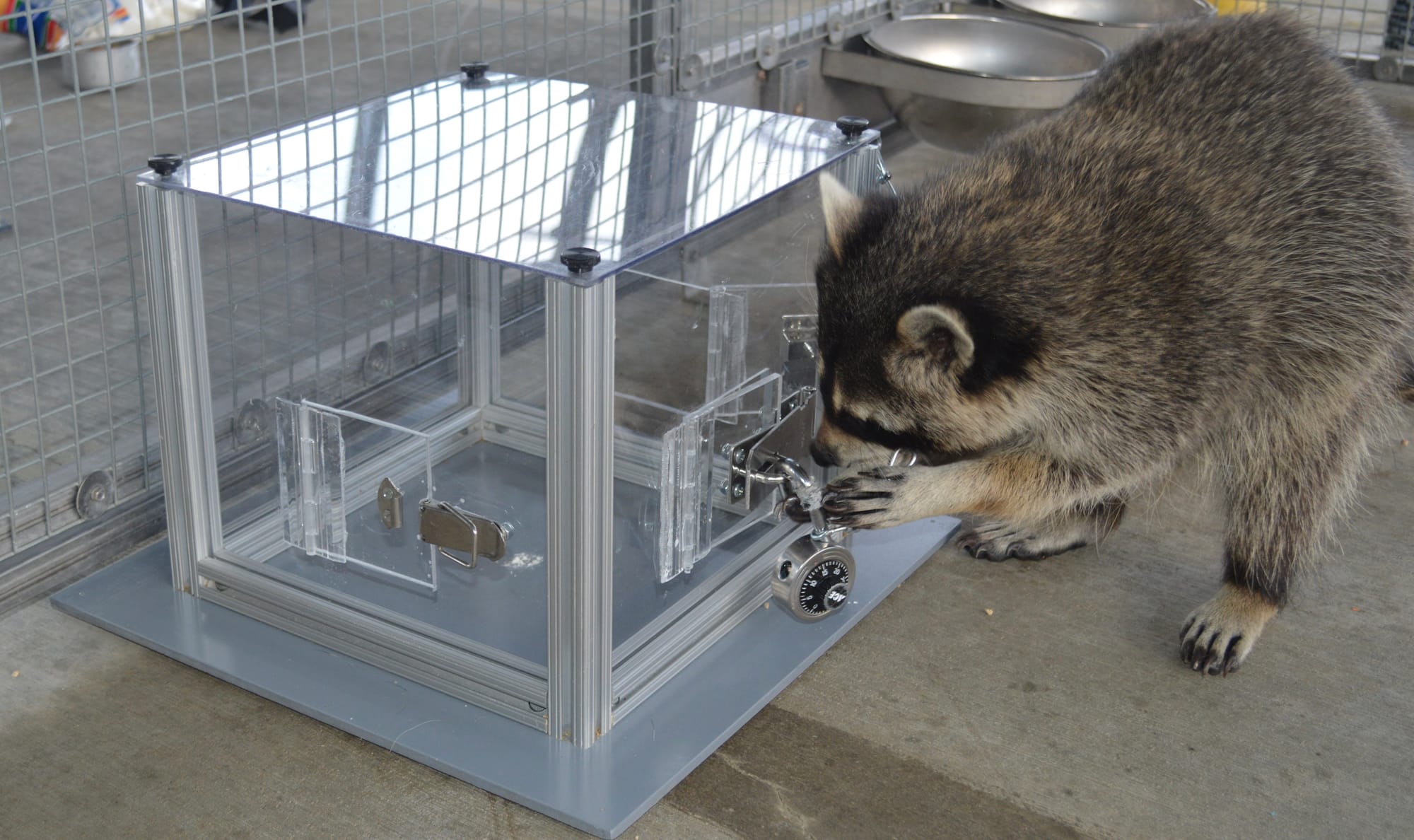
Researchers say this shows the animals were likely driven by curiosity rather than hunger.
Study author Hannah Griebling said the team didn’t expect raccoons to keep going once the reward was gone.
“We were surprised to see them continue solving different parts of the puzzle even though there was nothing left inside.”
Curious Creatures… But Cautious Too
The study also revealed raccoons change their strategy depending on difficulty.
When puzzles were easy, they explored freely and tried several different ways to get inside.
But when the puzzles became trickier, they tended to rely on one method they knew worked, rather than experimenting too much.
Scientists say this behaviour mirrors decision-making seen in humans.
For example, when ordering food at a restaurant, people may stick with their favourite meal if trying something new feels risky.
Why Raccoons Thrive in Cities
The findings may also explain why raccoons do so well in urban areas.
Their sensitive paws, originally evolved to search for food in streams, are perfect for opening lids, turning handles and working latches.
Combined with their curiosity and problem-solving skills, it makes them incredibly good at navigating human environments.
Cities with parks, waterways and plenty of food waste provide the perfect playground for these clever animals.
Smarter Than We Thought
Although the study used raccoons living at a research facility in Colorado, scientists believe wild raccoons likely show similar behaviour.
Experts say research like this helps explain why the animals have gained such a reputation for being smart and resourceful.
And it might also help wildlife experts understand how animals adapt to city life.
One thing’s for sure — the next time a raccoon opens your bin, it might not just be after leftovers.
It could simply be curious to see what’s inside.
Click here to read the study https://www.sciencedirect.com/science/article/pii/S000334722600028X?via%3Dihub
Featured Researcher
PhD student, Faculty of Forestry and Environmental Stewardship
Featured Researcher
Associate Professor, Dept. of Forest and Conservation Sciences, Dept. of Zoology