Bristol students explore new ways to improve cardiac arrest survival in Weston

By Health Correspondent
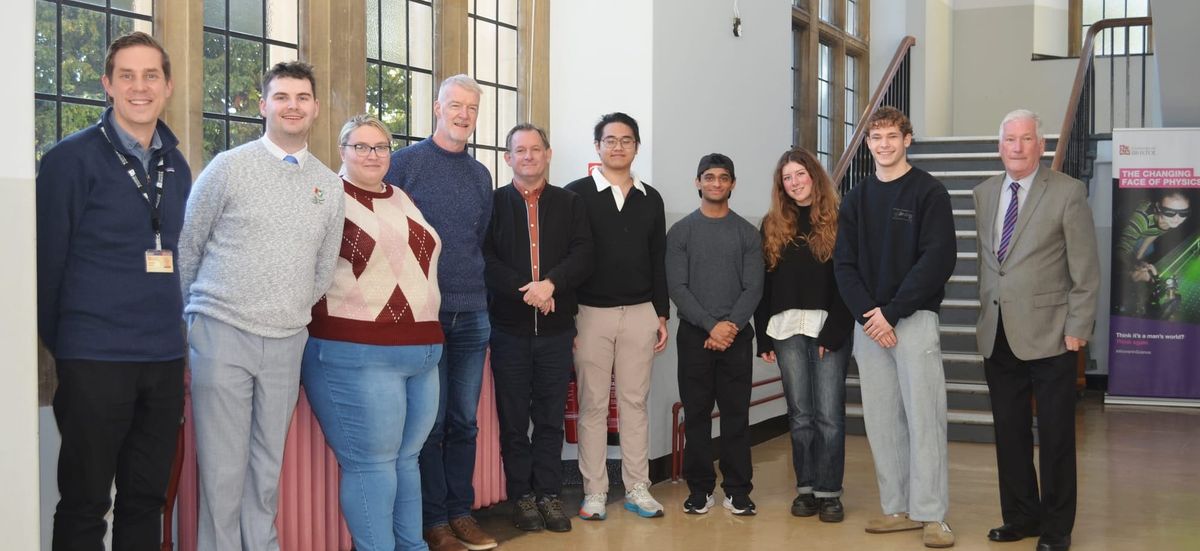
Five Biomedical Science students from the University of Bristol have presented their ideas for improving cardiac arrest survival, including plans for a new tool to help people locate life-saving defibrillators across Weston-super-Mare and the surrounding area.
The students met with members of the Cardiac Arrest Survival Research Programme last Friday, alongside their supporting lecturers, Dr Stephen Harmer, Dr Richard Heyler and Dr Andrew James.
During the meeting, the students outlined their research and ideas for the future, building on work carried out by last year's student group.
One of the main proposals is an interactive mapping tool bringing together information about the location and accessibility of community defibrillators.
The aim is to make it easier for people to identify where these potentially life-saving devices can be found.
The team hopes to explore the development of the resource with potential support from the British Heart Foundation, alongside information gathered from existing local defibrillator projects.
Although still at an early stage, the project could help improve awareness of defibrillator availability across Weston and neighbouring communities.
The meeting also provided an opportunity to discuss several other developments for the programme, including plans for a new interactive website where research, project updates and information could be shared.
RELATED:
 Good News Post
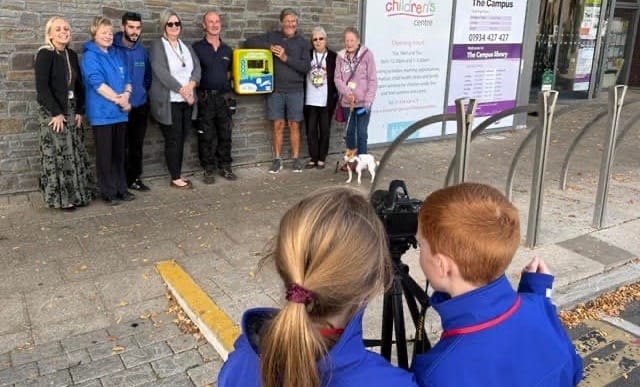
There are also hopes to strengthen links with clinicians at Bristol Heart Institute, while increasing the programme's presence on social media to raise awareness of cardiac arrest research and the importance of CPR and defibrillation.
A film documenting the students' work and their involvement in the programme is also being considered, along with the introduction of branded clothing to help create a stronger identity for the group at future events and presentations.
Another important part of the plans is student training.
Opportunities are being explored for all participating students to complete the Basic Life Support Instructor (BLSi) course through Resuscitation Council UK, giving them additional skills and the opportunity to support resuscitation education.
The Cardiac Arrest Survival Research Programme brings together university students, researchers, clinical professionals and community organisations, with the aim of turning academic research into practical improvements in cardiac arrest awareness and survival.
Programme representatives praised the five students for their preparation, enthusiasm and the confidence they showed when presenting their ideas.
Their work highlights how university research can help address real challenges in local communities, particularly when it comes to improving access to emergency equipment and helping more people understand how to respond to a cardiac arrest.
The programme team thanked the students and their lecturers for their contribution and said they were looking forward to seeing the projects develop over the coming months.