Seven people. One home. One family. Is this ‘Blue Zone’ model the future of social care?

Could Devon’s ‘Blue Zone’ communities offer a new approach to ageing — tackling loneliness while easing pressure on health and social care?
A 15-year Devon model where up to seven older people live together as one family could offer a new approach to Britain’s adult social care crisis.
Devon Care and Living has created small bungalow communities where residents have their own space and independence but share everyday life — eating together, cooking, gardening, celebrating birthdays, getting outside and looking out for one another.
Over time, they don’t just live together — they become a family.
The model has striking similarities to principles associated with the world’s so-called Blue Zones — communities around the world associated with longevity and healthy ageing — including movement, purpose, friendship, healthy food, nature, strong relationships and belonging.
Devon Care and Living has spent 15 years putting many of these principles into practice — not as a theory, but as a way of life.
Manager Marie Davis believes the model could tackle loneliness, preserve independence and ease pressure on the NHS and social care by offering a more affordable, community-based alternative to traditional care homes.
“This model of living is really, really simple,” she said. “Just like the Blue Zone communities of the world, we keep people moving, connected and with purpose.
“People move from their own homes into a small, homely environment. They have their own space, but they are not on their own.”
With just six or seven residents in each home, people share meals and everyday life while retaining their independence. They are encouraged to cook, clean, garden and take part in activities if they wish.
The approach also focuses on reablement — helping people retain or rebuild skills and confidence rather than doing everything for them.
Marie believes the small, familiar environment can reduce loneliness and anxiety, help people settle into care and potentially reduce hospital visits.
With residents’ benefits and allowances potentially combined with social care funding, she says the model can also cost local authorities significantly less than traditional care placements.
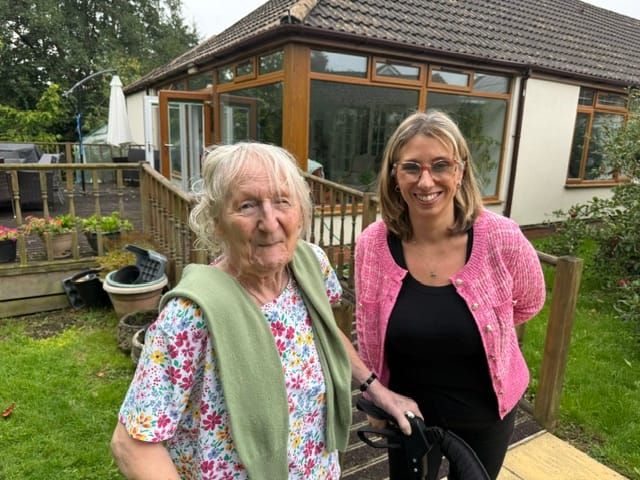
For 82-year-old Margaret, the difference is life-changing.
“I have my own space, but I’m not alone. We eat together, talk together — it feels like we look out for each other. I’m happier and more confident.“
Her daughter Mary said: “It feels like a real home, not a facility. The seven residents have become like a family. That sense of belonging has transformed my mum’s life.”
And 97-year-old Jean still rides her exercise bike every day — which she brought with her when she moved in.
“I went home for one day but missed everyone and everything, so came straight back,” she said.
“Marie added: “This could transform adult social care across the country. I’d love to show the Prime Minister how it works — and introduce him to the residents who are proving it can work.”
For more information, visit www.devoncareandliving.co.uk or follow Devon Care and Living on Facebook.