Rare white-clawed crayfish given lifeline in major conservation effort

By Animals Correspondent
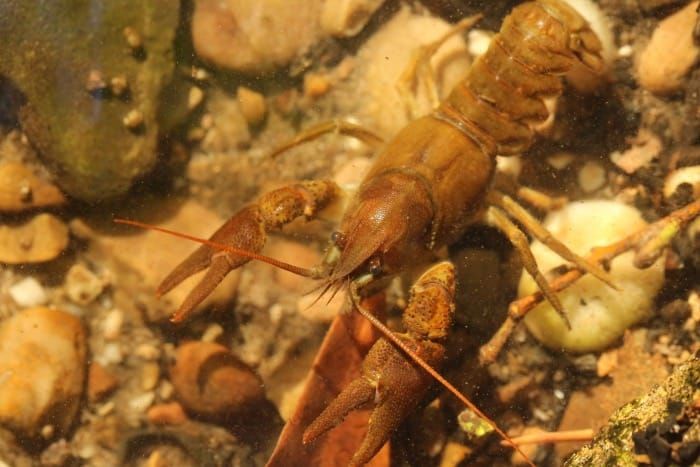
One of England’s rarest freshwater species is being given a new lifeline as conservation groups join forces to bring back the white-clawed crayfish.
Around 40 organisations are taking part in a new national recovery programme led by The Wildlife Trusts, bringing together conservation groups, researchers and environmental agencies.
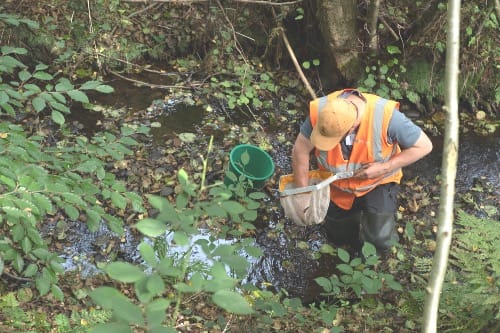
Staffordshire Wildlife Trust will play a key role in the project, acting as the main point of contact for the Midlands and supporting partners with advice and guidance.
The UK’s only native freshwater crayfish has suffered major declines because of habitat loss, pollution and the spread of invasive American signal crayfish. Signal crayfish can carry crayfish plague, a disease which is fatal to the native species.
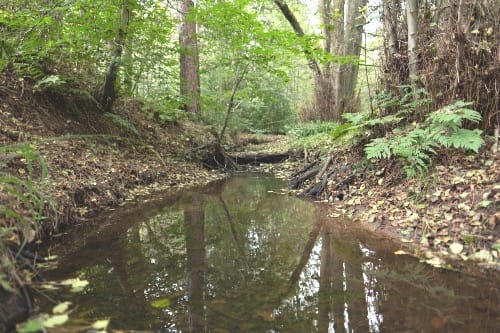
White-clawed crayfish are an important part of healthy river systems.
They recycle dead material and help improve water quality, while providing food for animals including otters, herons and eels. Young crayfish are also eaten by brown trout and salmon.
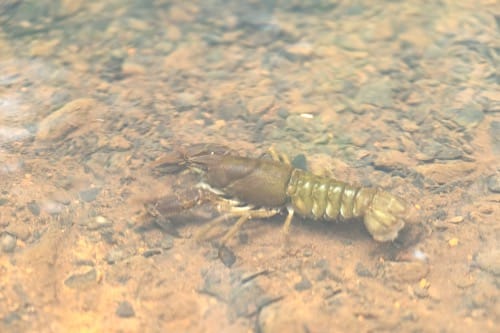
Nick Mott, Species Recovery Manager at Staffordshire Wildlife Trust, said: “This is an exciting step in securing a future for white-clawed crayfish.”
 Good News Post
He said the Trust had spent more than 25 years working with landowners and partners to help bring the species “back from the brink of extinction”.
“Our collective knowledge and expertise will be helpful as we play a lead role in this new joined-up effort,” he said.
Over the next three years, the project will monitor surviving populations and assess threats and opportunities to decide where action could have the greatest impact.
The work will include breeding, rearing and releasing young crayfish, while a new mapping tool will help identify safe havens where the species can be protected from invasive species and disease.
The programme will also support research into crayfish genetics, disease resistance and pathogens, with genetic material frozen to provide a safeguard for the future.
The project is supported by funding from Natural England’s Species Recovery Programme, alongside contributions from project partners.