Seven Endangered Cheetah Cubs Born at Whipsnade Zoo

By Animals Correspondent
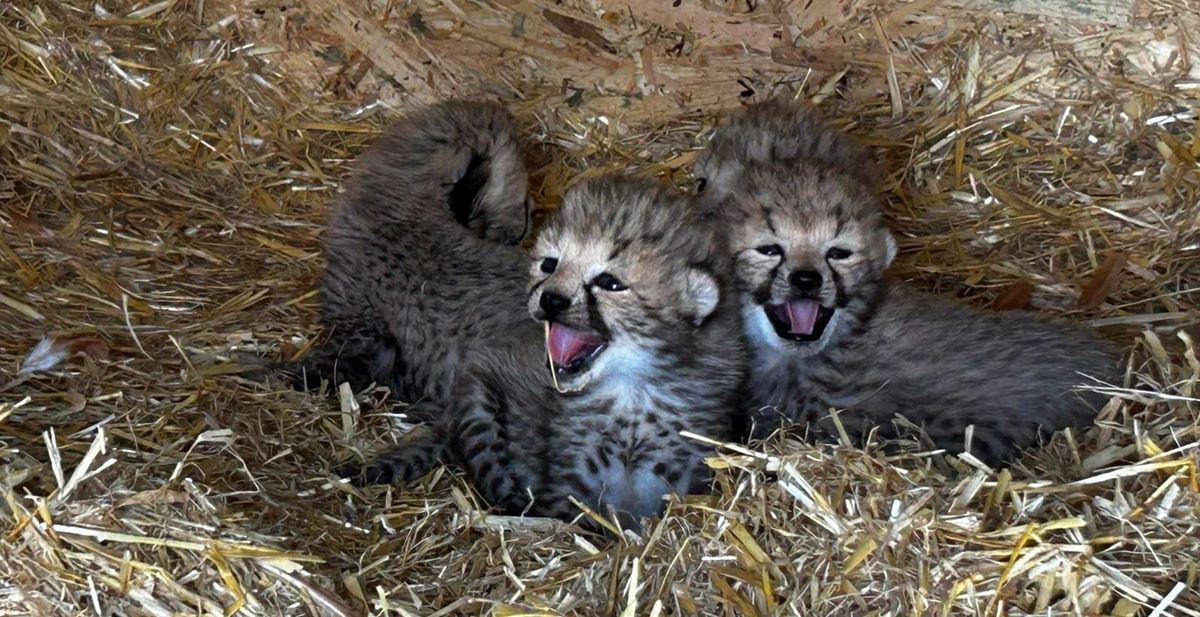
Seven endangered cheetah cubs have been born at Whipsnade Zoo in a significant boost for efforts to protect one of the world's rarest big cats.
The cubs were born to five-year-old sisters Amira and Zara, members of the endangered northern cheetah subspecies. Amira gave birth to four cubs on May 18, with Zara delivering three more just five days later.
The births are the first cheetah cubs at the Bedfordshire zoo in 15 years.
Sarah McGregor, section manager of the predators team at Whipsnade Zoo, said staff were "absolutely delighted" with the arrivals.
"We're absolutely delighted to have seven healthy cheetah cubs at the Zoo," she said. "Amira and Zara have taken to motherhood wonderfully, and we've seen them nuzzling, cleaning and feeding their cubs diligently."
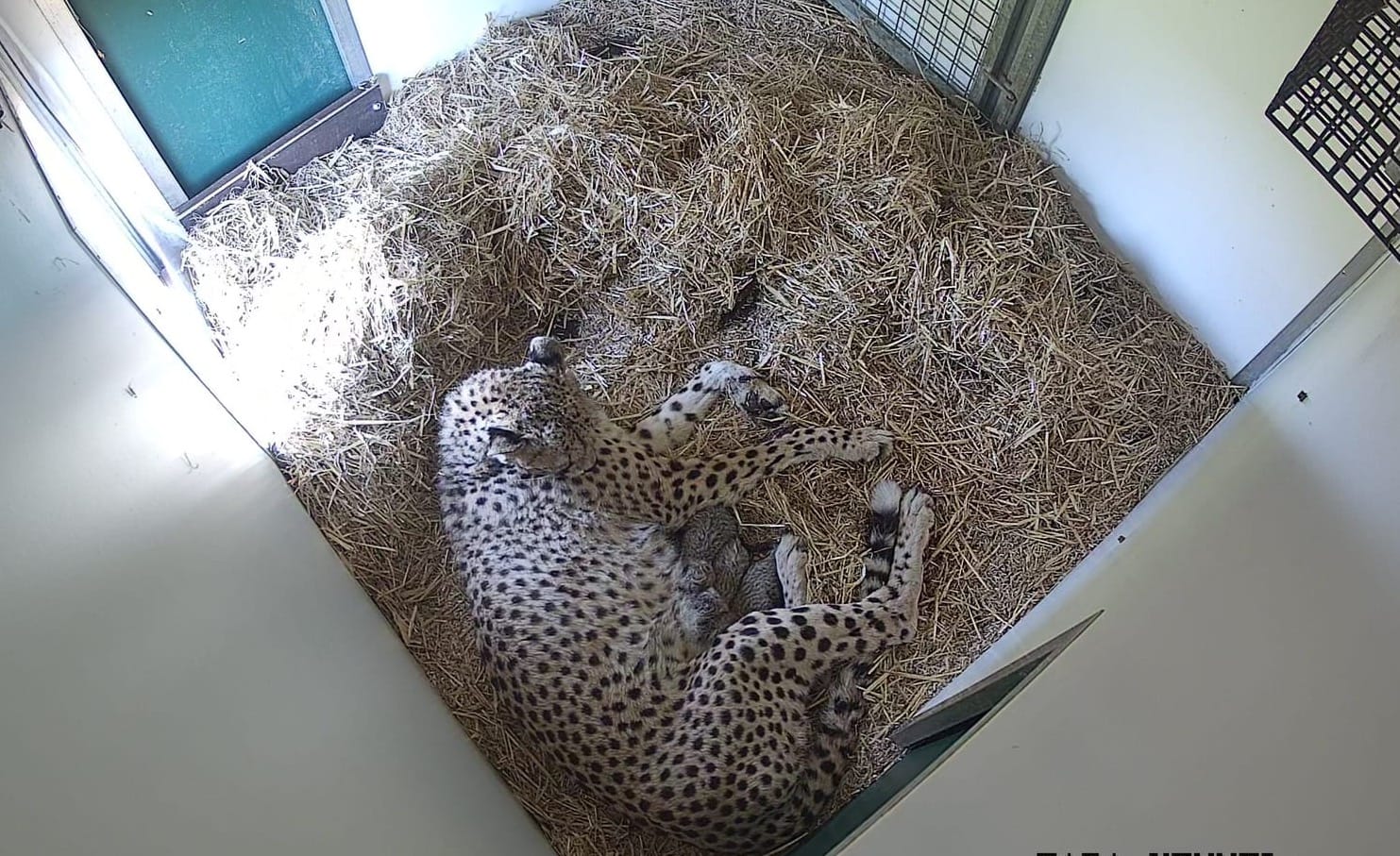
The sisters arrived at the zoo late last year as part of an international conservation breeding programme for northern cheetahs, a subspecies with fewer than 600 individuals thought to remain in the wild.
RELATED:
 Good News Post
The births come in the same year that the Zoological Society of London (ZSL), which runs Whipsnade Zoo, marks its 200th anniversary.
"It’s been 15 years since cheetah cubs were last born at Whipsnade, so these seven new additions are really something special," said Sarah. "They’re not only important for the conservation breeding programme, but represent a continuation of a long history of successfully breeding cheetahs at Whipsnade Zoo."
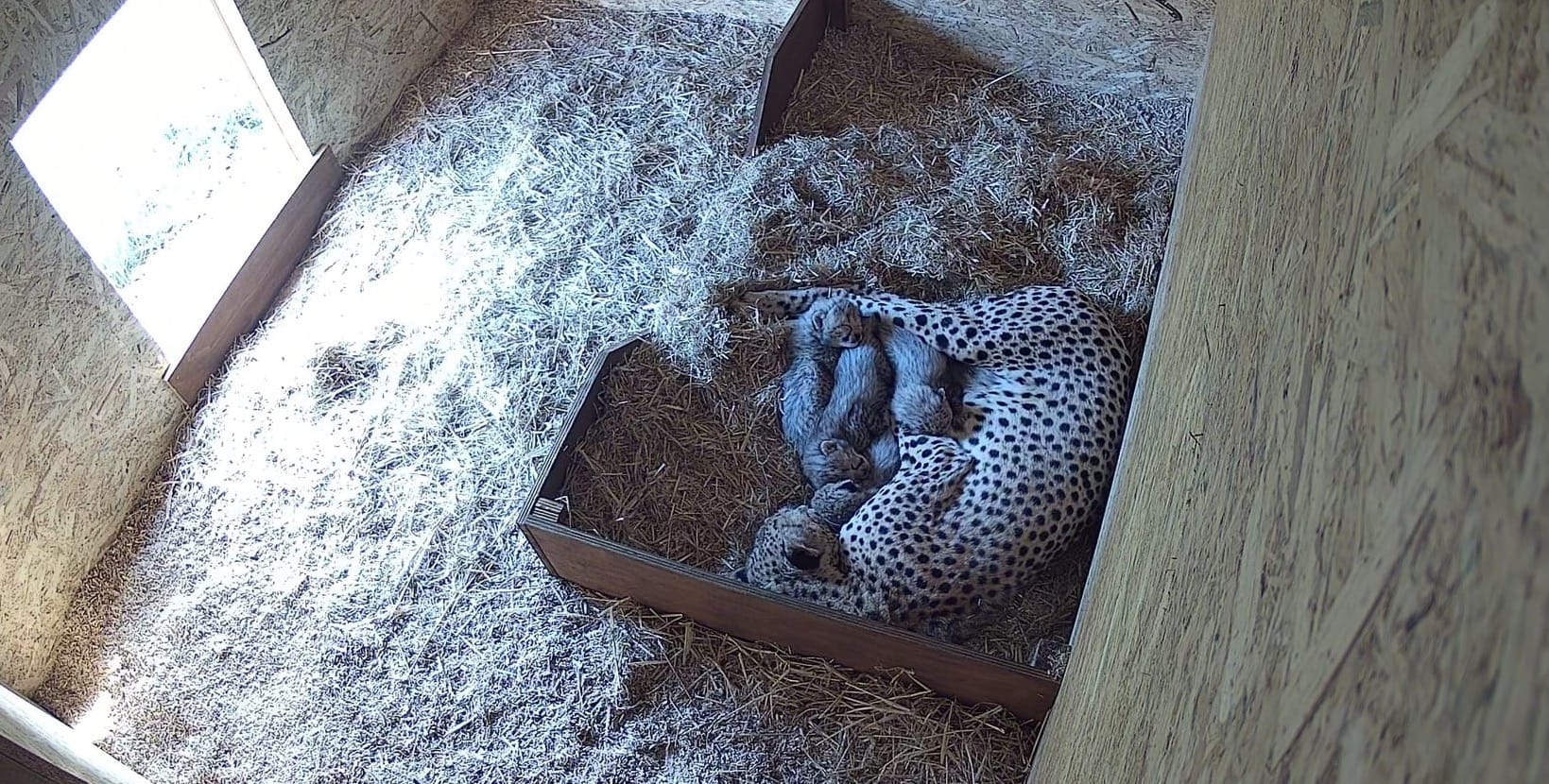
Whipsnade made history in 1967 when it became the first zoo in the world to successfully breed and rear cheetahs. More than 100 cubs have since been born at the site.
Globally, cheetah numbers have declined dramatically due to habitat loss, the illegal wildlife trade and conflict with humans. Conservationists estimate there are around 7,000 cheetahs left in the wild, with northern cheetahs among the most threatened.
The cubs are currently being monitored remotely by zoo staff and have not yet been named. Keepers will determine their sex during their first health check at around eight weeks old.
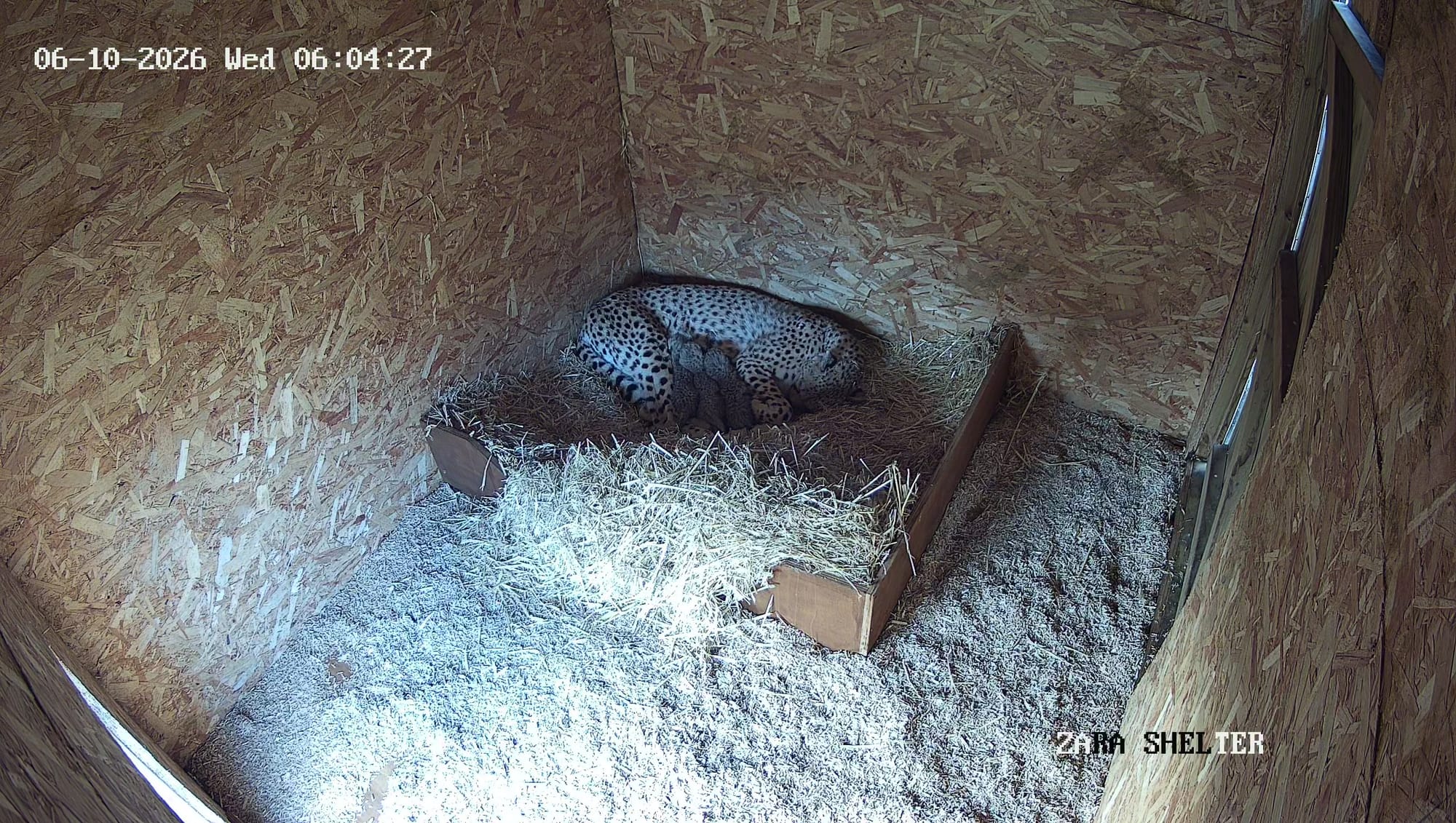
While visitors will have to wait before seeing the youngsters in person, the zoo says updates and CCTV footage will be shared as they continue to grow.