UK Crane Comeback Hits Record High After Landmark Breeding Year

By Conservation Correspondent
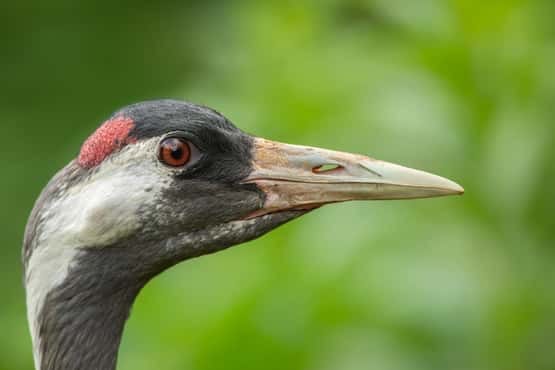
The UK’s tallest bird, the crane, is making a remarkable comeback after a record-breaking breeding season in 2025, offering renewed optimism for wildlife recovery.
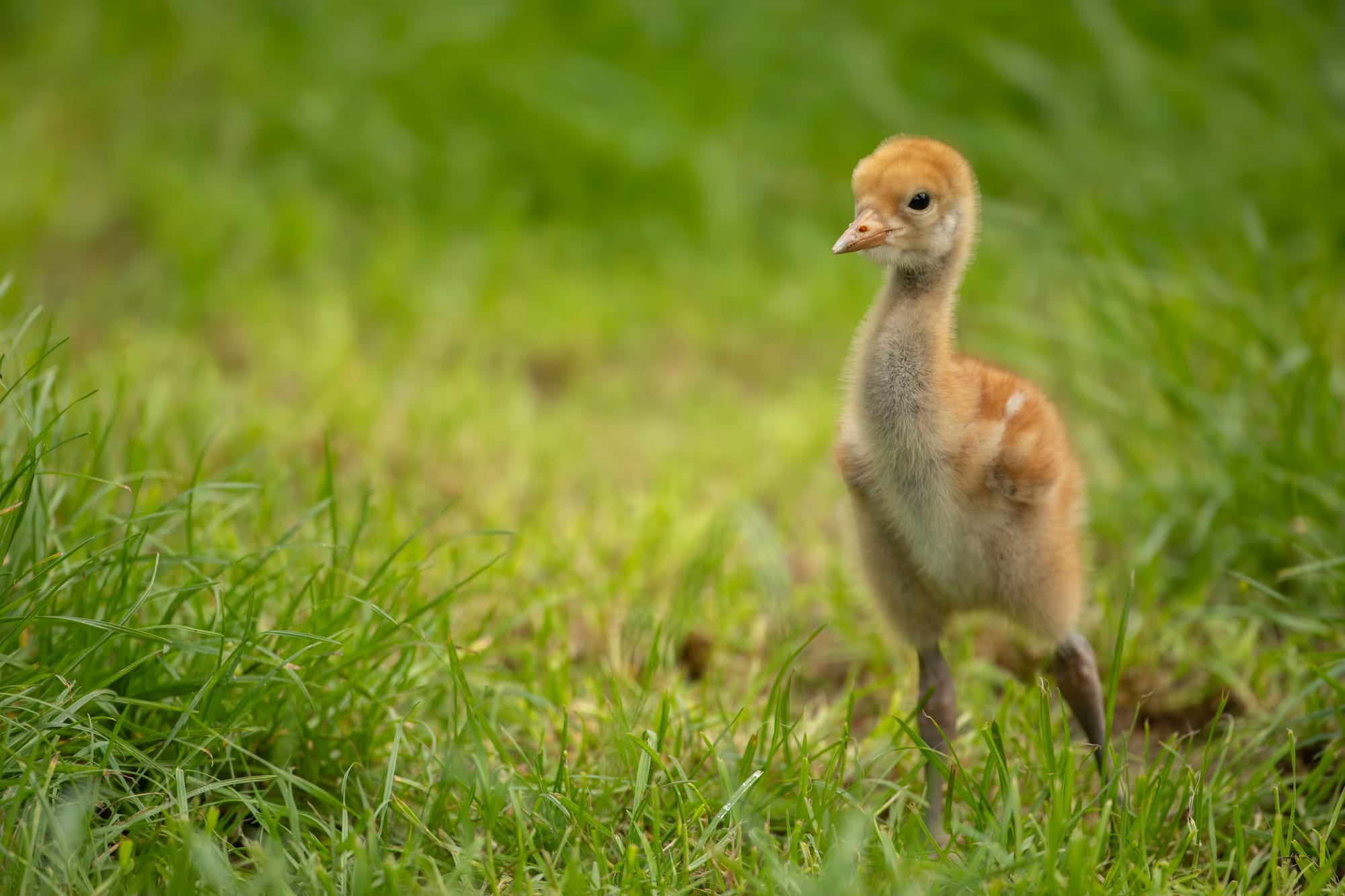
New surveys show that 87 breeding pairs successfully raised 37 chicks last year—the highest figures recorded in the UK.
This brings the total crane population to around 250 birds, a milestone that highlights the impact of long-term conservation efforts.
Once widespread across Britain, cranes disappeared in the 1600s due to hunting and widespread loss of wetlands.
Historical accounts suggest their decline was dramatic—at a royal feast in 1251, as many as 115 cranes were served. Their return began in 1979, when a small number naturally migrated from mainland Europe to Norfolk.
Today, habitat restoration and protection have been central to their recovery.
Wetland conservation, led by landowners and environmental groups, has helped create safe breeding grounds. Around 80% of cranes now nest on protected land, with a significant portion found on reserves managed by the Royal Society for the Protection of Birds.
Andrew Stanbury, a conservation scientist, reflected on the species’ return:
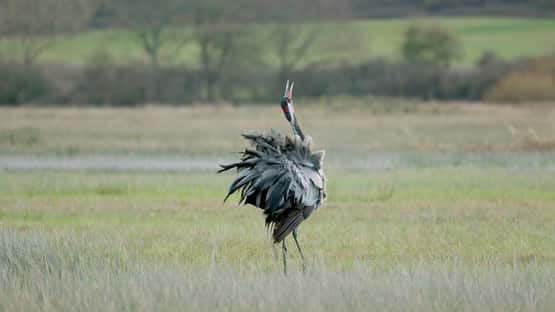
“Cranes are iconic birds, but for hundreds of years their incredible mating ‘dances’ and unmistakable bugling calls were lost to us in the UK. I feel so lucky to live in a time where they are bouncing back.”
He added that seeing large flocks today would have once been unimaginable:
“You can now see a flock of over a hundred cranes in the Fens in the winter… something that would have been unthinkable even 20 years ago.”
Scotland has also seen encouraging progress, with at least 10 breeding pairs producing nine chicks last year—an increase from previous seasons.
A major boost came from the Great Crane Project, a collaboration between conservation groups that reintroduced cranes to the Somerset Levels between 2009 and 2014. The initiative involved hand-rearing and releasing birds while working with local communities to restore suitable habitats.
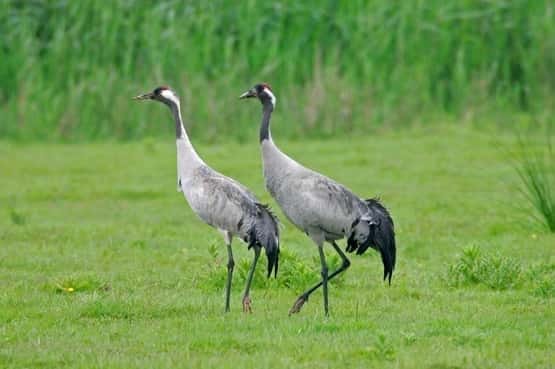
Cranes are also known for their elaborate courtship displays, featuring bows, jumps, and synchronized movements—an iconic symbol of their return to UK wetlands.
Martin McGill, a reserve manager at the Wildfowl and Wetlands Trust, highlighted both success and ongoing risks:
“Cranes are incredible birds that spark excitement… However, despite their record breeding year, the crane remains vulnerable.”
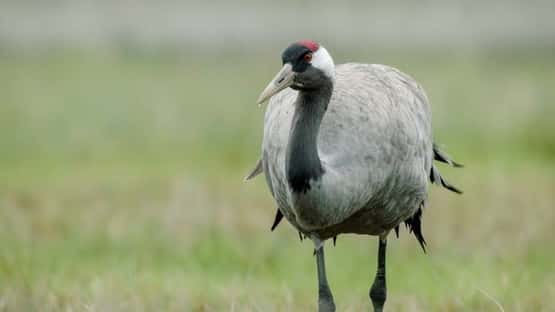
He warned that climate change continues to threaten wetland habitats:
“It’s more important than ever to… protect and restore bigger, more connected wetlands, so this iconic bird can thrive long into the future.”
Experts emphasize that while progress is significant, the population is still relatively small.
Damon Bridge of the UK Crane Working Group said:
“With the number of breeding pairs here still well below 100 they are vulnerable, but the collective conservation efforts… will help cranes to thrive into the future.”
 Good News Post
Local conservationists have also seen the impact firsthand. John Oliver of the Lincolnshire Wildlife Trust described the recovery as a major achievement:
“The recovery of cranes in the UK is a real conservation success. It demonstrates the resilience of nature and what can be achieved by working together.”
He added that at Willow Tree Fen, crane numbers have steadily grown:
“We have watched, listened, and adapted our wetlands… creating unforgettable experiences.”
While challenges remain, the crane’s return is a powerful example of how coordinated conservation efforts can help restore species once lost from the landscape.