UK Scientists Send Microscopic Worms to Space in Health Study

By Science Correspondent
British scientists, including a team from Space Park Leicester, have launched microscopic worms to the International Space Station (ISS) in a groundbreaking experiment aimed at improving understanding of long-duration space travel.
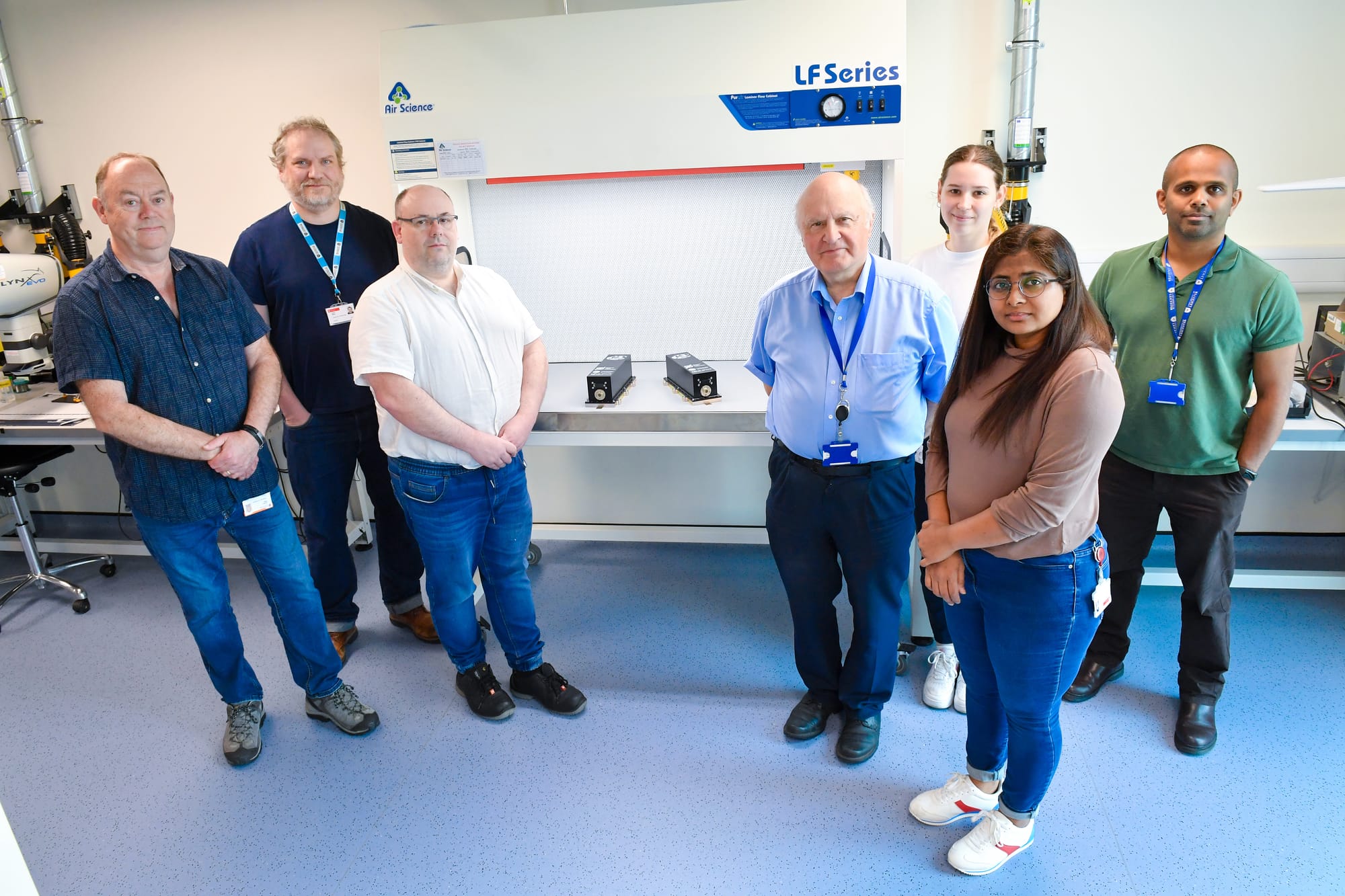
The project, led by the University of Exeter and built by the University of Leicester with funding from the UK Space Agency, is designed to examine how living organisms respond to the harsh conditions of space.
The mission follows growing momentum in lunar exploration, including NASA’s Artemis II programme, which sent astronauts on a journey around the Moon ahead of future missions to return humans to its surface.
The experiment was launched on 11 April from Kennedy Space Center in Florida and will be installed on the exterior of the ISS.
Scientists will remotely study tiny organisms known as C. elegans worms, widely used in research due to their biological similarities to humans.
Space travel presents major health risks, including muscle and bone loss, vision issues and exposure to harmful radiation.
This study aims to better understand those effects and support safer human missions in the future.
Space Minister Liz Lloyd said:
“It might sound surprising, but these tiny worms could play a big role in the future of human spaceflight… helping tackle one of the biggest challenges: protecting human health.
“As we prepare for a new era of exploration… research like this will help astronauts stay healthy and return home safely.”
Dr Tim Etheridge added:
“To do that safely, we need to understand how the body responds to the extreme conditions of deep space.
“By studying how these worms adapt, we can identify mechanisms that help protect astronauts… and bring us closer to humans living on the Moon.”
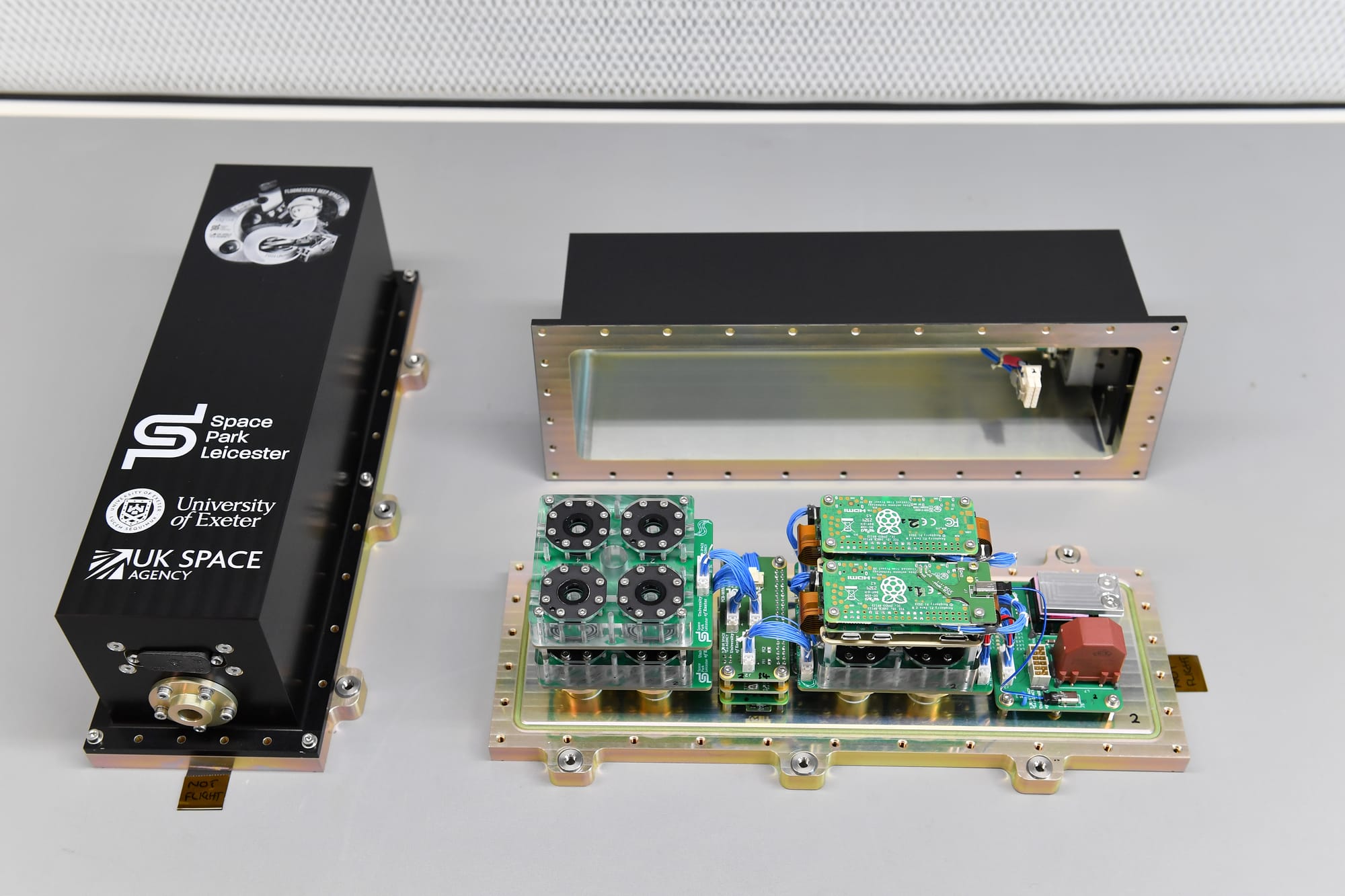
The compact experiment, known as the Petri Pod, contains multiple small chambers that simulate life-support conditions, allowing organisms to survive while exposed to space.
It will first operate inside the ISS before being moved outside, where it will face microgravity, radiation and vacuum conditions for up to 15 weeks.
Scientists will monitor the worms using imaging technology and sensors, with data sent back to Earth.
 Good News Post
Professor Mark Sims, project manager for the Fluorescent Deep Space Petri-Pods project at Leicester said:
“FDSPP is Leicester’s first major microgravity life sciences project, and it has been both an interesting and challenging instrument to design and build. The project builds upon previous work with Tim Etheridge and the University of Exeter.
“Having now delivered the experiment to Voyager Space Technologies, who provide the interface to NASA and its flight on the International Space Station, the project team at Leicester look forward to seeing the first images from orbit. We hope this will contribute to our understanding of the microgravity environment, and we’re excited about the potential to further develop the instrument concept in the future.”
Researchers believe the findings could help shape future missions to the Moon and beyond, while also demonstrating how complex biological experiments can be carried out in space at smaller scale and lower cost.