Virtual Reality Study Helps Improve Fire Evacuation Safety for Wheelchair Users

By Science Correspondent
Researchers are using virtual reality to find out how fire evacuations could be made safer for wheelchair users.
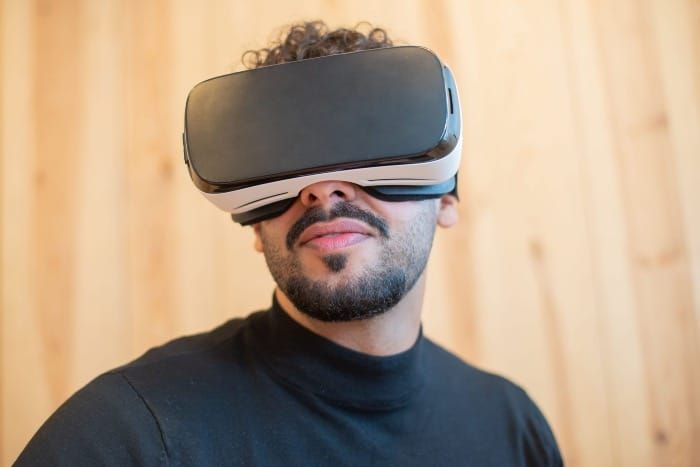
Wing Yiu Ma, who is studying for a Master's degree in Fire Engineering at Te Whare Wānanga o Waitaha | University of Canterbury, has recruited 16 wheelchair users to test different evacuation scenarios inside a virtual multi-storey building.
The VR programme, which Ma helped develop, includes features such as fire alarms, evacuation signs and refuge areas to recreate an emergency as realistically as possible.
Participants were first shown different evacuation layouts before being asked what worked well and what could be improved.
DON'T MISS:
 Good News Post
Researchers then changed the designs using that feedback, adding clearer signage, improved fire action notices and an intercom system so people waiting to be evacuated could receive updates.
"The message that came through quite strongly is that people in wheelchairs want someone to tell them what's happening," Ma said. "They want to know someone knows they're in the building and that help is coming."
A second round of testing found the changes were well received, while a final stage of the project is now being carried out with a new group of participants.
Professor Daniel Nilsson, who is supervising the research alongside Amy Harpur from Fire and Emergency New Zealand, said involving wheelchair users in the design process was essential.
"We don't fully understand the challenges they face unless we ask them in a realistic setting," he said. "Without that feedback, there's a risk of introducing design mistakes that could affect people's safety."
Ma said some participants had spoken about being left out of fire drills because people felt it was too difficult to help them.
She hopes the research will help improve the way buildings are designed and how people with mobility impairments are supported during emergencies.