
What Bali taught me about the power of community

By Ethan Cooke, 18, Travel Correspondent
Bali, Indonesia
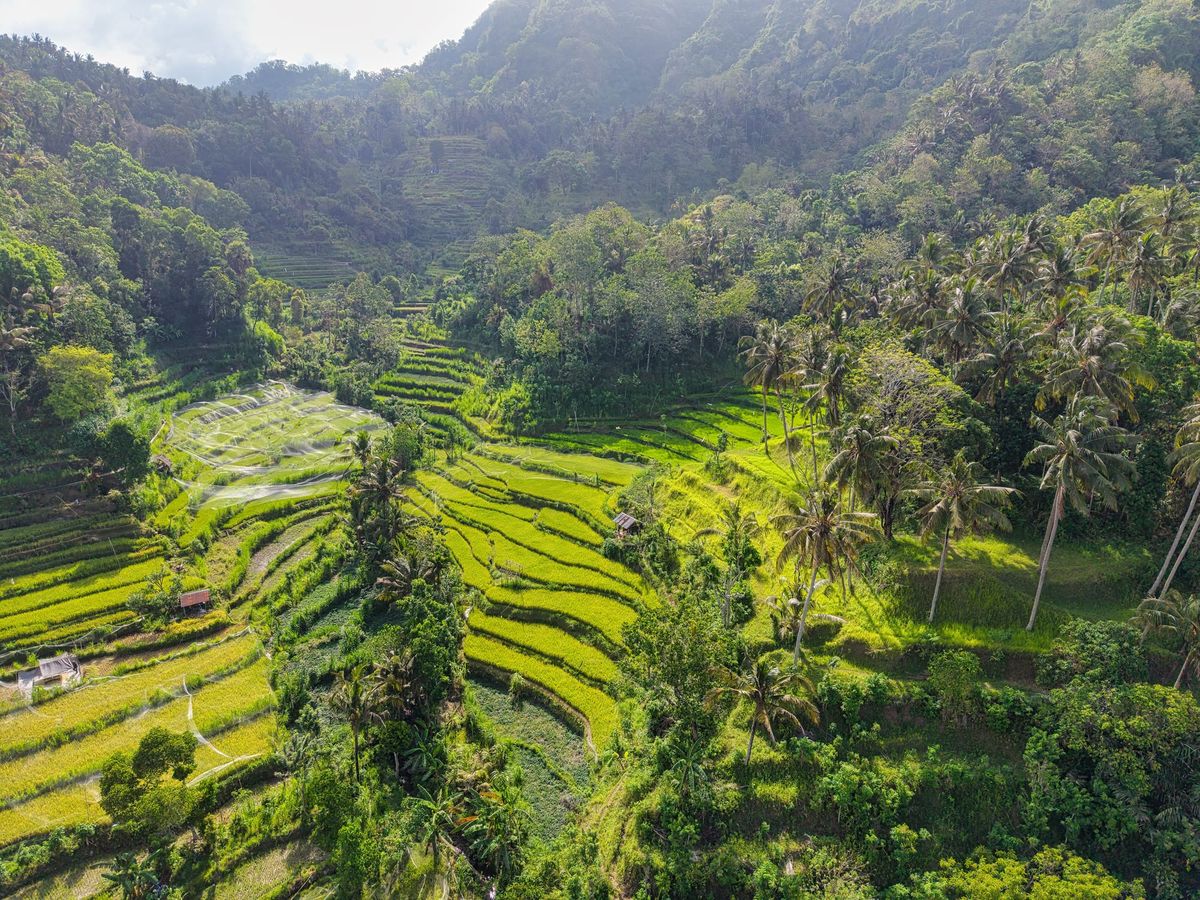
Many visitors to Bali only see its beaches and tourist attractions. During my visit, I had the chance to experience a very different side of life on the island.
My time was spent with local people, eating, sleeping and living as they do in areas where most tourists would not usually stop for more than an hour or two.
We weren't staying rough by any means, but we also weren't sheltered from the traditional way of life that many Balinese people live every day. I feel this was important in helping me understand a culture that is so varied and different from our own back home.
What made things so different? What could we learn from the Balinese?
My main takeaway was their real sense of community. Community was an omnipresent force that you could almost physically feel, like a wave of goosebumps across your skin or a warm sensation running up your spine. Here, community meant something, and without it, life itself became strained or simply ceased to exist.
It is through community that the Balinese help one another in all kinds of ways. They do what they can with what they have, whereas here we have so much, yet often do not make full use of it because we know there is always more available. Community matters most, and these organisations show what communities can achieve when they are strengthened over time.
MORE FROM ETHAN:
 Good News Post
Made Tea: Empowering local women through agriculture
Founded in 2015 by Ni Made Roni, Made Tea focuses on using local herbs and plants native to Bali to produce a wide range of teas that not only taste unique and flavourful but also offer health benefits, such as reducing stress and relieving the symptoms of colds.
When visiting Made Tea, it quickly became apparent that everything being done there was designed to benefit the local community.
The business keeps traditional farming methods alive while sharing its unique products with a global market. The focus is far less on making money and much more on embracing tradition.
Every tea is crafted by hand, celebrating methods passed down through generations. This helps bring communities together and supports local workers by avoiding the introduction of more modern production methods.
Made Tea also empowers local women by employing homemakers in production and packaging roles, offering flexible hours so they can balance work with their commitments to their families and communities.
Drinking the tea, it was clear how much care and hard work had gone into harvesting every delicate ingredient. With each sip, more natural flavours emerged, working together to create a drink that was both delicious and calming. I bought two boxes of Detox Tea and one box of Calming Blue Tea, both of which now serve as reminders of the natural taste of Bali.
Kopernik: Tackling environmental challenges
Kopernik is a non-profit research and development organisation that identifies, and then puts into practice, solutions to environmental and social challenges.
During my visit to its headquarters in Ubud, the team spoke about tackling plastic pollution, reducing inequality and adapting to climate change – all major challenges that require careful thought and practical solutions before they can be adopted on a wider scale.
 Good News Post
One project that stood out was the Waste for Water initiative, a solar-powered desalination plant in Nusa Penida that turns brackish and seawater into clean drinking water.
Local people can pay for water using recyclable waste instead of cash.
It was clear that Kopernik is an organisation committed to helping communities respond to the challenges of the 21st century in ways that are both practical and sustainable.
Like Made Tea, its work directly benefits local communities while developing ideas that can be shared around the world. With projects spanning countries including Puerto Rico, India and China, it shows how community-based initiatives can inspire positive change on a global scale.