Young people discover how nature can boost mental wellbeing


By Mental Health Correspondent
Highland school pupils are helping shape a pioneering project exploring how spending time in nature can support young people’s mental health and wellbeing.
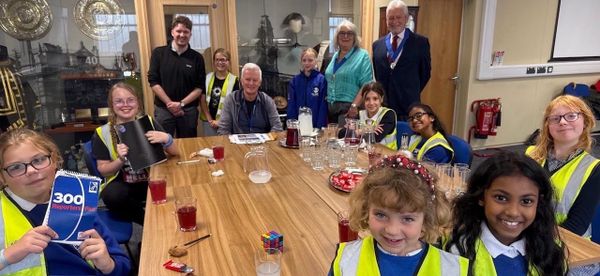
Students from Farr and Kinlochleven High Schools took part in the Healthy Young Minds programme, visiting Trees for Life’s Dundreggan Rewilding Centre near Loch Ness.
The project brings together researchers from the University of South Wales, the University of the Highlands and Islands and the University of Dundee, alongside mental health organisations and young people.
During their visit, pupils enjoyed guided walks, pond dipping, tree identification, bannock bread making and traditional fire lighting.
They also worked with Highland mental health charity Ewen’s Room to develop their own ideas for outdoor activities that could improve mental wellbeing.
Suggestions included camping, outdoor cafés, hill walking, wild swimming, beach combing, sports, family activities and natural crafts.
The young people then shared their ideas with other pupils and experts before voting for their favourites.
The project aims to explore positive ways of supporting mental wellbeing during early adolescence, when challenges such as exam stress, bullying, body image concerns and climate anxiety can emerge.
Young people in rural communities can also face additional challenges linked to isolation.
The pupils learned about five simple ways to wellbeing: connecting with others, learning new skills, giving to others, being active and taking notice of the world around them.
Franny Schlicke, Trees for Life’s Visitor Experience and Operations Supervisor at Dundreggan, said:
“Supporting young people’s mental health is so important, and it was wonderful to see the students enjoying the nature-rich landscape here, and engaging in the activities and discussions.”
Dr Sara Bradley, Senior Research Fellow at the University of South Wales, said the project was giving young people the opportunity to develop their own ideas about how nature could support their wellbeing.
She said: “Co-creating with young people is a very important and effective way to engage them in tackling challenges.”
The project is already having a positive impact, with participating students reporting that they now see nature as important for their mental health, spend more time outdoors and think more about other people.
The research team is now preparing academic papers and seeking further funding, while continuing to work with the schools to explore putting the pupils’ ideas into practice.