Zoe’s Story: Living with 22q11.2 Deletion Syndrome and Finding Her Voice

By Ellise Hollie Hayward, Disabilities Correspondent
Meet Zoe, a 29-year-old disability advocate, published author and part-time care assistant from the UK.
She was born with 22q11.2 deletion syndrome, also known as DiGeorge syndrome, a condition that has affected many areas of her life.
Because of her condition, Zoe has undergone two open-heart surgeries for Tetralogy of Fallot. She is partially deaf and wears hearing aids, has scoliosis, a mild learning disability and was partially sighted growing up.
Despite these challenges, she has always believed that her disability does not define her. Instead, it has helped shape who she is.
Today, Zoe uses her voice on social media, through her book and by speaking about her experiences to help others feel less alone and to raise awareness of a condition that many people have never heard of.
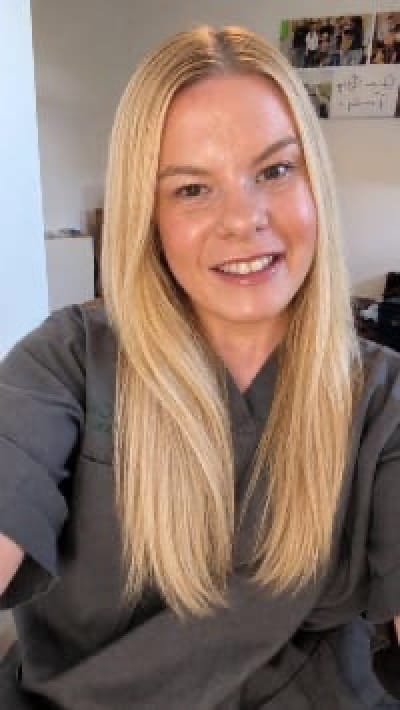
22q11.2 deletion syndrome, or DiGeorge syndrome, is a rare genetic condition caused by a tiny missing piece of chromosome 22.
It affects everyone differently, which is one of the reasons it is often misunderstood.
For Zoe, the condition has impacted her heart, hearing, eyesight, spine and learning. She underwent major heart surgery as a child and another operation later in life.
Growing up, she often felt different from others. Things that came naturally to her friends sometimes took her longer to learn, and she struggled with confidence because she did not always understand why she was different.
There were times when people underestimated what she could achieve because of her diagnosis.
However, Zoe has learned that having a disability does not mean having less potential. It simply means that the journey may look different.
One of the biggest challenges Zoe faces is that many of her difficulties are invisible. People often do not realise she is living with a genetic condition because she does not necessarily appear disabled.
Living with hearing loss, fatigue, anxiety and a learning disability means that everyday life can sometimes require more energy than others realise.
She also attends regular medical appointments to monitor her health, as DiGeorge syndrome can affect different parts of the body throughout life.
Another challenge is the lack of awareness.
Many people, including some healthcare professionals, have never heard of 22q11.2 deletion syndrome. This is why raising awareness is so important to Zoe. The more people understand the condition, the more supported families and adults with 22q can feel.
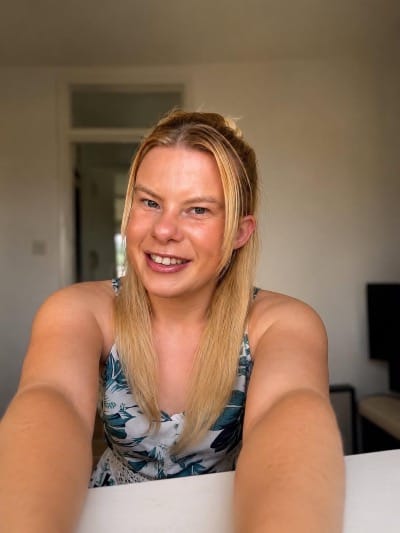
Zoe’s book, Between Heartbeats, is inspired by her own experiences of growing up with a congenital heart condition and DiGeorge syndrome.
The story follows a teenage girl who enters a symbolic world inside her own heart during surgery. As she journeys through different chambers, she faces fear, self-doubt, rejection and acceptance before finding the strength to keep fighting.
Zoe wrote the book to help people with disabilities and long-term health conditions feel seen.
Growing up, she did not see many stories that reflected people like her. She wanted to create something that reminds readers that their challenges do not define them and that there can be hope, even during the hardest times.
MORE FROM ELLISE:
 Good News Post
She wants others to know that a diagnosis does not define the future. There will always be people who underestimate others, but their opinions should not become limitations. Every challenge overcome is proof of strength.
Whether someone has DiGeorge syndrome, another disability or is simply going through a difficult time, their voice matters. Their story matters. They are capable of achieving incredible things, even if their journey looks different from everyone else’s.
Zoe truly believes that the greatest challenges can become the greatest purpose. For her, that purpose is raising awareness, helping others feel less alone and showing that being different is not something to hide. It is something to embrace.