
Giant Snake Mosaic Unveiled at London Zoo Honours Forgotten Wildlife Pioneer


By Conservation Correspondent
A giant snake mosaic celebrating one of Britain's pioneering reptile experts has been unveiled at London Zoo as part of the Zoological Society of London's 200th anniversary celebrations.
The 53ft artwork, designed by British artist Linder, honours zoologist Joan Beauchamp Procter, who became London Zoo's first female Curator of Reptiles at the age of 26 and helped transform public understanding of reptiles during the 1920s.
Titled Sirona, the permanent installation depicts an Ethiopian mountain adder, an endangered species cared for at the zoo today.
It is made from around one million reclaimed pieces of marble and bordered with black granite.
The mosaic is the first permanent public artwork created by Linder, whose work is best known for photography, photomontage and performance art.
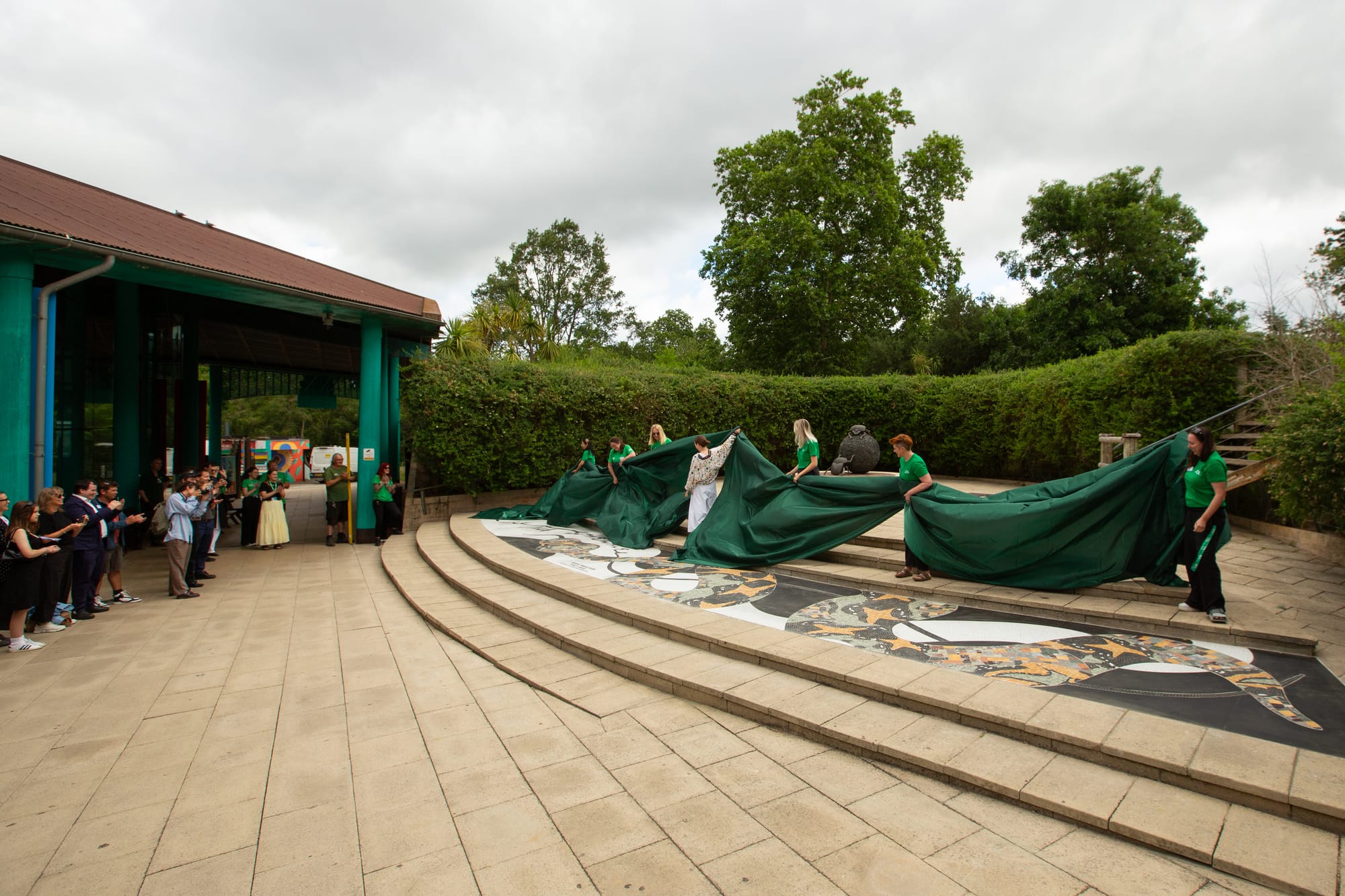
Procter, born in 1897, was regarded as one of the leading herpetologists of her generation. During her career she redesigned London Zoo's reptile enclosures to better meet the animals' needs, introduced Komodo dragons to Britain for scientific study and developed new approaches to reptile care before her death in 1931, aged just 34.
 Good News Post
Linder researched Procter's life through archive collections at the Zoological Society of London and Girton College, Cambridge, before working with community groups and young people at London and Whipsnade zoos to develop the design.
Cat Hickey, ZSL's Head of Conservation Education, said Procter had helped change attitudes towards reptiles through science and public education, but her achievements had largely been overlooked.
She said: "As we celebrate our 200th year, it is fitting to honour her legacy with a major new artwork. We hope it will inspire visitors of all ages for years to come."
Linder described the commission as a journey of discovery into the life of "a true heroine of the natural world".
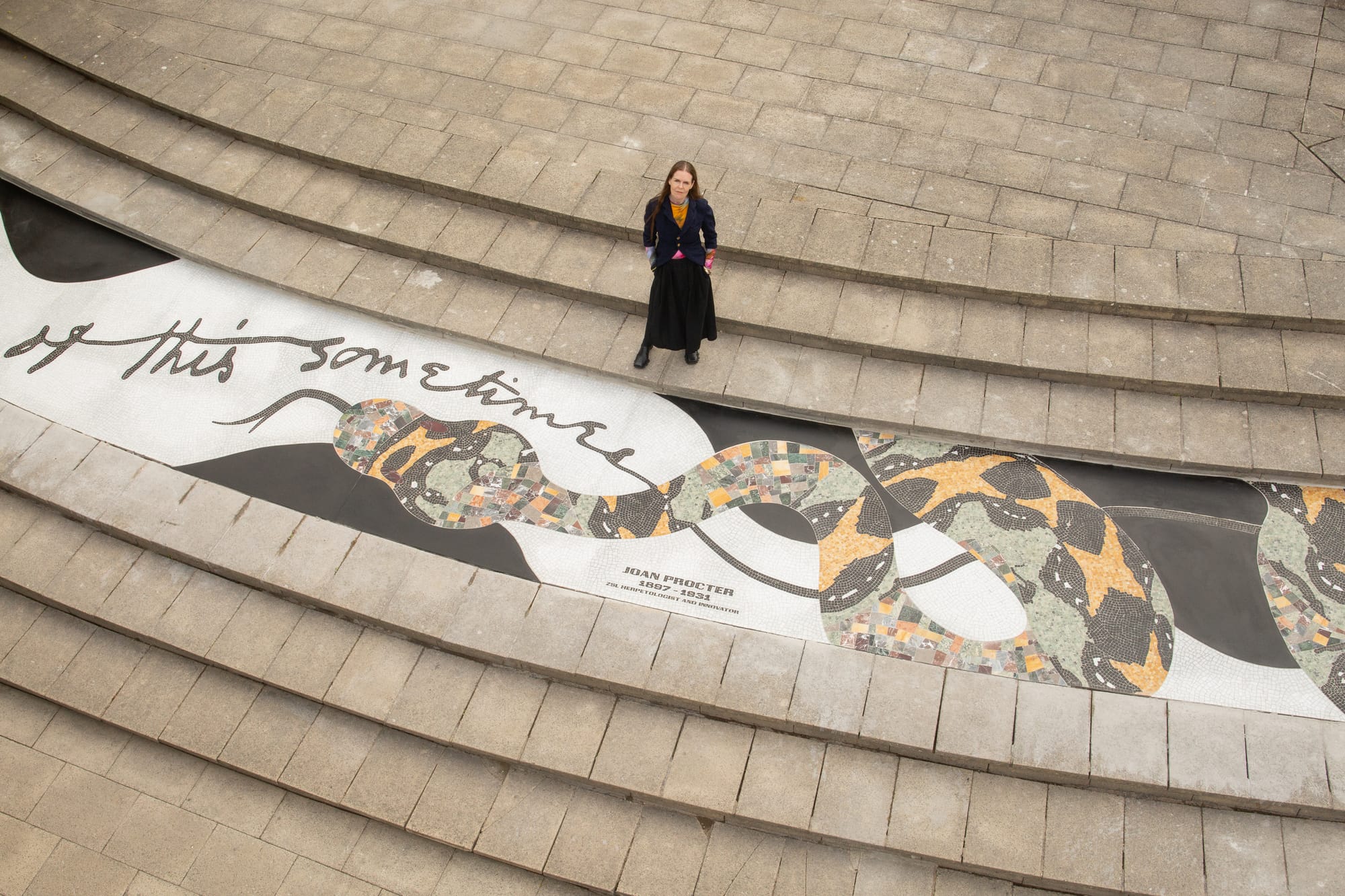
She said Procter's determination and curiosity had strongly resonated with her own work, adding that the project had given long-overdue recognition to a scientist whose contribution deserved to be remembered.
The mosaic is now on permanent display at London Zoo, where it has been installed as part of ZSL's bicentenary celebrations.