Thousands of Seagrass Shoots Planted in Major Thames Restoration Project

By Charities Correspondent
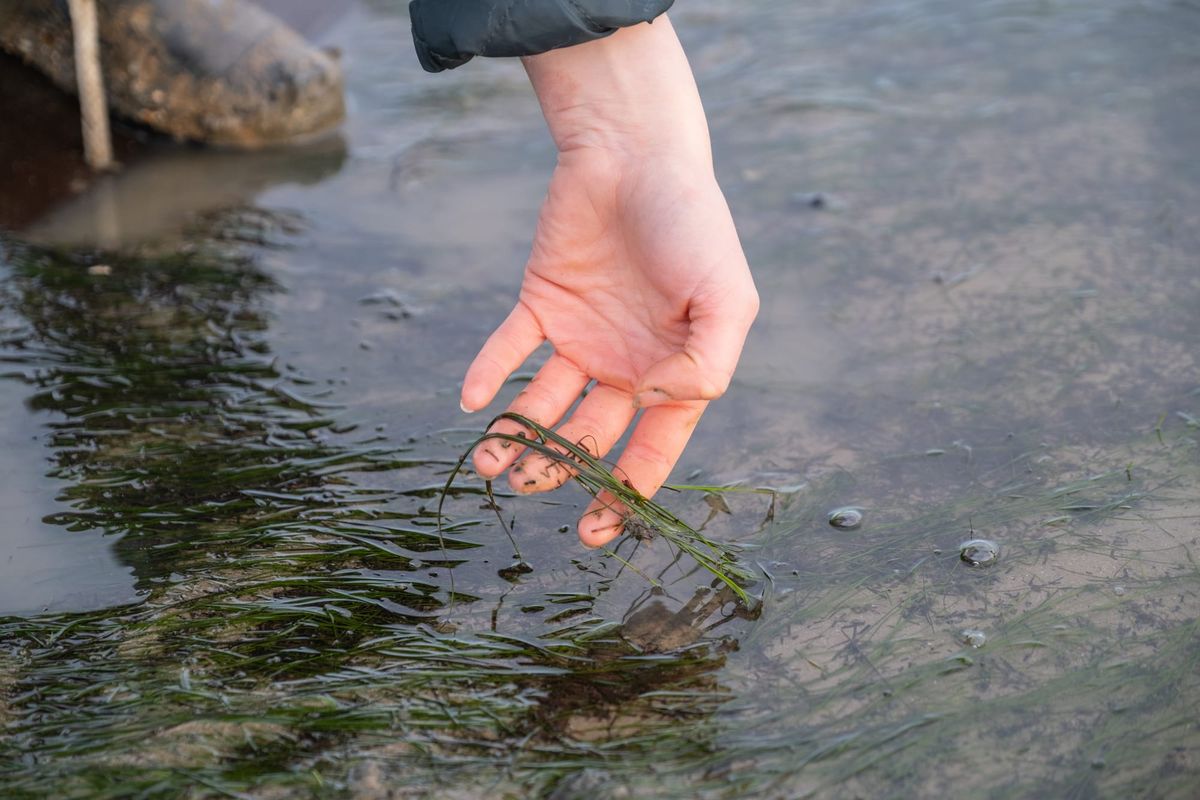
Thousands of seagrass shoots have been planted in the Thames Estuary as part of a major conservation effort aimed at restoring wildlife habitats and improving the area's resilience to climate change.
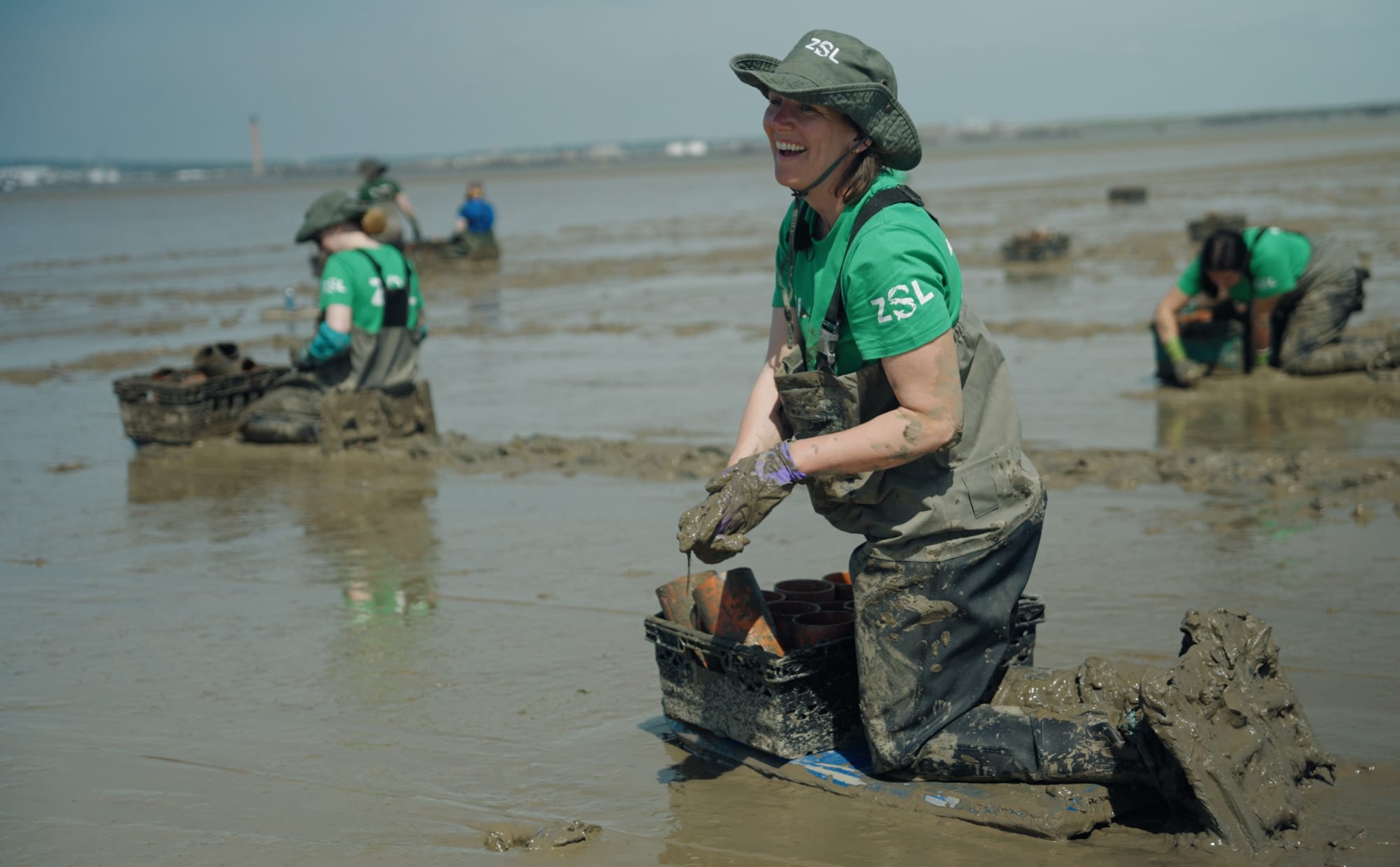
The planting marks the start of a large-scale restoration programme led by conservation charity ZSL, with teams spending a week collecting and replanting seagrass across the estuary.
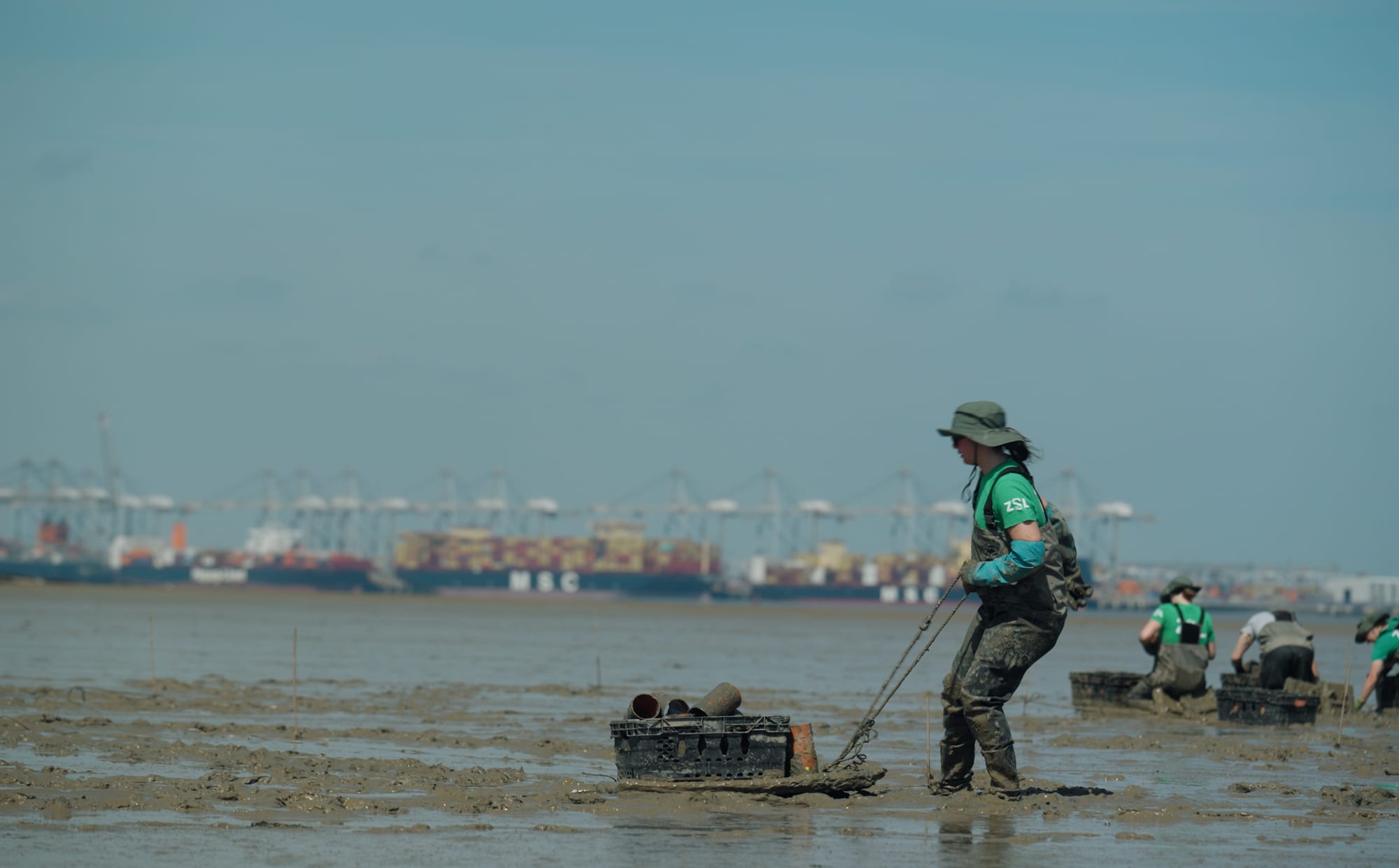
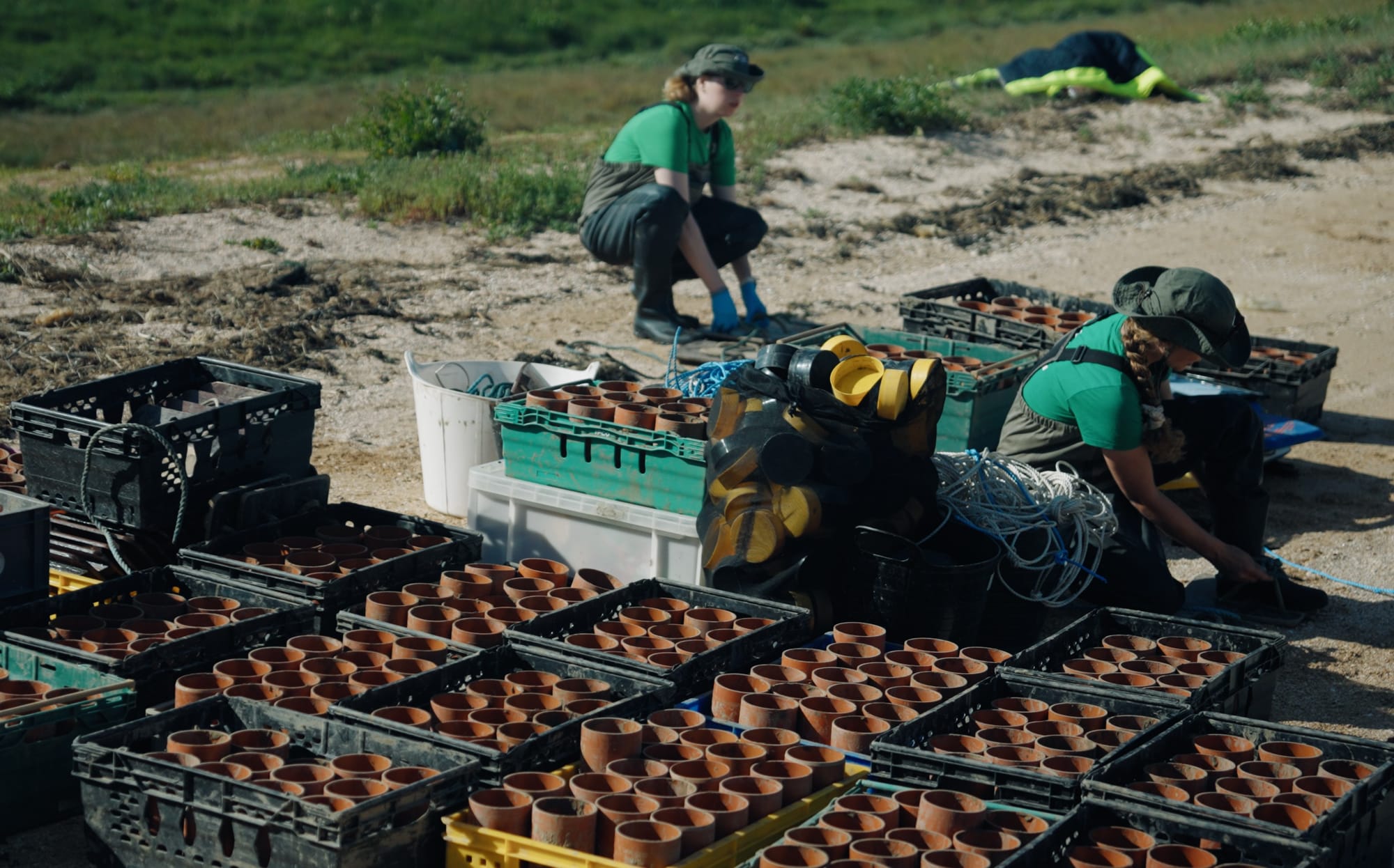
Almost 1,000 seagrass-filled cores were carefully removed from an established meadow near Leigh-on-Sea in Essex before being transported and planted in mudflats at Egypt Bay in Kent.
Each core contains several dwarf eelgrass shoots, meaning thousands of individual plants have now been introduced to the restoration site.
Conservationists hope the new meadow will eventually grow to cover an area larger than one-and-a-half football pitches.
The operation was no straightforward task.
Teams worked during low tide windows and used specially designed wooden mudshoes to cross the estuary's soft mudflats. A hovercraft was also brought in to transport volunteers, equipment and seagrass between sites before the incoming tide returned.
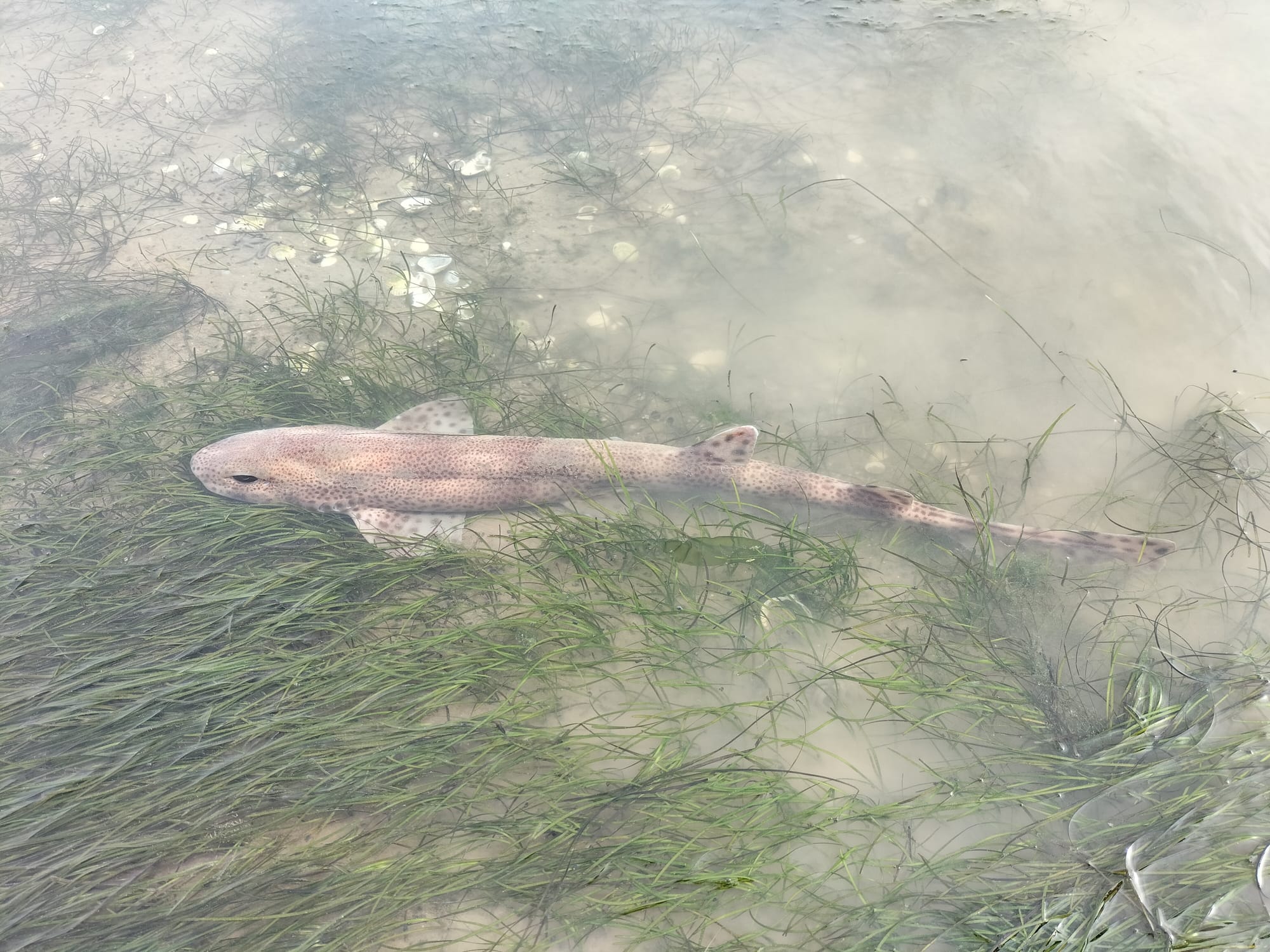
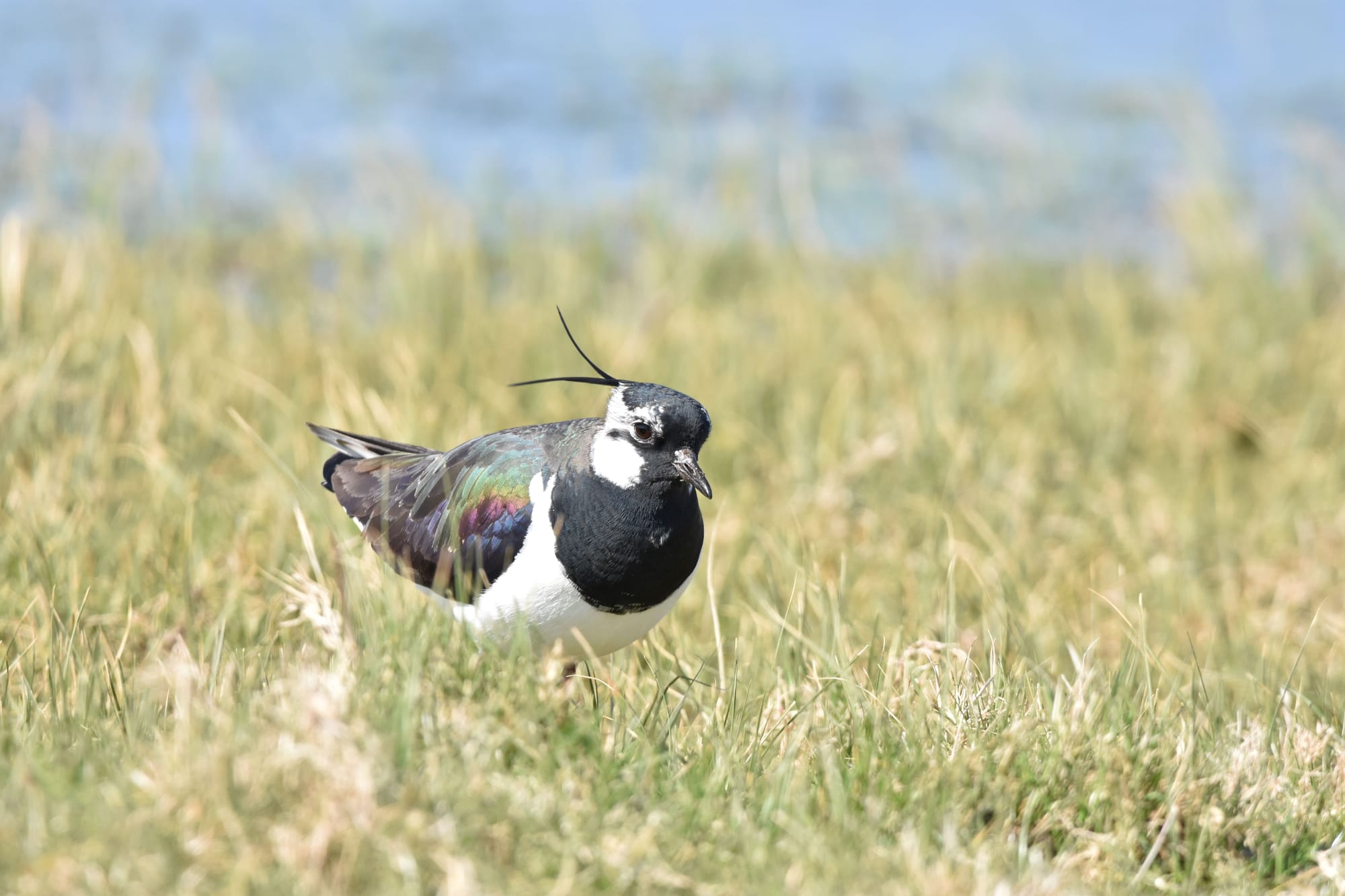
Seagrass meadows provide important habitats for marine life, offering shelter for fish and feeding grounds for birds while helping to reduce coastal erosion. However, seagrass has declined significantly around the UK in recent decades due to pollution, habitat loss and worsening water quality.
The planting is the first phase of Transforming the Thames, a five-year partnership involving 20 organisations working to improve the health of the Greater Thames Estuary.
DON'T MISS:
 Good News Post
Future plans include restoring around 450 football pitches of important coastal habitats, including oyster beds, saltmarsh, grazing marsh and bird nesting sites.
Project leaders say the work will not only benefit wildlife but also help protect coastal communities from the growing impacts of climate change.
The wider programme will also focus on tackling pollution and encouraging local communities, businesses and landowners to play a role in the long-term recovery of the estuary.