Good News for Garden Birds: It's Time to Get the Feeders Back Out This Winter

By Animals Correspondent
Good news for anyone who has missed seeing birds gathering around their garden feeders. The RSPB is reminding households that it's time to put the seed and peanut feeders back out as winter approaches.
From November 1, people can once again offer seeds and nuts to visiting birds, helping them find food as natural supplies become harder to come by during the colder months.
The advice follows a change to the RSPB's bird-feeding guidance earlier this year, after its conservation scientists reviewed the potential risks of feeding garden birds.
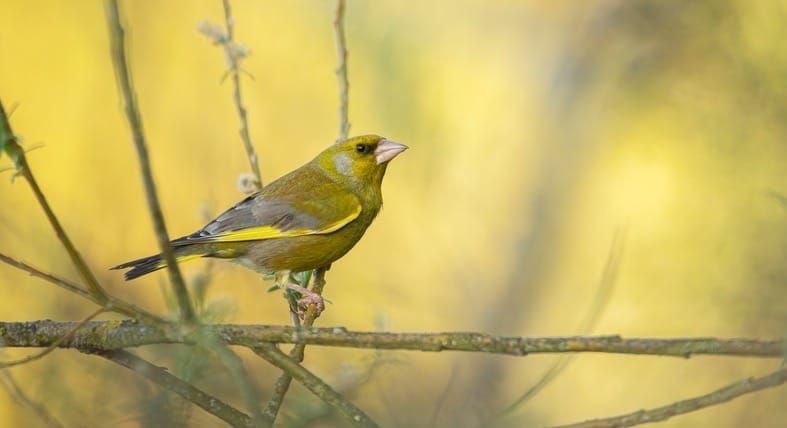
Particular concern centred on declining finch numbers, especially Greenfinches, whose population has fallen by more than 65% since the 1990s. One of the main threats is trichomonosis, a disease that affects a bird's throat and makes it difficult to swallow food.
The disease can spread through contaminated food and water, with the risk higher during the summer and autumn.
Feeding areas where large numbers of birds gather can make matters worse, particularly bird tables and other flat surfaces where old food can build up.
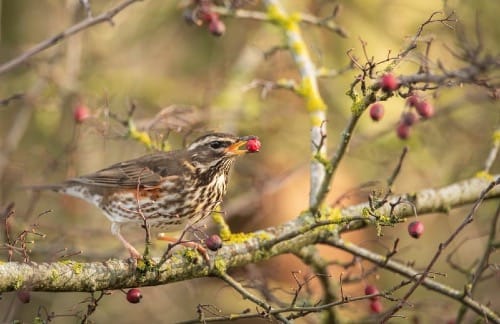
As a result, the RSPB advised people to stop putting out seeds and nuts between May 1 and October 31, as these are favourite foods of finches.
Now, with November here, that seasonal pause has come to an end.
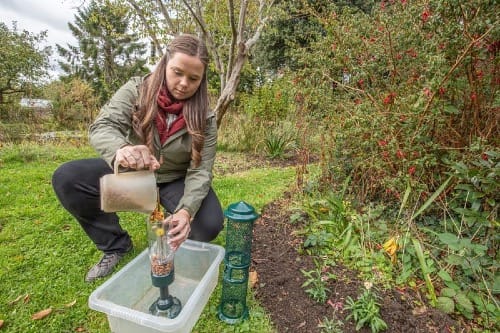
Small amounts of mealworms, fat balls and suet can still be offered throughout the year, but whatever food is provided, keeping feeding equipment clean remains essential. The RSPB recommends thoroughly cleaning feeders at least once a week to help prevent the spread of disease.
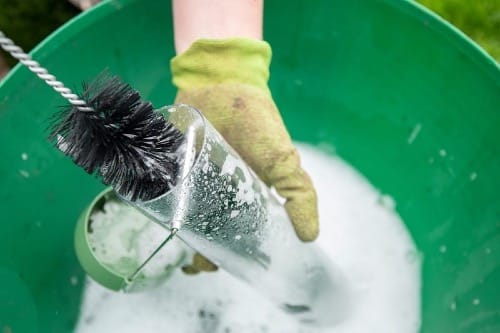
Although the risk of trichomonosis is lower during winter, good hygiene is still important. Feeders that can be easily taken apart make regular cleaning much simpler.
After a summer of heatwaves and drought, which have taken their toll on gardens, helping birds through the winter is particularly important this year.
 Good News Post
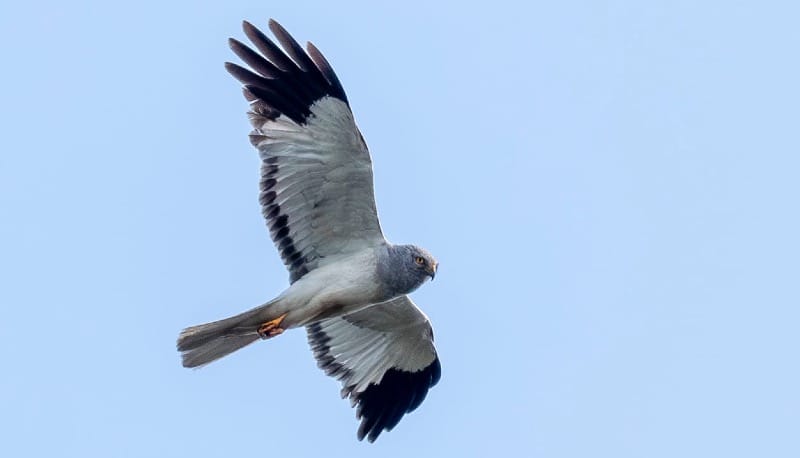
For many people, putting out bird food is one of the simple pleasures of having a garden. And with seed and peanut feeding now back on the menu, there is every reason to look forward to seeing those familiar visitors returning to the feeders.
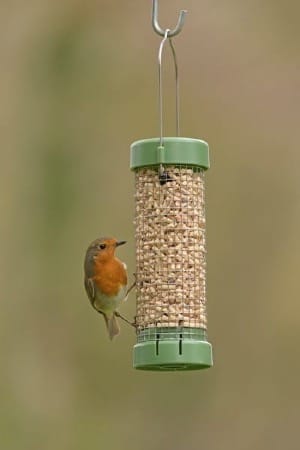
The RSPB's full advice on feeding garden birds and creating a wildlife-friendly garden can be found at:
https://www.rspb.org.uk/whats-happening/news/how-to-help-garden-birds