
Hem Heath Woods gets a new lease of life for people and wildlife

By Community Correspondent
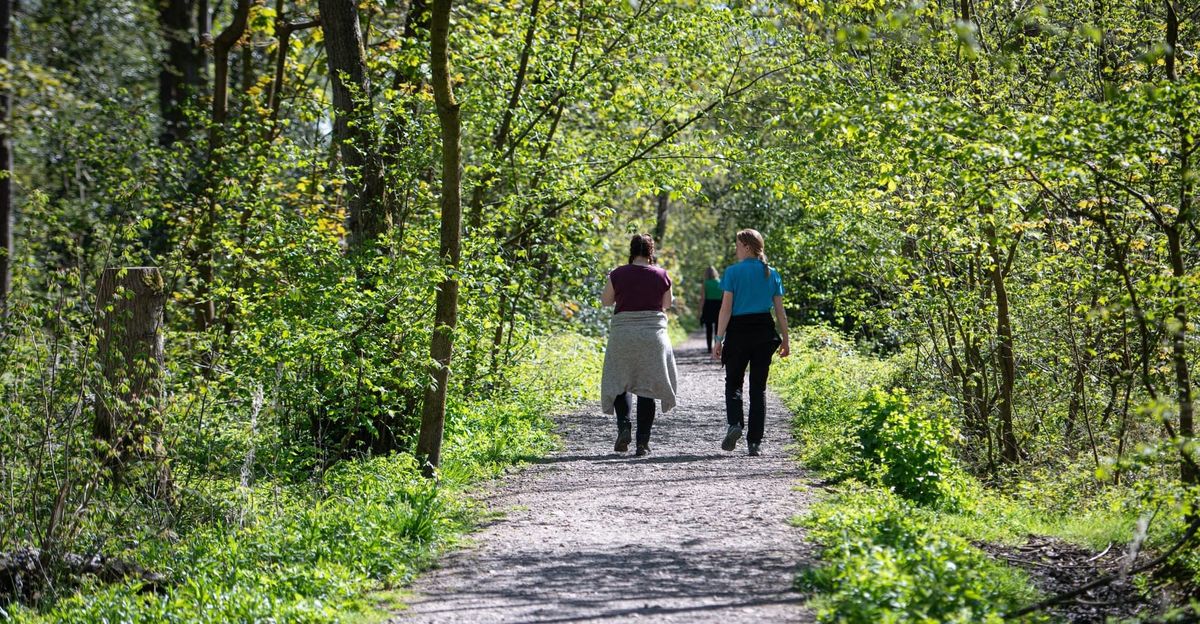
Hem Heath Woods near Barlaston has had a major makeover, with new paths, benches and planting making the popular Stoke-on-Trent woodland easier to enjoy.
Staffordshire Wildlife Trust has spent the past year carrying out work at the site, including laying 2,500 metres of surfaced paths. The new routes should make woodland walks easier during the wetter months, when the ground can become muddy.
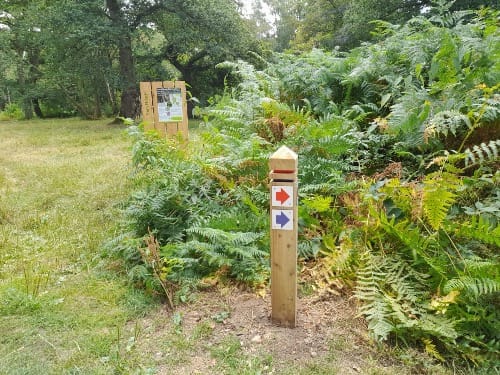
There are also three new colour-coded walking routes, ten benches and information boards showing visitors what wildlife they might spot throughout the year.
The work has been good news for wildlife too.
Volunteers have planted 2,100 young trees, including oak, hazel, hawthorn, wild cherry, crab apple and silver birch.
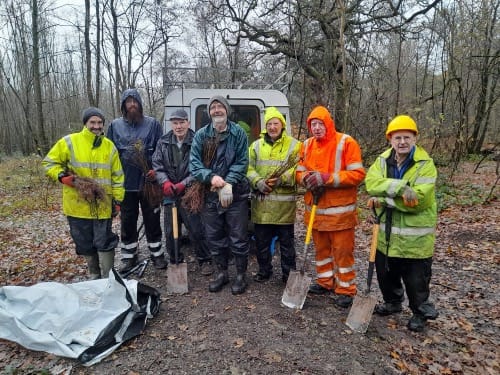
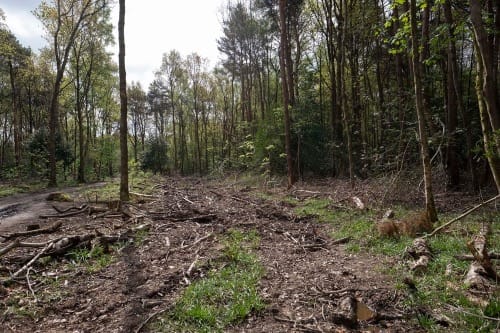
Many trees were lost at Hem Heath because of ash dieback. Planting a mixture of new trees will help fill some of the gaps while creating a woodland with trees of different ages, providing food and shelter for birds, insects and mammals.
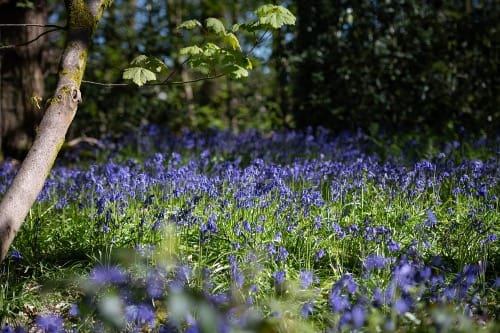
Volunteers have also collected native bluebell seeds and spread them around the woods.
It will take several years for the new plants to become established, but the aim is to increase the amount of bluebells across the site.
Sheryl Hayes, Reserves Officer at Staffordshire Wildlife Trust, said Hem Heath is a “green oasis” which has been enjoyed by local people for generations.
“We want it to provide the same joy for others over the next 20 plus years,” she said.
DON'T MISS:
 Good News Post
The Trust has already seen more bird activity and nesting in some areas following the work.
The £126,988 project was funded by the Veolia Environmental Trust through the Landfill Communities Fund. It has also helped fund family events during school holidays, two new ponds and improvements to six existing ponds nearby.
There is more work to come, with Stoke-on-Trent City Council providing £18,856 to upgrade the car park. The loose chippings will be replaced with tarmac this autumn, making it easier for visitors to use during the winter.