
How Diet and Tryptophan Influence Serotonin and Mental Health (By Jaiden, 15)

By Jaiden, 15, Good News Room at Priory Community School Academy
The happy hormone, serotonin
Serotonin, often called the “happy hormone”, is a neurotransmitter found in the gut, brain and elsewhere in the body.
While serotonin supports mood, it also affects sleep, appetite, memory and emotional resilience. Measuring serotonin levels and their link to mental health is complex.
Some antidepressants can increase serotonin, but dietary approaches focus on tryptophan, an amino acid that the body converts into serotonin.
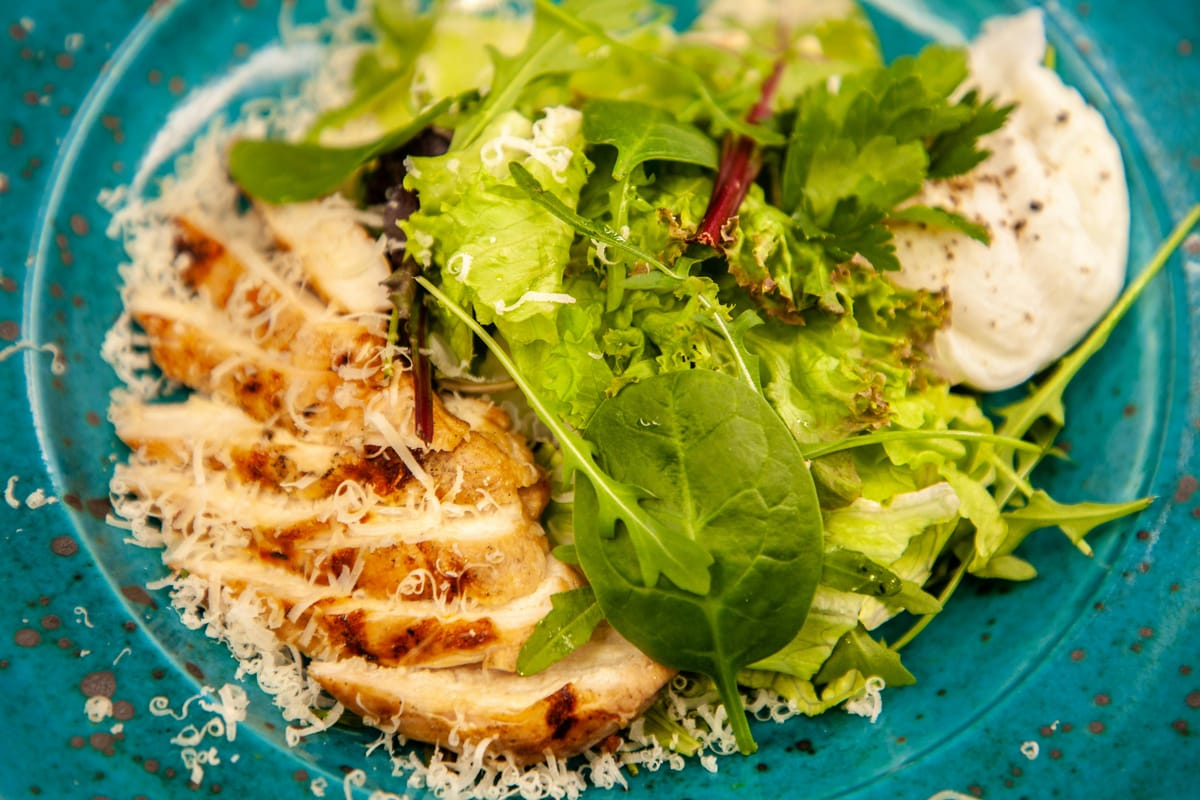
Tryptophan can be obtained from the diet and is found in foods like chicken, eggs, cheese, cashew nuts, oats and spinach.
There is some evidence that increasing intake of tryptophan-rich foods may improve mood and help prevent depression, especially for those at risk, but tryptophan alone is not a cure for depression.
 The Editor
Experts recommend eating whole, unprocessed foods with tryptophan, reducing refined sugar, and maintaining gut health as part of a balanced diet to support healthy serotonin levels and overall wellbeing.
This article is for informational and educational purposes only. It does not replace advice from a qualified healthcare professional. If you have concerns about your mental health or diet, please consult a doctor, nutritionist, or other qualified professional.