New Satellite Technology Helps Scientists Monitor Endangered Emperor Penguins

By Science Correspondent
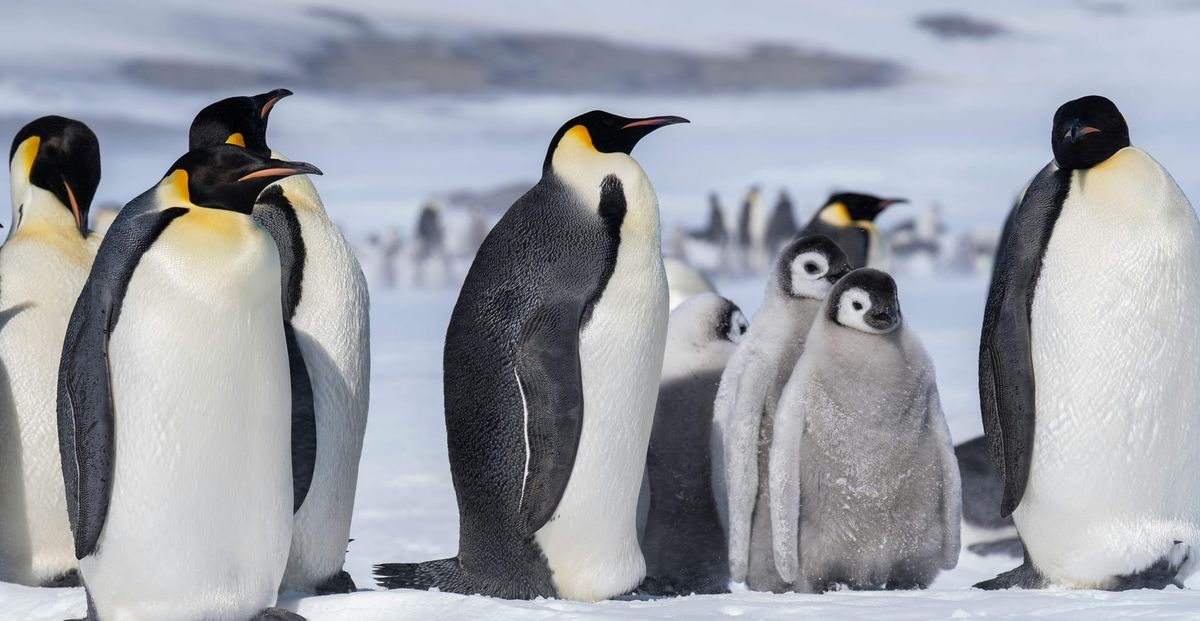
Scientists have found a way to monitor emperor penguins during Antarctica's dark winter for the first time, using satellite radar technology that works without sunlight.
The breakthrough could help researchers better understand how emperor penguin populations are changing as climate change continues to affect Antarctic sea ice.
For years, scientists have relied on satellite photographs to track emperor penguin colonies. However, those images can only be captured when there is daylight, leaving a major gap during the winter breeding season.
A new study led by Professor Michelle LaRue from the University of Canterbury in New Zealand has shown that high-resolution radar satellites can detect penguin colonies even during months of complete darkness.
The technology, known as Synthetic Aperture Radar (SAR), uses radar signals rather than cameras.
Researchers found it could identify different stages of colony activity, including the winter period when male penguins huddle together while incubating eggs.
Being able to monitor colonies at this stage could give scientists a clearer picture of breeding numbers and colony health.
 Good News Post
Emperor penguins were recently added to the International Union for Conservation of Nature (IUCN) Red List of Threatened Species. The species depends on stable sea ice for breeding, making it particularly vulnerable to warming temperatures.
The study's authors say the findings are an important first step towards producing more accurate estimates of emperor penguin breeding populations and understanding how colonies respond to changing conditions in Antarctica.
The research was published in the journal Remote Sensing in Ecology and Conservation and involved researchers from several international organisations, including NASA's Jet Propulsion Laboratory, the British Antarctic Survey and the University of Waikato.
Credit: Research led by the University of Canterbury and published in Remote Sensing in Ecology and Conservation.