New Tech Tracks Soy Origins, Offering Breakthrough in Fight Against Deforestation

By Science Correspondent
A team of international scientists has developed a powerful new way to track where soybeans are grown—offering a major step forward in tackling one of the world’s leading causes of deforestation.
Researchers from the Royal Botanic Gardens, Kew, World Forest ID, the University of Sheffield and global partners have created a technique that can pinpoint the origin of soy crops to within around 200 kilometres.
The advance could significantly improve efforts to monitor and reduce deforestation linked to global food supply chains.
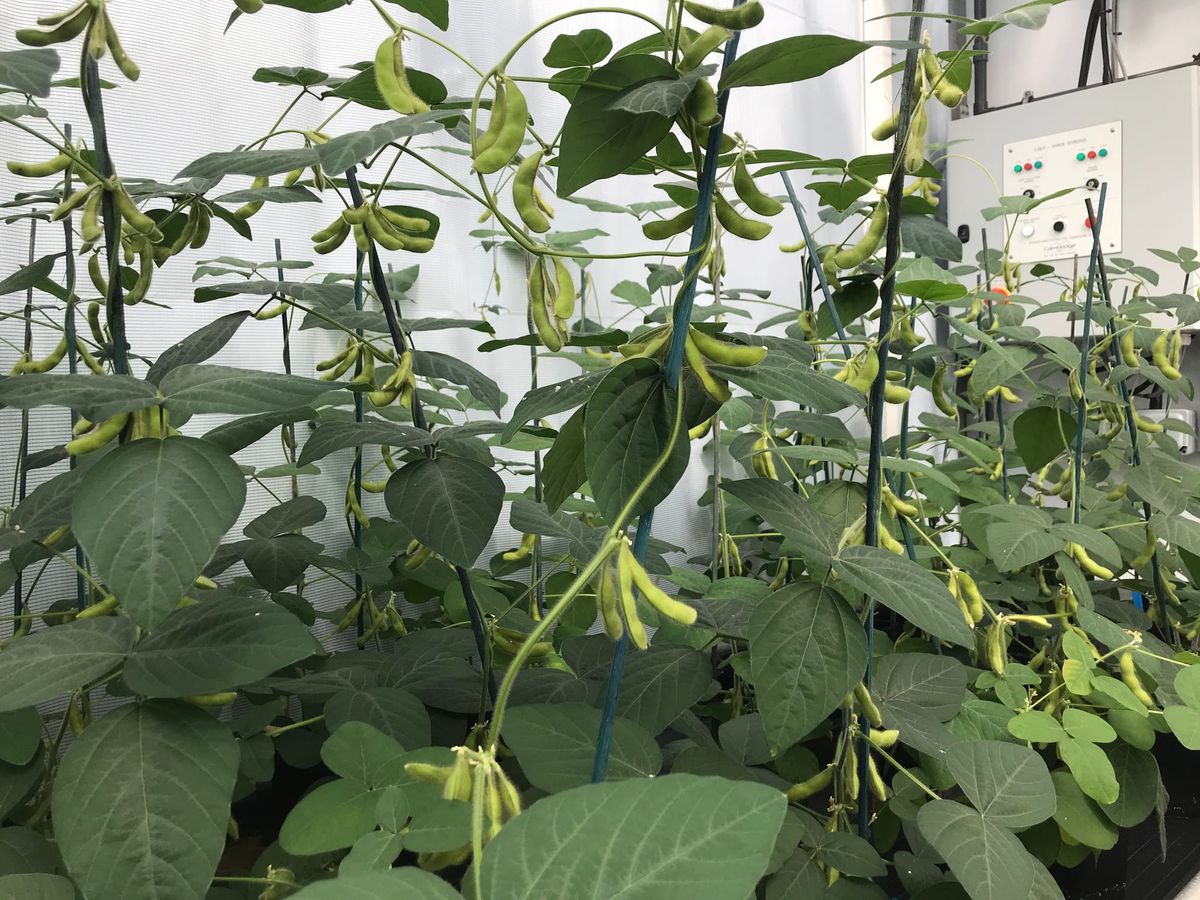
The study, funded by Department for Environment, Food & Rural Affairs and published in Communications Earth and Environment, combines chemical analysis of soybeans with machine learning and environmental data.
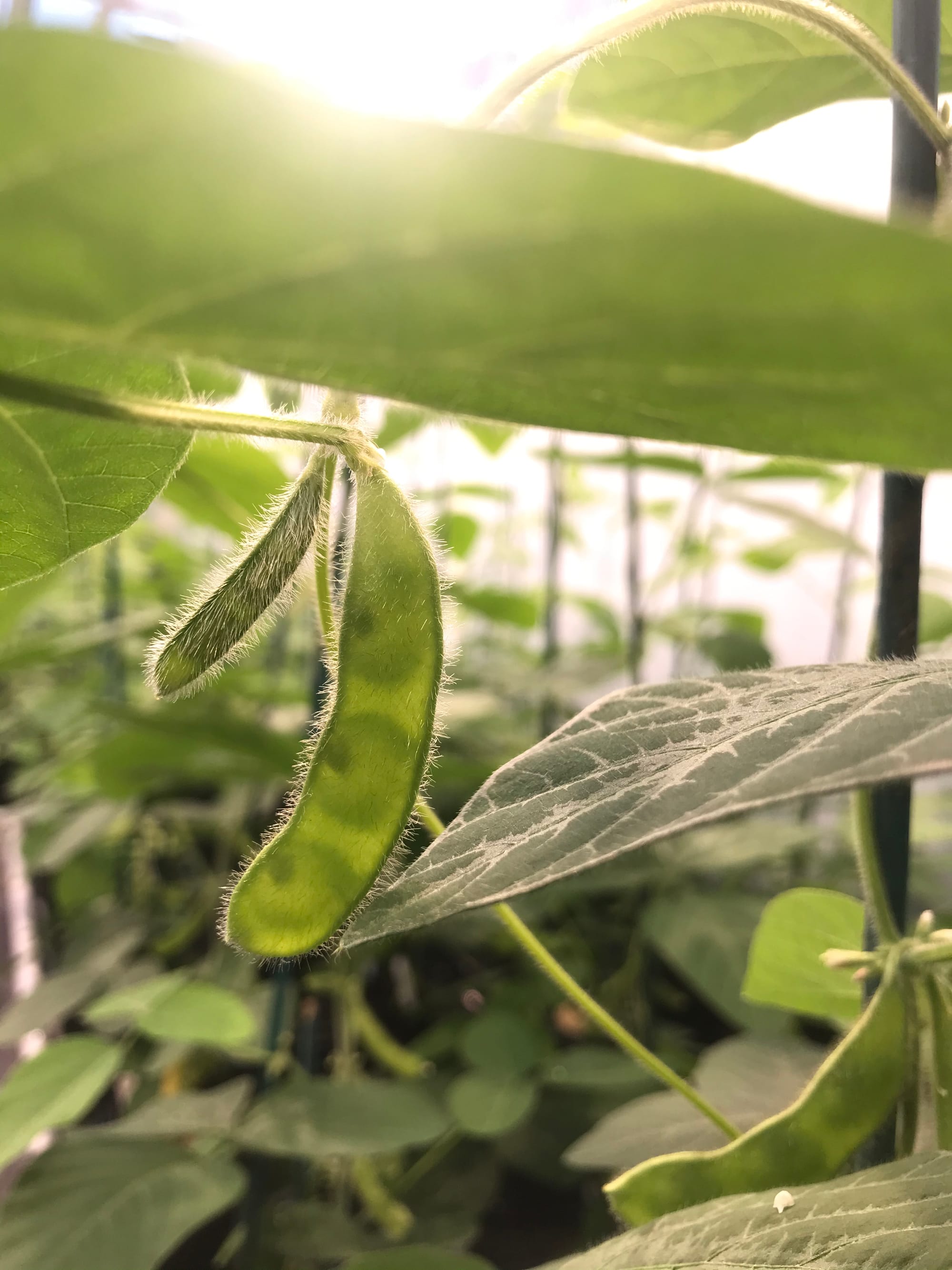
This allows scientists to estimate where crops were grown, even when they pass through complex international trading systems.
Agriculture remains the biggest cause of tropical forest loss. In 2023 alone, 3.7 million hectares were lost, with tens of millions more cleared in recent decades.
 Good News Post
Soy production—largely used in animal feed—accounts for a significant share of this, particularly in South America where demand continues to rise.
Tracking soy has long been a challenge. Shipments are often blended and exported across multiple countries, making it difficult to verify their true origin.
Until now, most methods could only identify broad regions or countries.
The new approach changes that.
By analysing chemical “fingerprints” from hundreds of soybean samples across South America and combining them with environmental data, researchers built a model capable of predicting origin within roughly 190 kilometres.
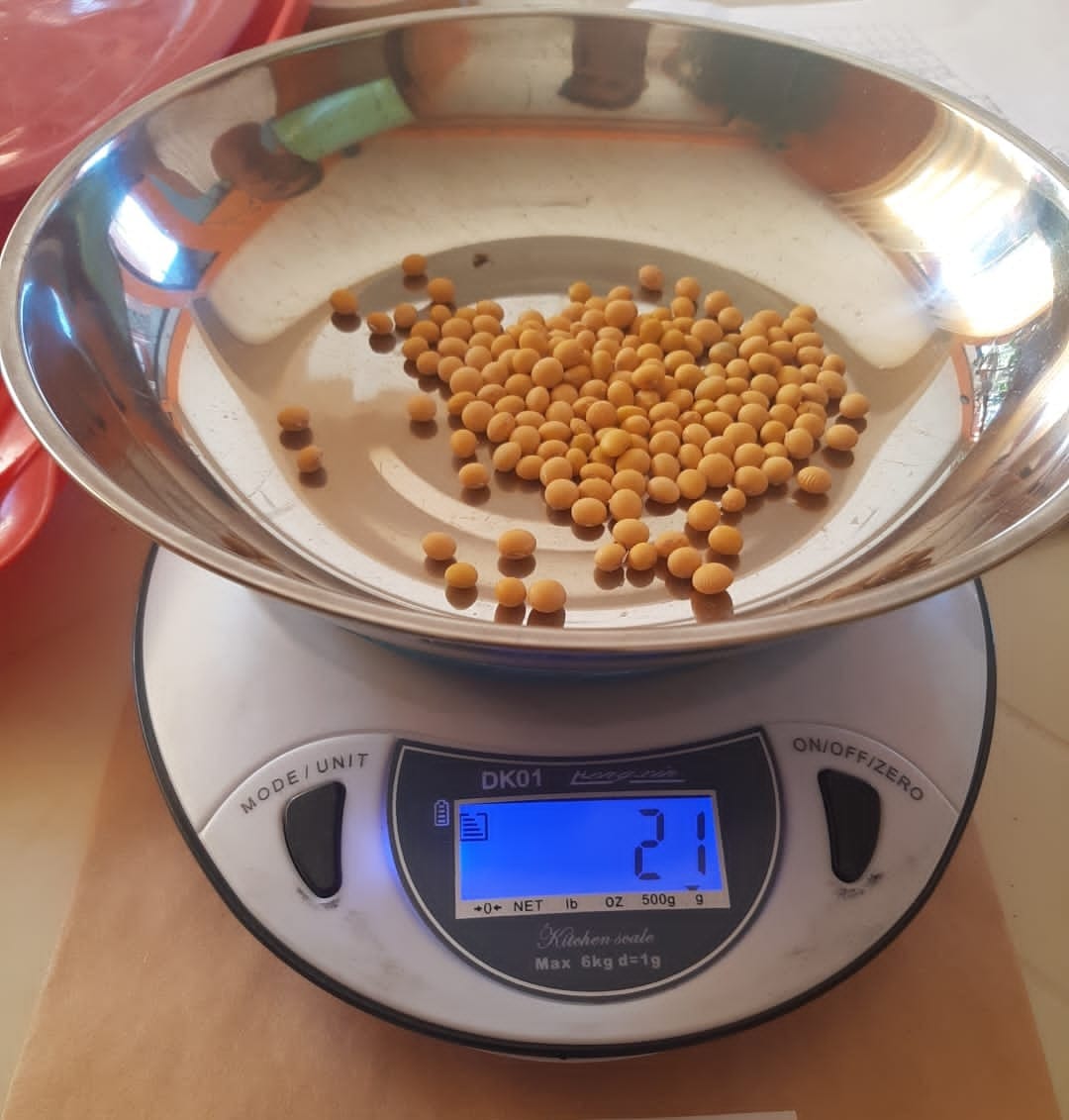
This level of detail matters, as deforestation risk can vary sharply even between neighbouring areas.
Scientists describe the method as a major advance in supply chain transparency, enabling companies and regulators to check whether products genuinely come from declared locations.
The technique is already being explored for other commodities linked to deforestation, including timber, and could also be applied to crops such as cocoa, coffee, palm oil and rubber.
Caspar Chater of the Royal Botanic Gardens, Kew said the approach “brings much-needed transparency” to complex supply chains and marks “a significant step forward” in tracing where commodities are produced.
Good News Post
The timing is critical. New regulations such as the EU Deforestation Regulation, due to take effect in 2026, will require companies to prove their products are not linked to recently deforested land.
Tools like this could give regulators a more reliable way to verify those claims.
In the UK, similar measures are expected under the Environment Act, while businesses have already made commitments through initiatives like the UK Soy Manifesto to remove deforestation from supply chains.
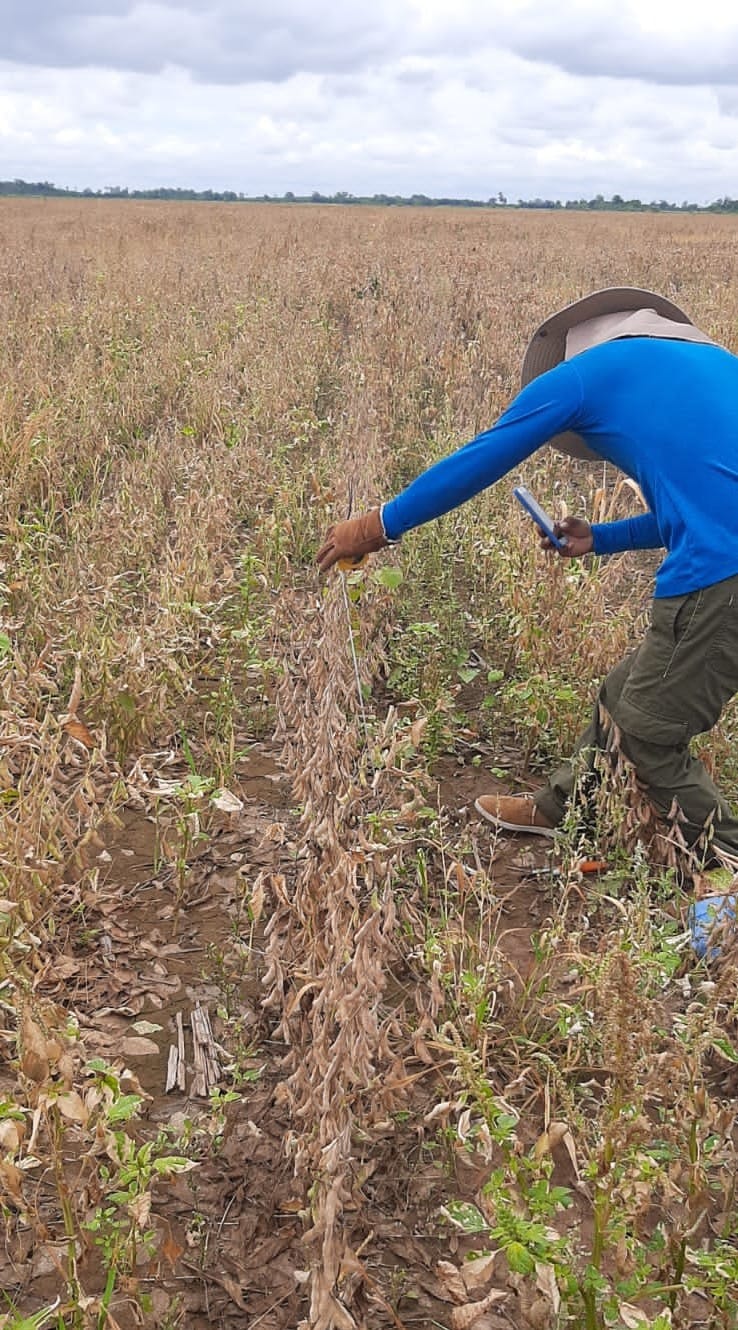
Although consumers rarely buy soy directly, the impact is widespread through products like meat and dairy. Greater traceability could eventually make it easier to assess whether companies are meeting their environmental commitments.
Jade Saunders of World Forest ID said the tool enables “far more precise verification” and gives organisations “a practical way to turn commitments into real accountability.”
Researchers stress that the technology is not a complete solution on its own. However, as part of a broader toolkit, it could play an important role in reducing deforestation and improving transparency across global supply chains.