
Plastic Bottles on Fishing Nets Cut Dolphin Bycatch by 88%, Study Finds


By Conservation Correspondent
Discarded plastic drinks bottles could help save dolphins from being caught in fishing nets, according to new research led by Newcastle University.
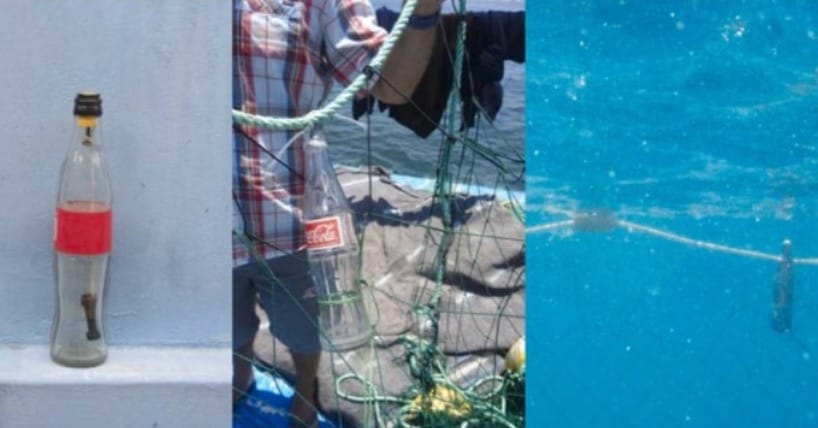
Two studies found that attaching empty plastic bottles to bottom-set gillnets reduced dolphin bycatch by 88% without affecting catches of commercially important fish.
The findings, published in the peer-reviewed journals Fisheries Research and Marine Mammal Science, suggest the low-cost technique could offer fishermen an affordable way to protect marine mammals while continuing to catch their target species.
Gillnets are made from nylon and are difficult for dolphins to detect underwater.
Researchers found that air-filled plastic bottles attached to the nets act as acoustic reflectors, helping dolphins detect and avoid them. Glass bottles fitted with metal bolts were also tested, creating a clinking sound underwater.
Professor Per Berggren, Emeritus Professor of Marine Megafauna Conservation at Newcastle University and lead author of the studies, said:
“This is a good news story and something that we strive for - a simple solution which benefits both dolphins and the fishers who use the gear. Attaching plastic bottles to fishing nets can reduce dolphin bycatch globally and is something that every fisher can afford.
“It’s also rewarding to know that we are using some of the plastic waste that spoils our oceans. The bottles are securely attached to the nets and we did not lose any plastic bottle during the trials.
“We are excited to share this method and spread the word and work with governments and agencies around the world to encourage the adoption of this low-cost mitigation method to reduce marine mammal mortalities in fisheries.
“This is genuinely recycling that rescues dolphins.”
 Good News Post
The researchers monitored more than 1,600 fishing net deployments in Brazil, Peru and Zanzibar. While the method showed little benefit in surface-set fisheries in Peru and Zanzibar, trials in Brazil proved far more successful.
A follow-up study tracked 318 fishing trips between 2020 and 2025 and confirmed the reduction in dolphin bycatch, with no impact on fish catches.
Professor Berggren believes the technique works better on bottom-set nets because waters nearer the surface are noisier, making the bottle reflectors less effective.
The team is now carrying out further trials in Cambodia and the Republic of the Congo.
Source: Research published in the peer-reviewed journals Fisheries Research and Marine Mammal Science.
To see more from Newcastle University click here