Simple Ways to Help Garden Birds Thrive During the Summer Sunshine

By Animals Correspondent
With warm summer weather continuing across the UK, the RSPB is encouraging people to give garden birds and other wildlife a helping hand with a few simple seasonal changes.
Providing fresh water, offering the right foods and creating shady spaces can make a real difference for birds and other creatures during dry spells, while also helping to protect them from diseases that spread more easily in warmer weather.
Beccy Speight, chief executive of the RSPB, said:
"As we said in April when we originally updated our guidance, we are not asking people to stop feeding completely during the summer months, but just to adjust when and how we feed to ensure together we can help protect the future of our garden birds.
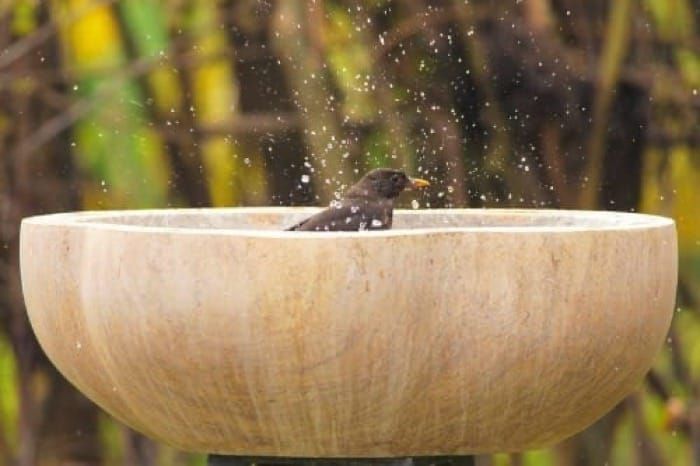
"Providing clean water for drinking and bathing all year round is one of the simplest ways to help garden wildlife. During the summer months it's even more of a lifeline, especially with the recent and ongoing heatwaves and the likelihood of more dry weather in the weeks ahead. But please just ensure the water is changed daily and that the bath is cleaned at least once a week."
Fresh water is one of the best ways to help
During hot weather, natural ponds and puddles can dry up, making it much harder for birds and other wildlife to find water.
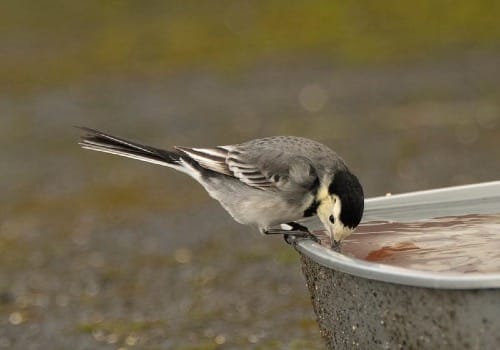
A bird bath, shallow dish or garden pond filled with fresh, clean water can become a welcome oasis. Adding a few stones around the edge creates safe drinking spots for butterflies and insects, while making it easier for hedgehogs, frogs and toads to reach the water too.
To keep birds healthy, the RSPB recommends changing the water every day and cleaning bird baths thoroughly at least once a week.
Feed birds the summer way
Dry weather can make it more difficult for birds to find worms and other natural food, so a little extra help can go a long way.
The RSPB now recommends offering small amounts of mealworms, fatballs or suet between 1 May and 31 October, rather than peanuts or seeds. Protein-rich foods can support adult birds as they feed their young, while reducing the likelihood of disease spreading among finches.
 Good News Post
Bird tables are best avoided during the summer months, as food can quickly become contaminated. Instead, use hanging feeders, clean them regularly and move them around the garden from time to time.
Turn your garden into a wildlife haven
Even small gardens can become valuable refuges for wildlife.
Letting patches of grass grow a little longer, leaving hedges and shrubs nice and full, or creating a quiet corner with leaves and natural planting gives birds, insects and amphibians somewhere cool to shelter during the hottest part of the day.
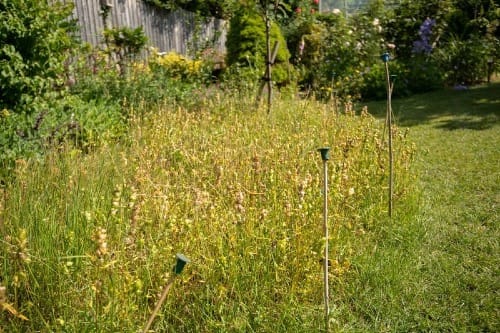
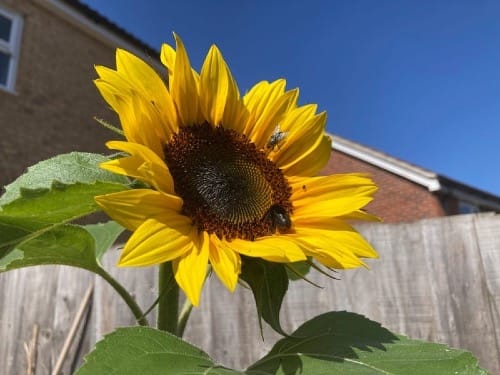
Planting wildlife-friendly favourites such as sunflowers, teasels and ivy also provides natural food sources throughout the seasons, helping gardens buzz with life.
Helping protect our much-loved garden birds
These simple seasonal changes can also help protect some of Britain's best-loved birds.
Greenfinch numbers have fallen by more than 65 per cent since the mid-1990s, with disease playing a significant role in their decline.
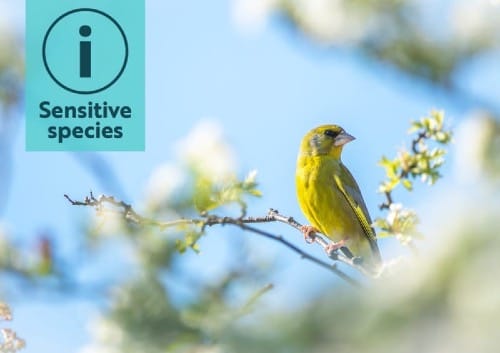
By feeding birds seasonally, keeping feeders and bird baths clean and offering fresh water every day, gardeners can play an important part in helping keep bird populations healthy.
The RSPB's message is simple: Feed safely. Feed seasonally.
With just a few thoughtful changes, gardens can become safe, welcoming spaces where birds and wildlife can flourish all summer long.