Young reporters investigate the truth about our rubbish

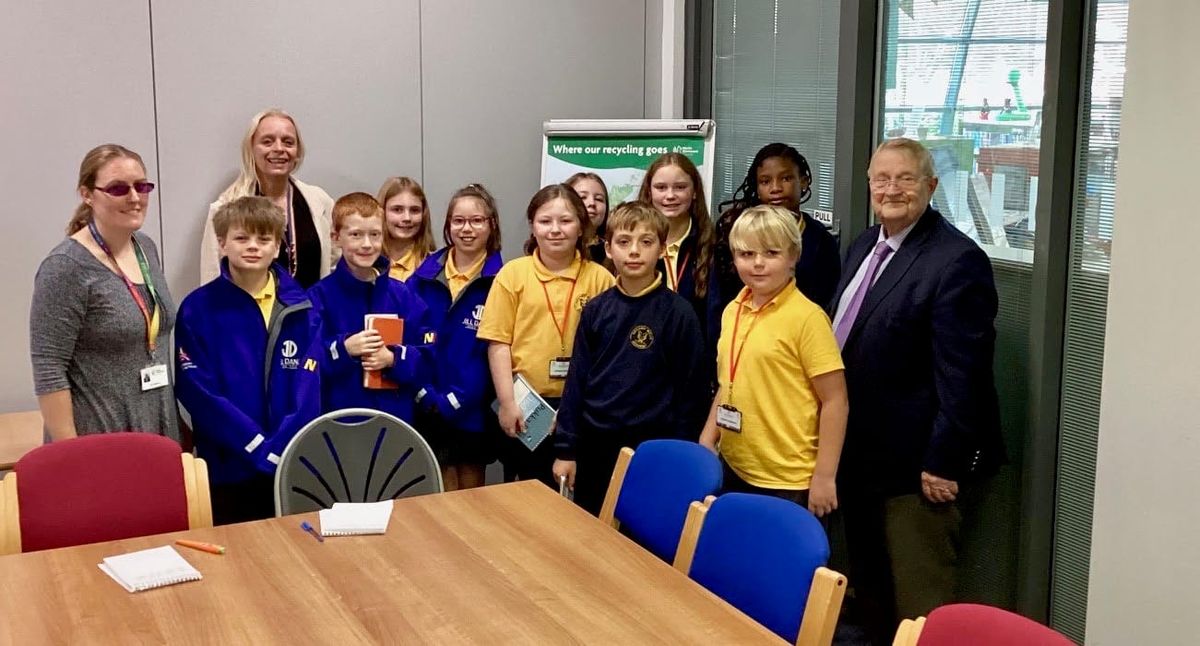
What happens to our rubbish after it’s collected? Herons’ Moor Academy’s young journalists in Weston-super-Mare, North Somerset went straight to the experts to find out — and discovered some surprising answers.
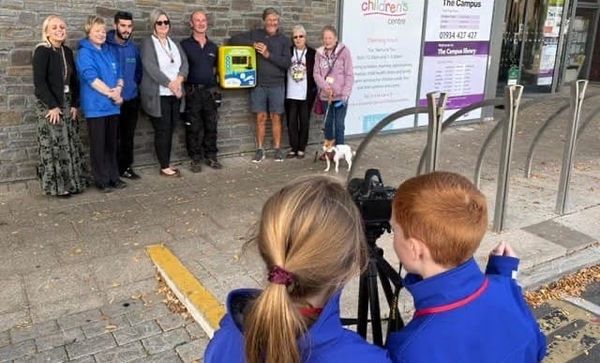
As part of their Good News Room experience, pupils visited The Campus, run by North Somerset Council, to meet the council’s Waste Minimisation and Compliance Officer Lizzie Shepherd and Cllr Peter Crew and investigate what happens to household waste and recycling.
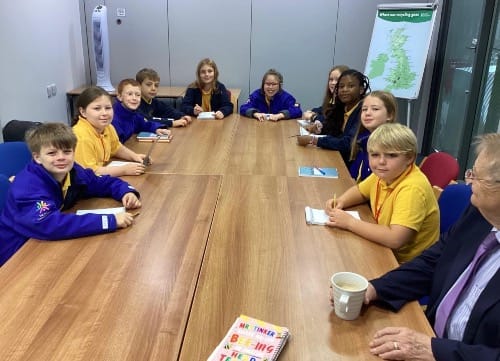
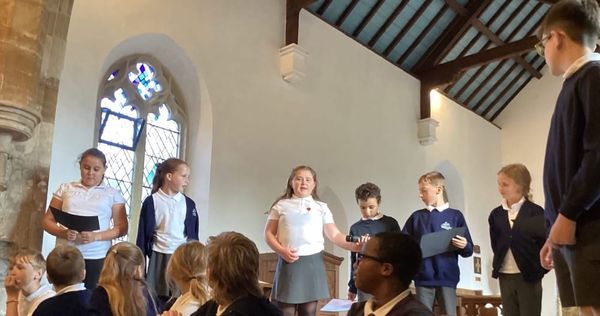
The visit was another opportunity for the young reporters to learn beyond the school gates, meeting people working in their community, asking questions, taking careful notes and gathering information for their own news stories — just as professional journalists do.
A presentation featuring photographs and videos showed what happens to materials collected from homes across North Somerset.
One of the pupils’ key questions was: where does our recycling actually go?
They were surprised to learn that nearly all North Somerset’s recycling stays in the UK.
They also discovered how food waste is processed in an anaerobic digestion plant — sometimes described as a “giant stomach” — to generate electricity to power homes and produce fertiliser for farmers.
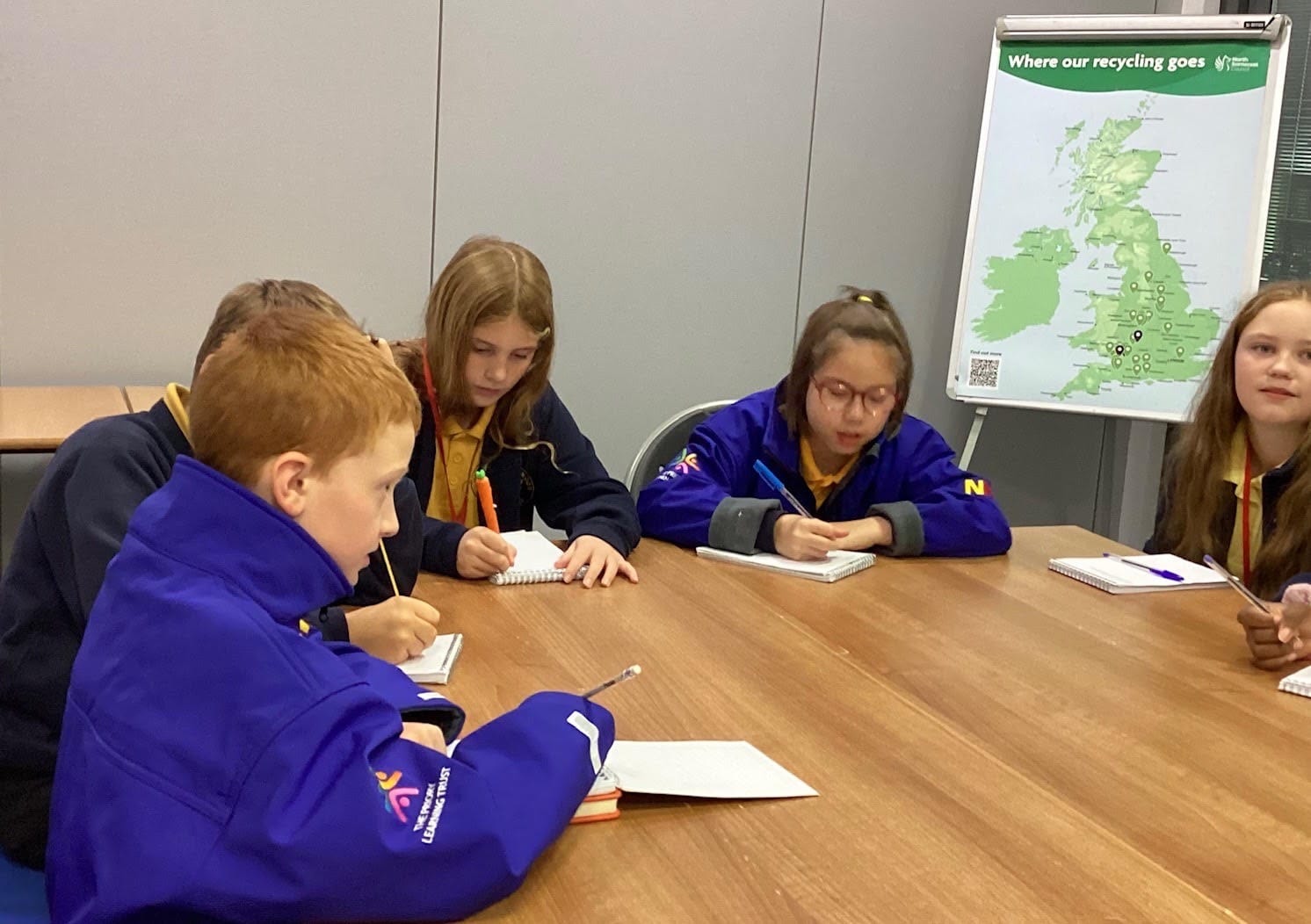
The session sparked lively discussion about packaging, the environmental impact of everyday purchases and how people can reduce waste by reusing items wherever possible.
Herons’ Moor Academy headteacher Georgie said:
“This was an incredible learning experience for our young reporters, bringing the whole subject of waste management to life. They discovered what really happens to our rubbish and recycling once it is collected, how waste can be turned into something useful, and the important role we all play in protecting our environment.
“Experiences like this give our pupils the chance to ask questions, meet people working in the real world and develop the confidence and skills to become outstanding young journalists.”
Lizzie Shepherd said she hoped the young people enjoyed the session as much as the council team did and looked forward to reading their stories.
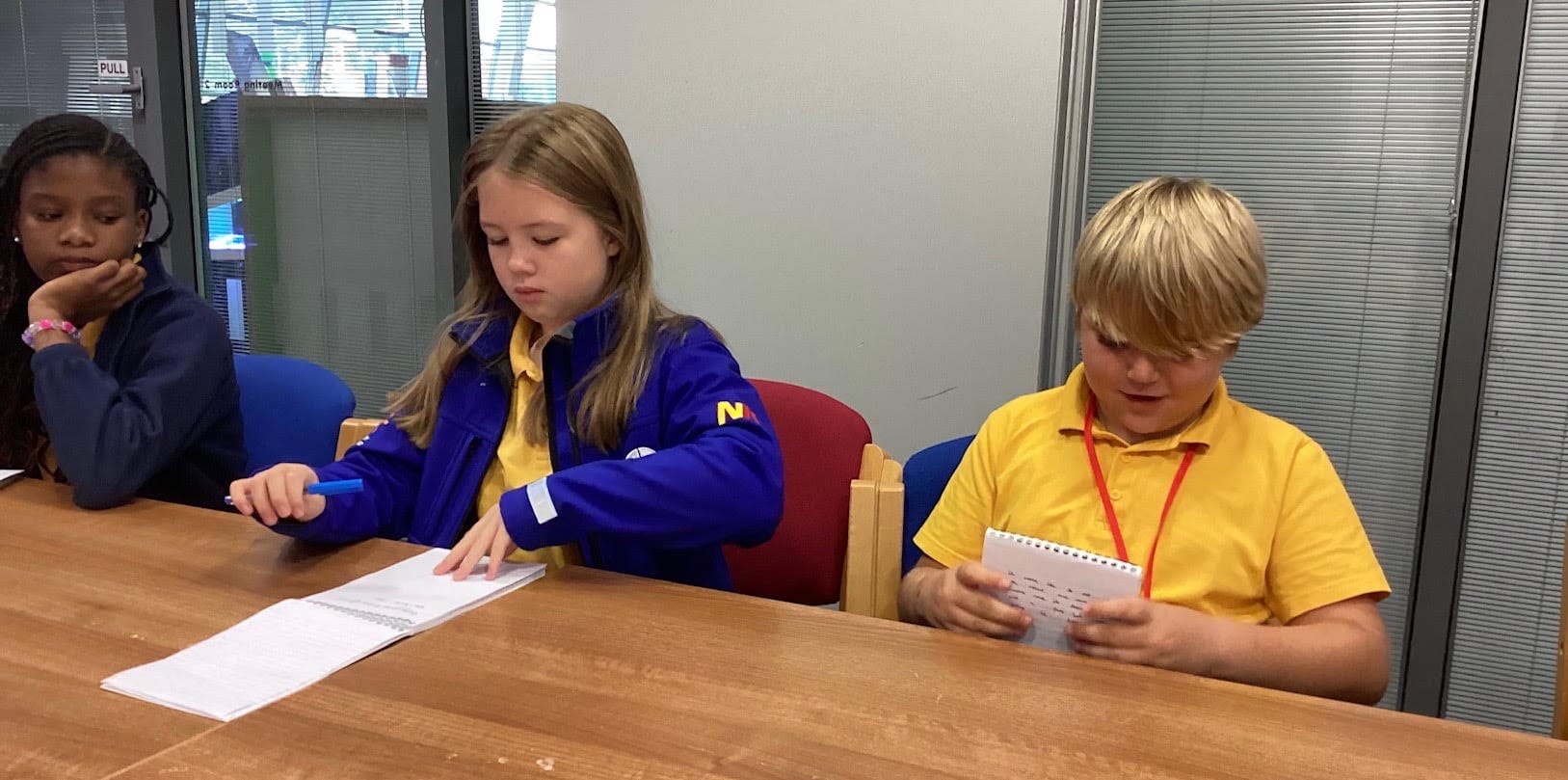
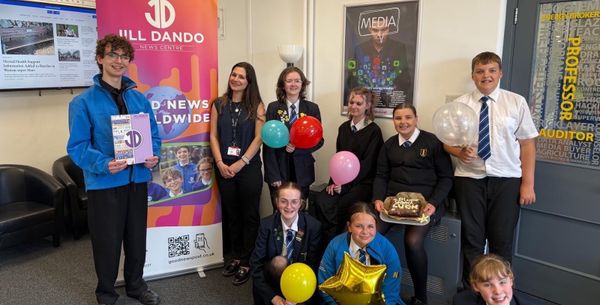
Good News Post establishes Good News Rooms in schools, giving young people aged 4–21 the opportunity to become reporters, investigate real-life stories and develop confidence, literacy, communication and valuable life skills.
Inspired by BBC presenter Jill Dando and her belief in journalism with a smile, the Jill Dando News project encourages young people to report positive, informative stories with kindness, empathy and enthusiasm.
Good News Post was founded in 2011, with Jill Dando News launching in 2016 in memory of Jill, a former Worle pupil.
SEE MORE:
 our newest reporters
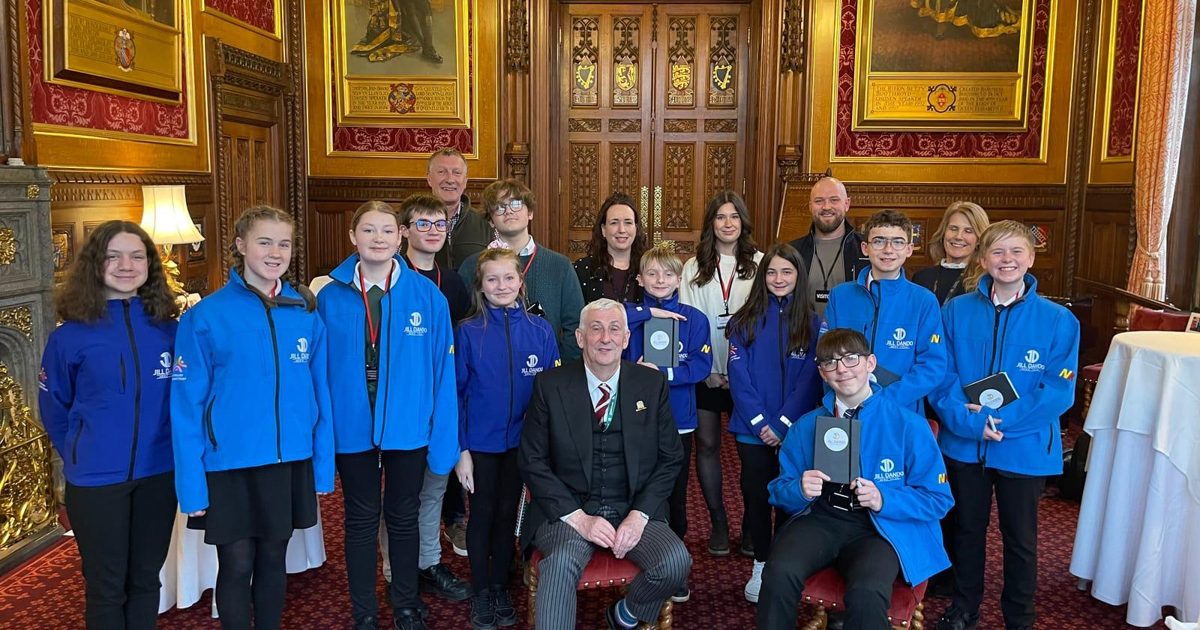
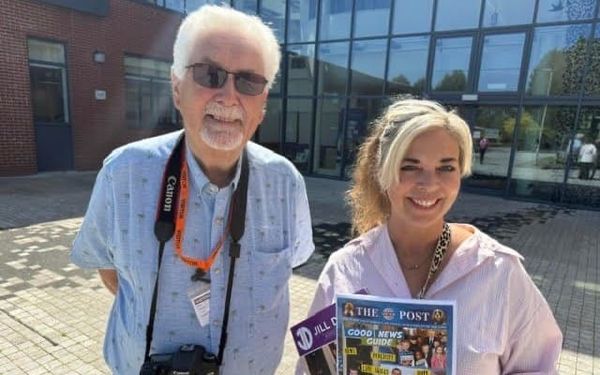
Herons’ Moor pupils have benefited from journalism training hosted by Nigel Dando, David Kenneford, Janet Williams and BBC journalist Cheryl Dennis.
Older reporters from Priory School and some Worle School pupils, meeting by Weston Town Council, have also helped with the training.
Jill Dando began her career at the Weston Mercury before becoming one of the best journalists in the country, alongside her kind warm and empathetic manner.
The building is now the base of Weston Town Council.
The Good News Post’s initiative is expanding across the UK and beyond, helping young people build confidence, develop real-world skills and find their voice.
Find out more at www.goodnewspost.org or email pippa@goodnewspost.co.uk.