
AI Eye Scans Could Help Detect Heart and Brain Disease Earlier, Study Finds

By Health Correspondent
Routine eye tests could one day help identify people at risk of conditions such as heart disease, dementia and Parkinson's disease, according to new research.
Scientists at the University of Manchester analysed eye scans and health records from more than 68,000 people taking part in the UK Biobank study.
Using an artificial intelligence tool developed by the research team, they examined whether images of the eye could reveal clues about a person's wider health.
The study found links between features visible in eye scans and a range of conditions, including high blood pressure, heart failure, heart attacks, dementia and Parkinson's disease.
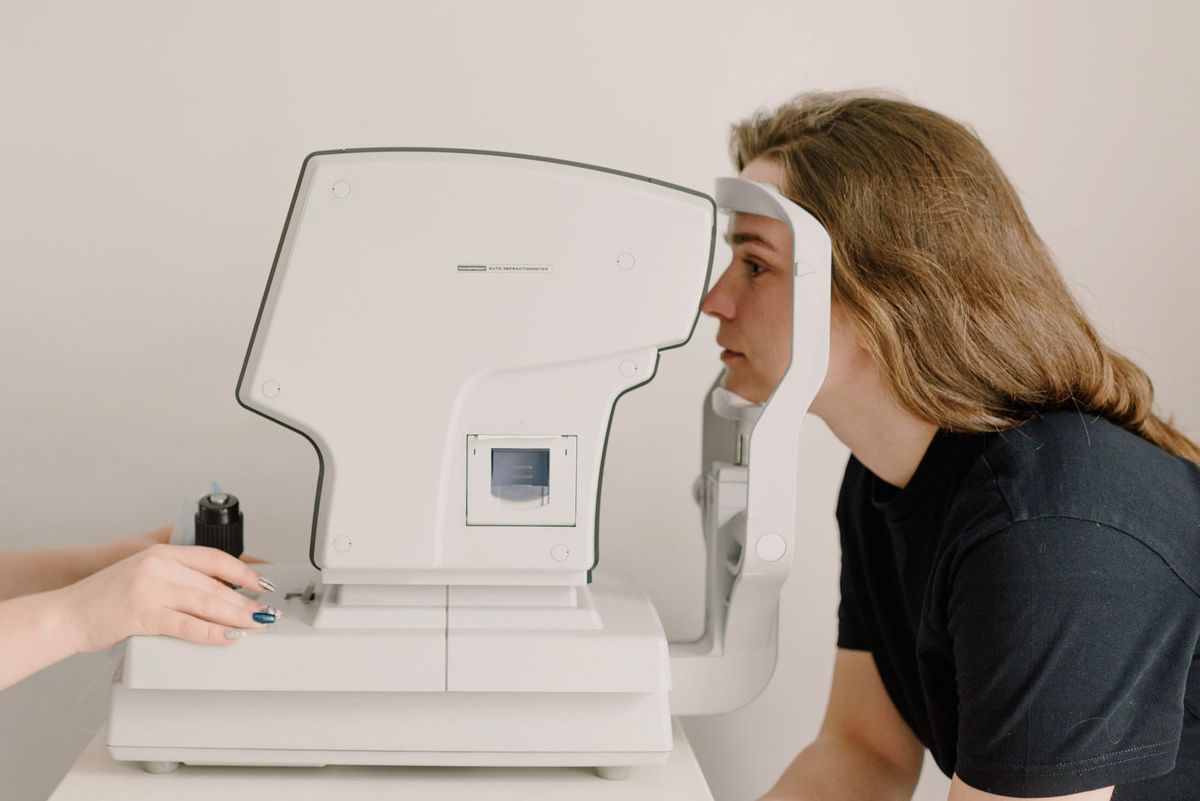
Researchers looked at two types of scans already commonly used by opticians – optical coherence tomography (OCT), which creates detailed images of the inside of the eye, and colour photographs of the retina.
The findings suggest the two scan types may provide different health information.
OCT scans appeared to have stronger links with neurological conditions, while retinal photographs showed more associations with cardiovascular health.
The team also found connections between eye characteristics and blood pressure, blood vessel health, brain structure and genetic markers linked to neurodegenerative diseases.
 Good News Post
Researchers stressed that the technology is not ready for use as a routine screening tool and further work is needed before it could be introduced into everyday healthcare.
However, they believe the results highlight the potential for eye tests to provide information about a person's general health, alongside their current role in checking eyesight.
The study has been published in the journal Nature Cardiovascular Research.