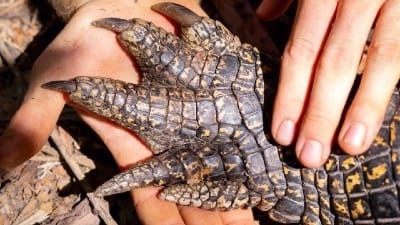
Brazil Bans Donkey Slaughter in Landmark Animal Cruelty Ruling

By Animals Correspondent
Brazil has taken a major step to protect its donkeys after a court ruling banned their slaughter in one state—forcing the closure of the country’s last remaining donkey slaughterhouse.
A Federal Court in Bahia ruled that donkey killings must stop immediately, citing animal cruelty, health risks and fears the animals could disappear altogether.
The decision means the main slaughter site in Amargosa will shut, and animals must be removed from farms, transport and facilities linked to the trade.
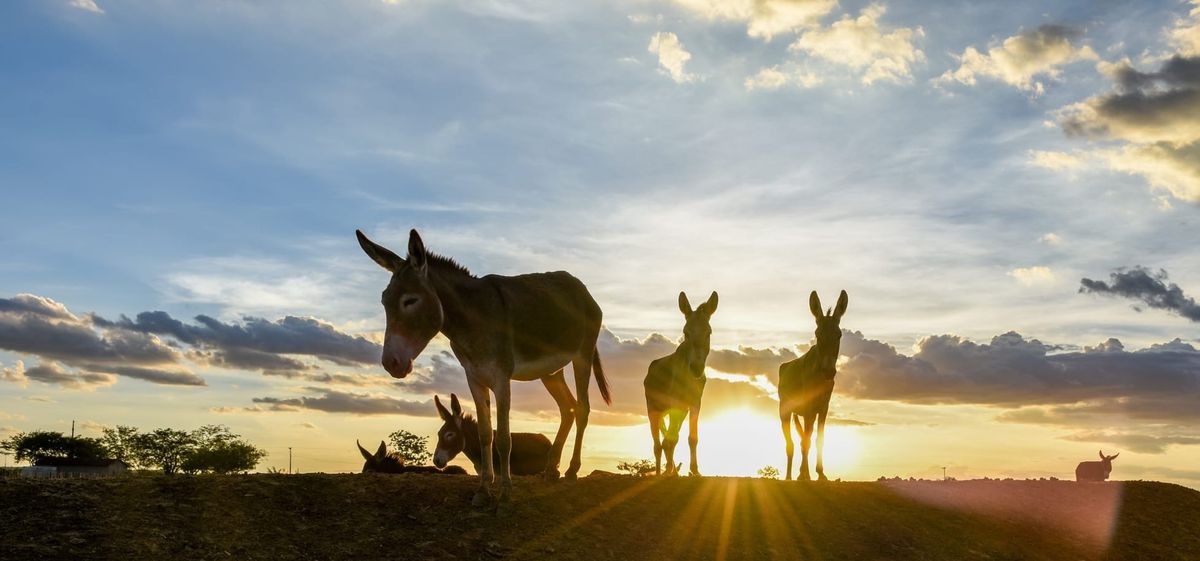
The ruling comes as Brazil’s donkey population has collapsed by a shocking 94% since 1996, according to official figures.
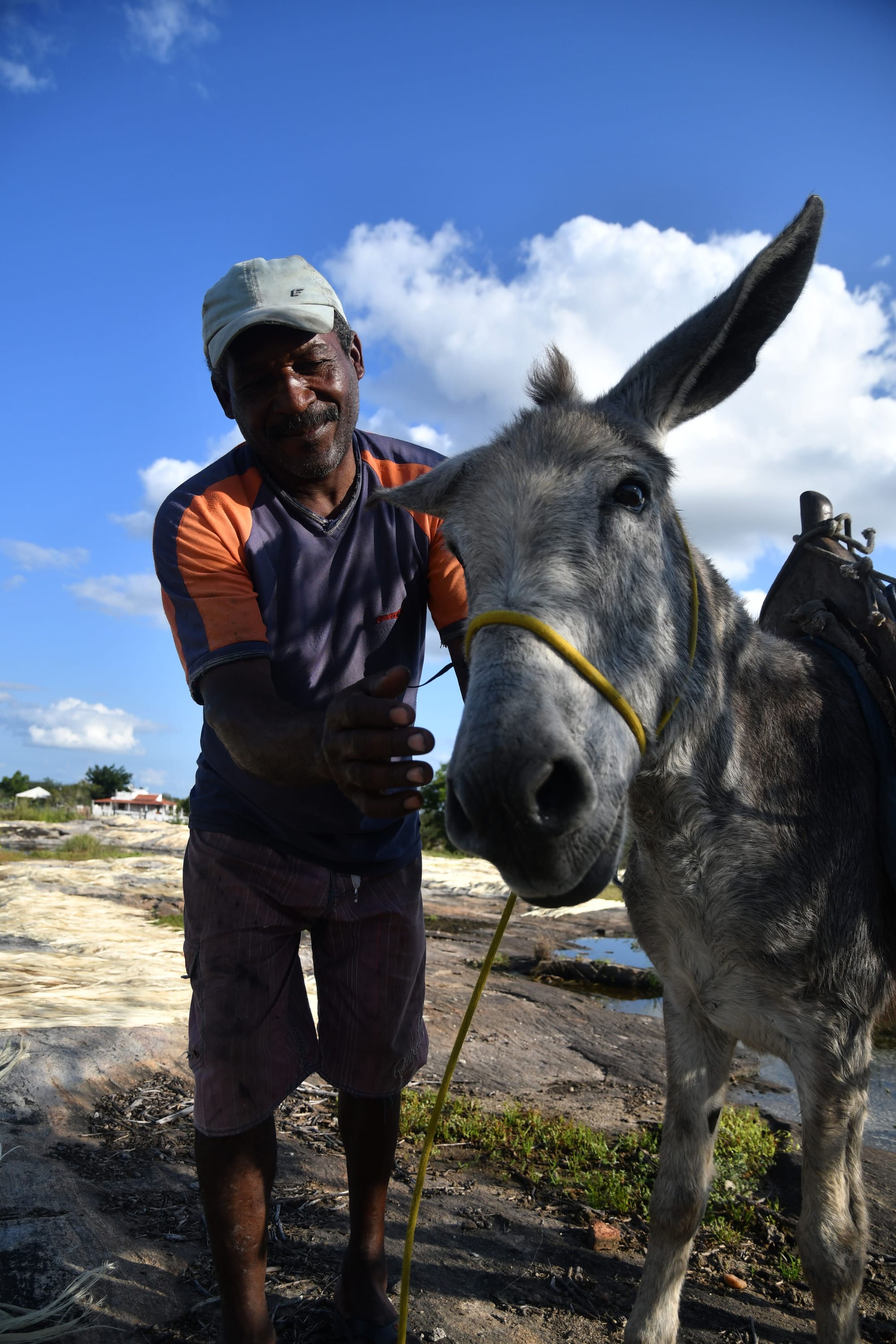
Experts say the decline has been driven largely by demand for donkey skins, which are exported to China to make ejiao—a traditional medicine made from collagen.
 Good News Post
Globally, millions of donkeys are killed every year for this trade, raising serious concerns among scientists and animal welfare groups. Many warn it cannot continue without putting the species at risk.
The case was brought by a coalition of animal protection organisations, including The Donkey Sanctuary, alongside several Brazilian groups.
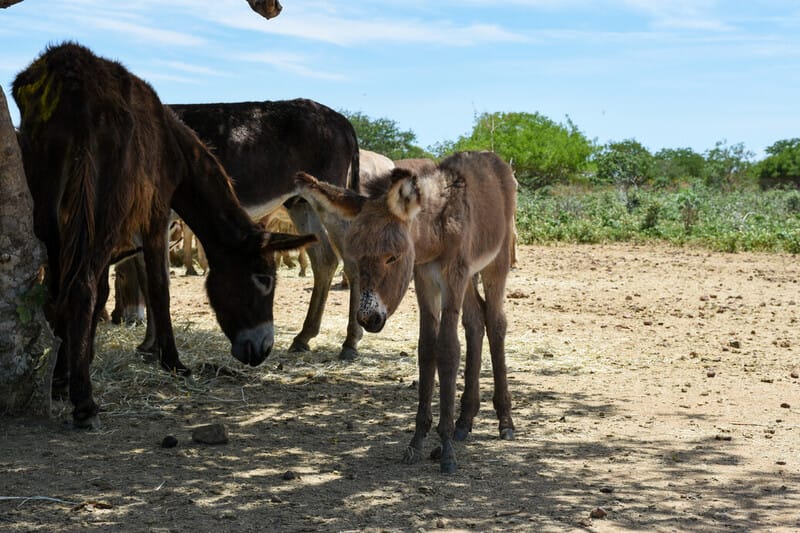
Judge Arali Maciel Duarte said there was clear evidence of cruelty and serious failings in how the trade operates, as well as a real risk to the future of donkeys in the region.
Campaigners welcomed the decision as a breakthrough moment.
Dr Patricia Tatemoto, from The Donkey Sanctuary, said the ruling shows growing recognition of the harm caused by the skin trade and the need to protect animals that are important to communities across Brazil.
However, the ban currently only applies to the state of Bahia and does not automatically extend across the whole country. Slaughterhouses can still operate if they handle other animals and follow the law.
Campaigners are now calling for a nationwide ban to fully end the trade.
Experts say work is already underway to find alternatives, including new ways of producing collagen without using animals.
While more action may be needed, the ruling is being seen as a major step towards ending a trade that has raised global concern.