Dartford Warbler Numbers Hit Record High on RSPB Nature Reserves

By Conservation Correspondent
Rare heathland bird sees population boost after habitat restoration work
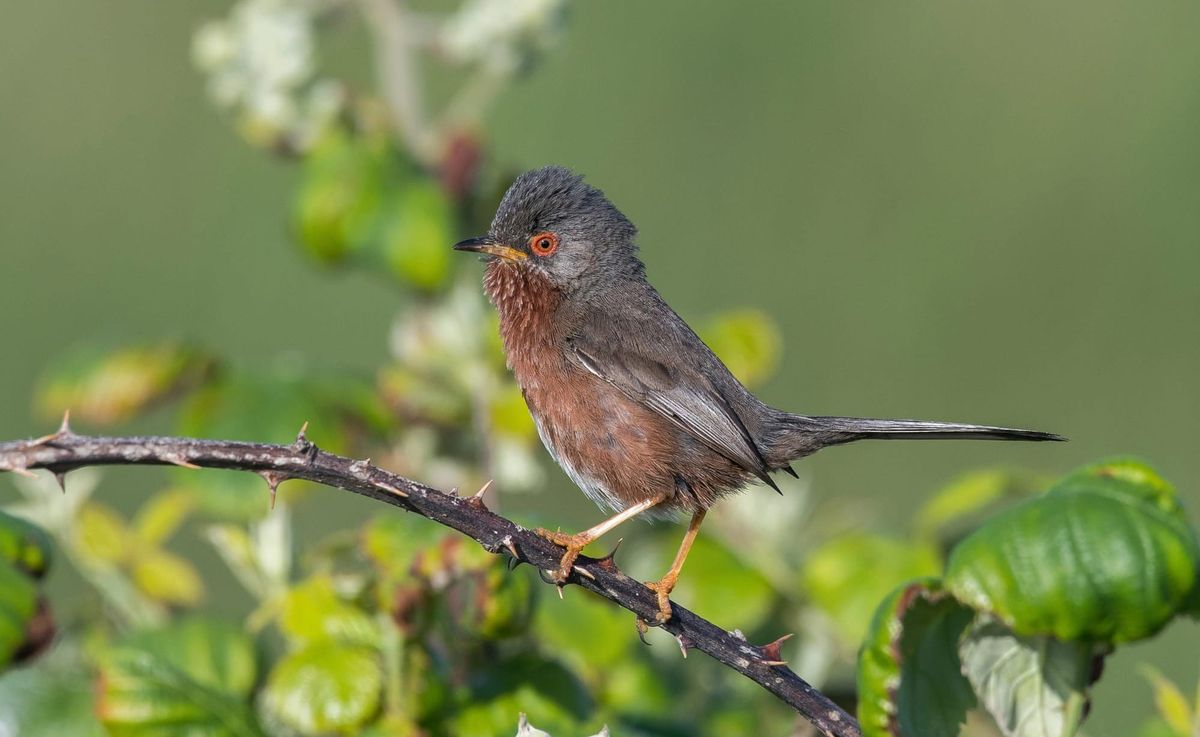
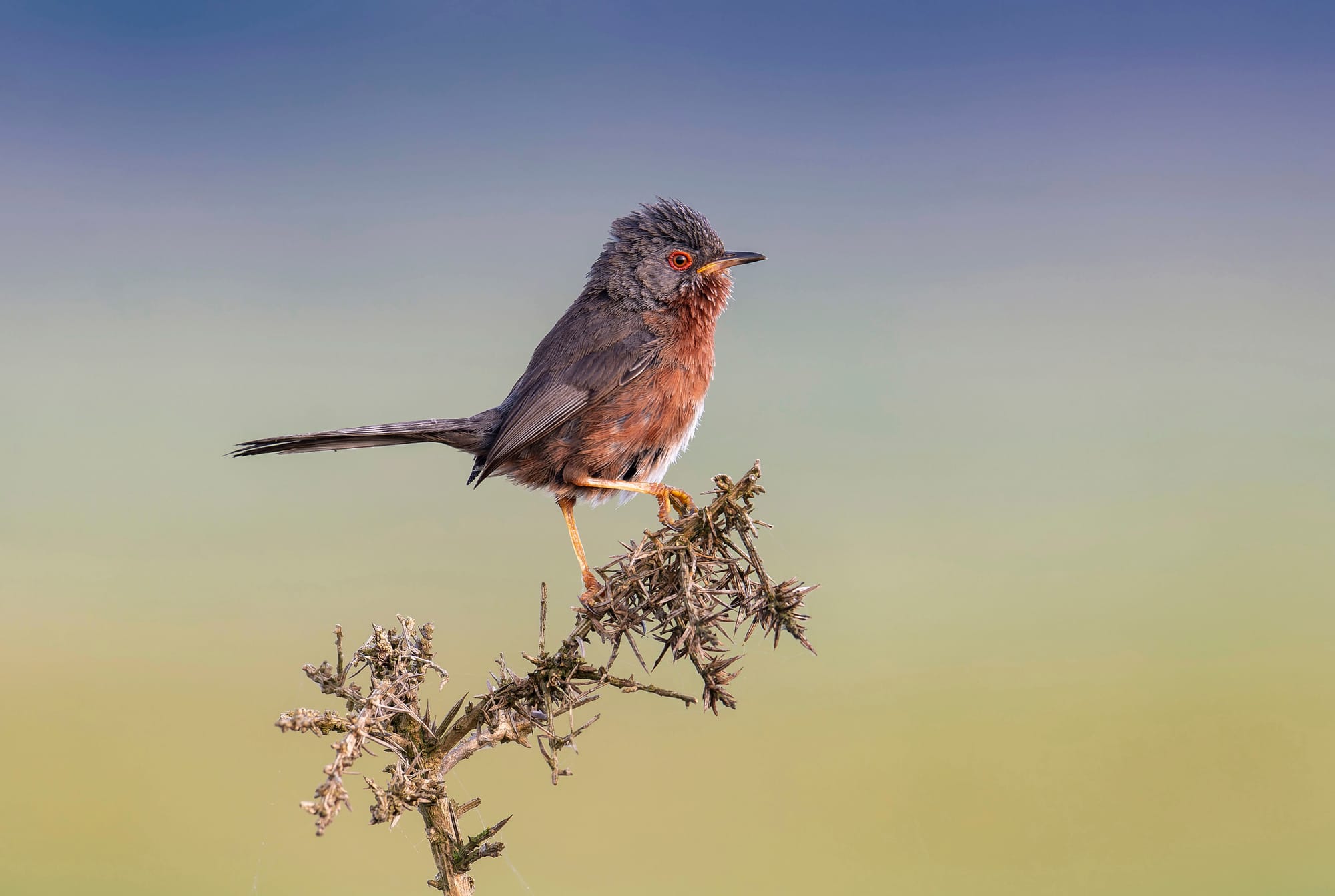
Dartford Warbler numbers have reached a record high on RSPB nature reserves, with conservationists recording 264 breeding pairs during 2025.
The rare heathland bird, once close to extinction in the UK, has benefited from years of habitat restoration across southern England, according to the RSPB.
New figures from the recent Heathland Birds Survey also estimate the UK population has risen to around 4,100 territories, compared with 3,200 recorded during the last national survey in 2006.
The birds were spotted across 14 RSPB reserves, including a record 97 pairs at RSPB Arne in Dorset. Other strong populations were recorded at Minsmere, Aylesbeare, Farnham Heath and Broadwater Warren.
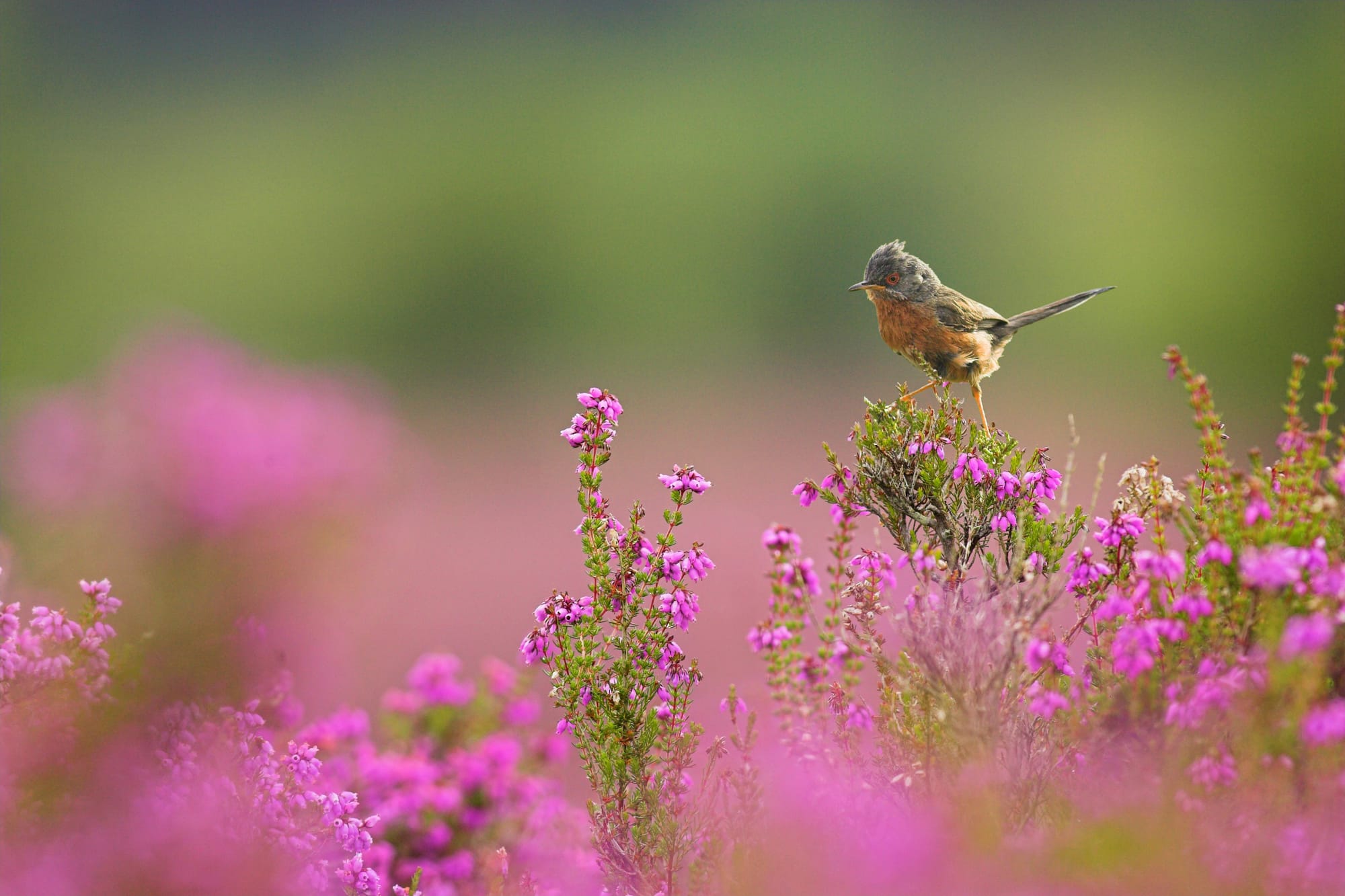
Dartford Warblers rely on lowland heathland and dense gorse for nesting and shelter. The habitat has declined sharply in the UK, with around 80% lost since the 1800s due to forestry and development.
RSPB teams and volunteers have spent years restoring heathland by removing conifer plantations and reconnecting fragmented areas of habitat.
Peter Robertson, senior site manager at RSPB Arne, said:
“Staff and volunteers have helped connect and enlarge fragmented patches of precious heathland to give wildlife, such as the distinctive Dartford Warbler, the space to thrive.
“Visiting heathland during summer, the sound of Dartford Warblers singing is everywhere. Being able to hear those calls is the perfect reminder that the hard work is paying off.”
More than 1,200 volunteers and surveyors took part in the UK-wide Heathland Birds Survey carried out by the RSPB, BTO and Natural England.
 Good News Post
Dr Greg Conway, senior research ecologist at the BTO, said the results showed how important protected heathland sites are for threatened bird species.
He said: “With the creation and improvement of more suitable sites, we can hope to see continued range expansion, and population increases in the future.”