
Gen Z Rediscovers Nature Through Birdwatching

By Nature Correspondent
Nearly three-quarters of a million young people in Britain now regularly go birdwatching, with participation among 16–29-year-olds rising more than tenfold since 2018, according to new research published by the Royal Society for the Protection of Birds (RSPB).
The study, conducted by Fifty5Blue, found a 1,088% increase in Gen Z birdwatchers over the past six years, making it the second fastest-growing hobby for that age group after jewellery making.
Across all age groups, birdwatching has also surged, with a 47% rise since 2018—equivalent to more than four million people in Great Britain now taking part regularly.
Millennials recorded a 216% increase, while Gen X participation rose by 66%.
The findings are released ahead of International Dawn Chorus Day on Sunday 3 May, when birdsong reaches its seasonal peak. The RSPB is urging people to wake early and experience the event, which typically begins around 45 minutes before sunrise.
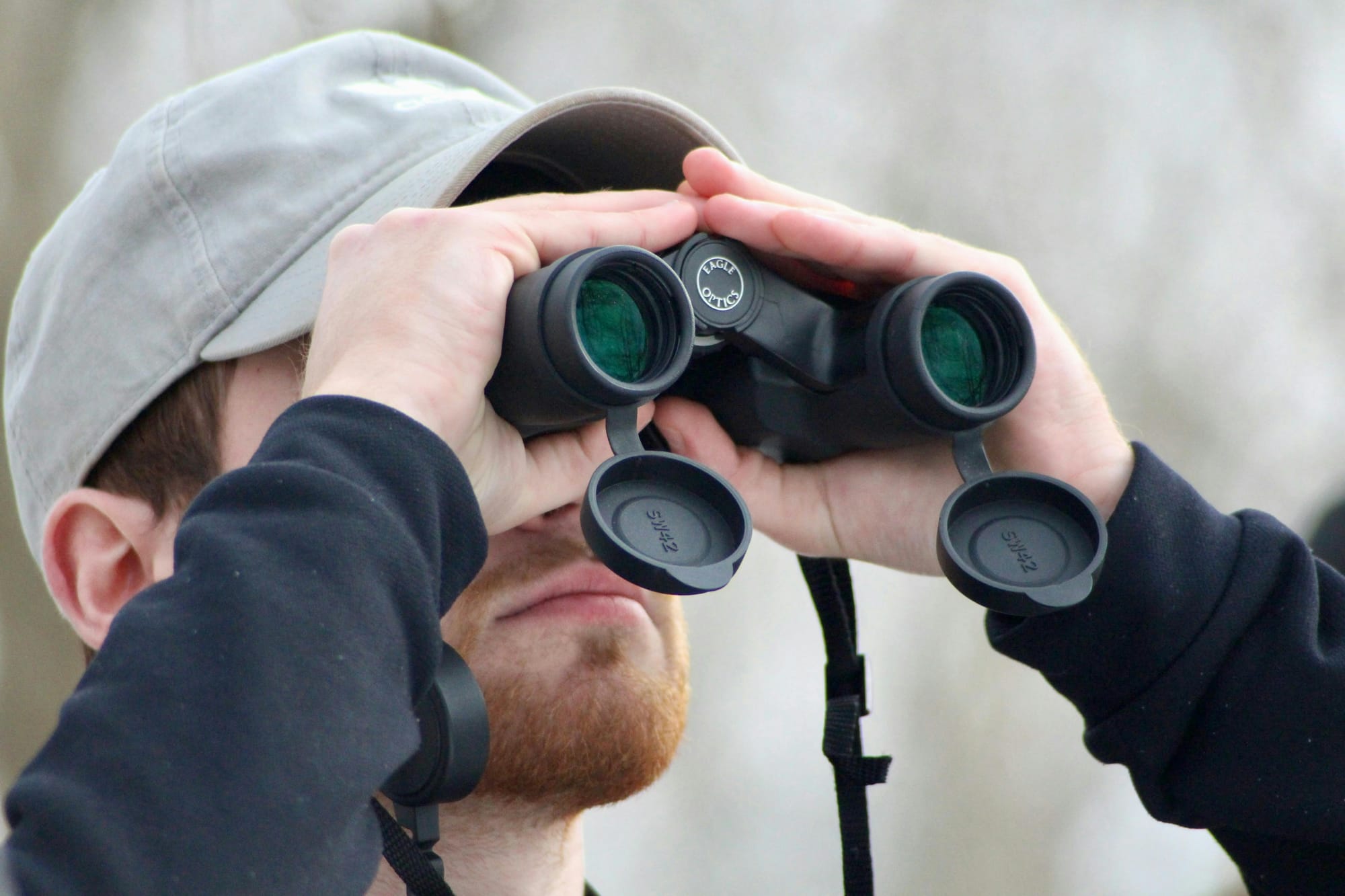
Jess Painter, 24, from the RSPB Youth Council, said social media is helping redefine birdwatching as more accessible and appealing to younger audiences, offering “moments of peace” and connection with nature.
Wildlife expert Molly Brown of the RSPB said the hobby is no longer seen as niche or old-fashioned, adding that it encourages people to spend time outdoors, discover green spaces and slow down.
Health benefits are also highlighted by the RSPB’s president, Dr Amir Khan, who said exposure to nature can boost mood by increasing serotonin levels.
He cited evidence that listening to birdsong and engaging with nature can support mental wellbeing and may even help slow age-related cognitive decline.
Dr Khan also referenced the biophilia hypothesis, which suggests humans are instinctively drawn to the natural world.
DON'T MISS:
 Good News Post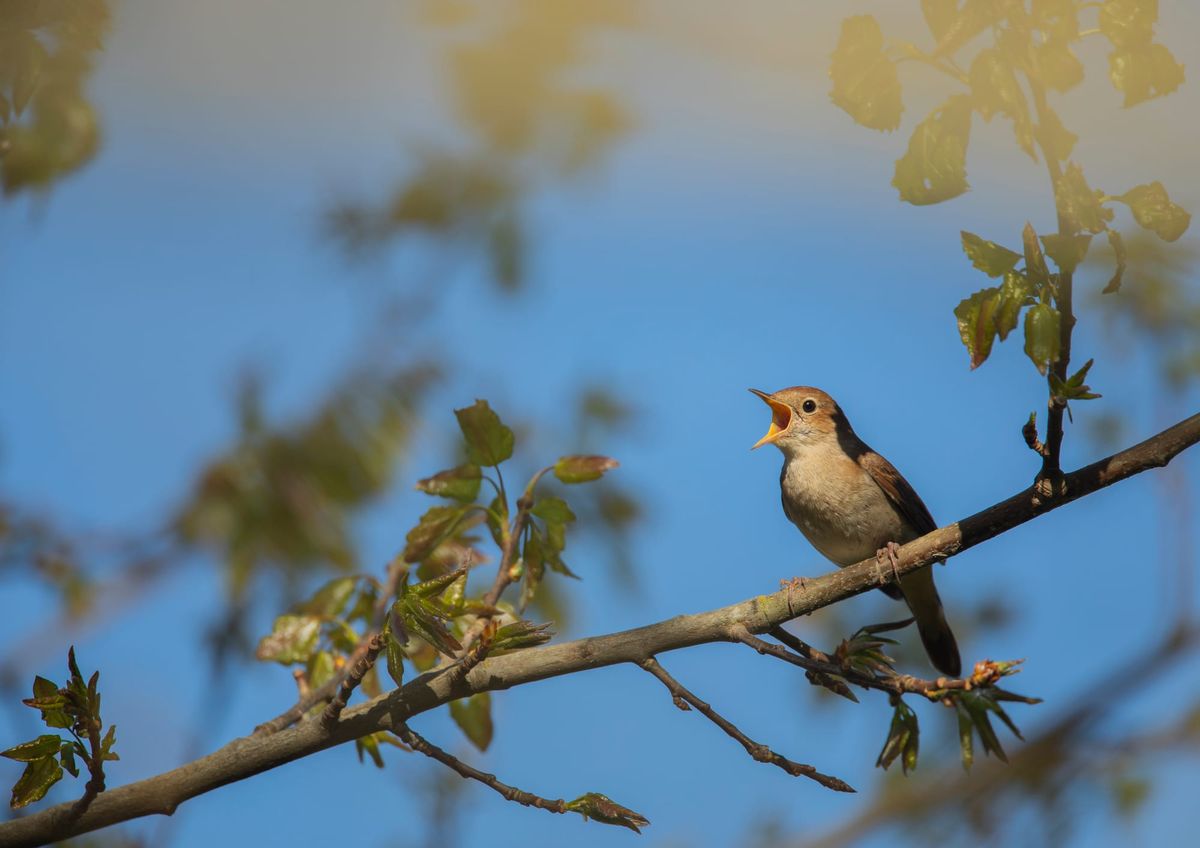
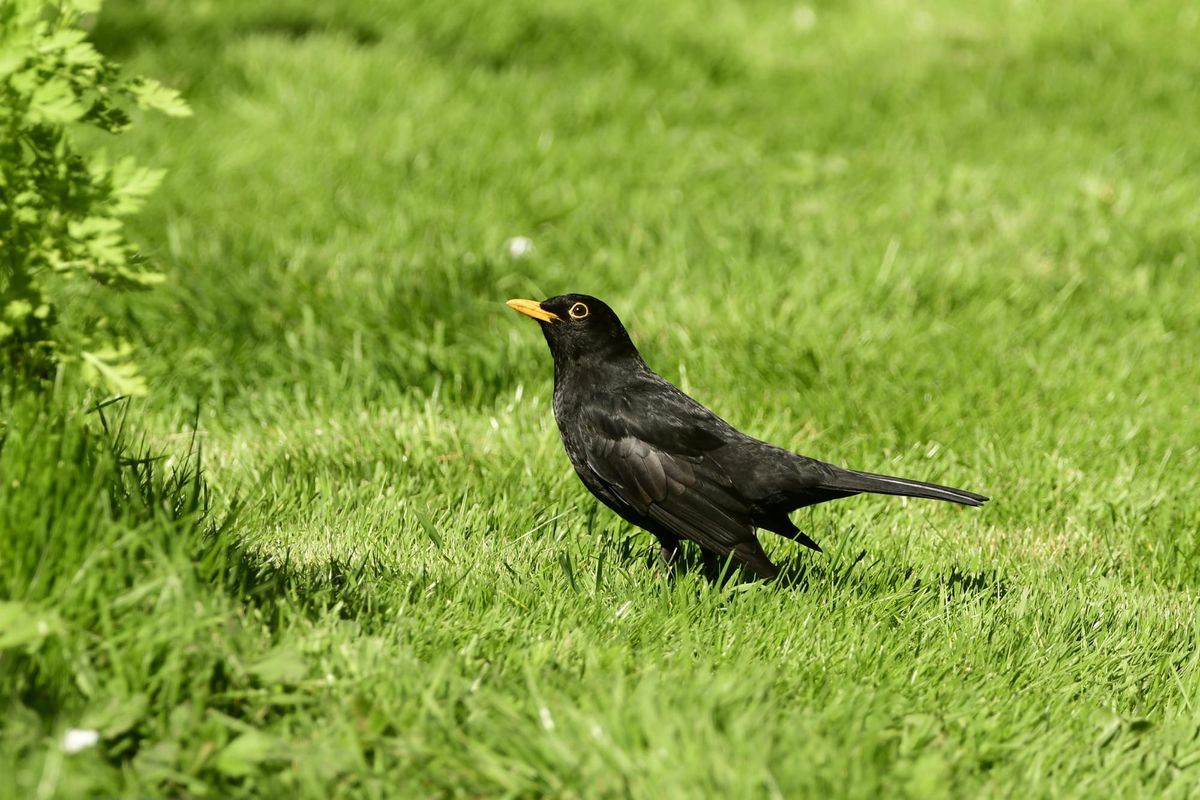
He said birdsong—particularly from species such as blackbirds and song thrushes—is among “the purest joys of life”.
The RSPB is encouraging people to mark the occasion by opening a window, heading outdoors or visiting a nature reserve to experience the dawn chorus at its peak.
To see more about the RSPB click here