Rare Orchid Found as Devon Sanctuary Celebrates Wildflower Success

By Conservation Correspondent
The hot summer weather has helped to ensure a bumper year for orchids at The Donkey Sanctuary in East Devon, and among them one of the country’s more unusual species has been spotted growing in sanctuary woodland.
The bird’s-nest orchid was recently discovered by eagle-eyed Ecology Officer Helen Cavilla, whilst working in woodland on Paccombe Farm, one of the Sanctuary’s sites near Sidmouth.
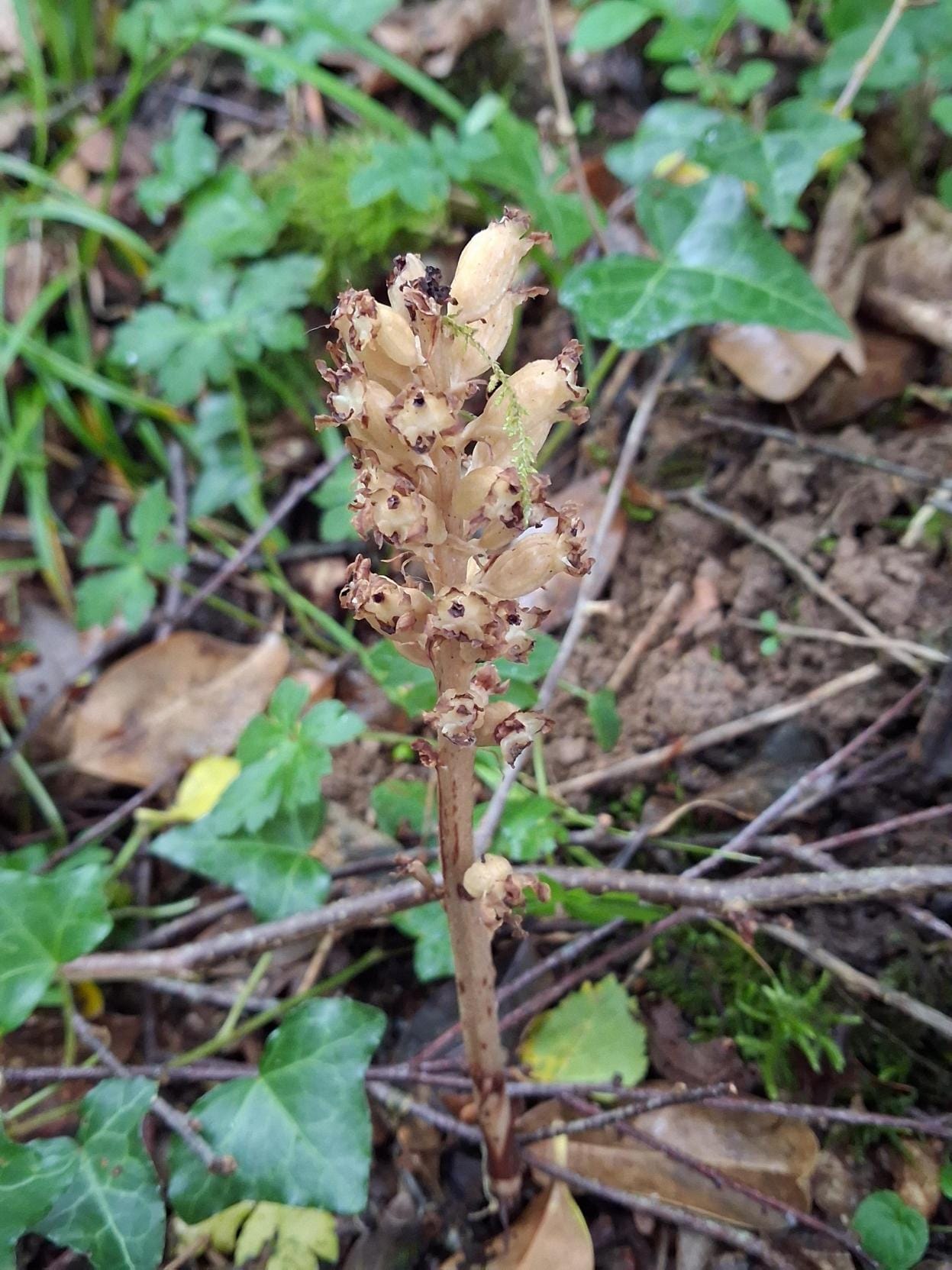
The uncommon orchid, which is classified as ‘Near Threatened’ across Great Britain, is easily overlooked thanks in part to its drab, rather sickly-looking appearance.
The leafless orchid, with its brownish-yellow flowers, lacks the green chlorophyll of other plants which gain energy from sunlight, instead it taps into the fungal associations linked to tree roots.
Despite this, the unusual species proved an interesting find for Helen, and a first for sanctuary records.
Helen Cavilla, explains:
“Throughout June with the help of our team of volunteers, we have noted record numbers of orchids, and spotting the bird’s-nest orchid in the woodland was such a lucky find.
“After thinking it was an isolated specimen, one of our wonderful conservation volunteers stumbled upon 4 more together later that afternoon. We could see they were all starting to go over so we were so fortunate to see them before they died off.”
Across on the Sidmouth visitor site things are much more colourful, with a whole host of different orchid species growing along the visitor walkways around the sanctuary.
Visitors may glimpse the flash of vibrant deep purple flowers or plants with delicate lacey white petals as they explore the wider sanctuary.
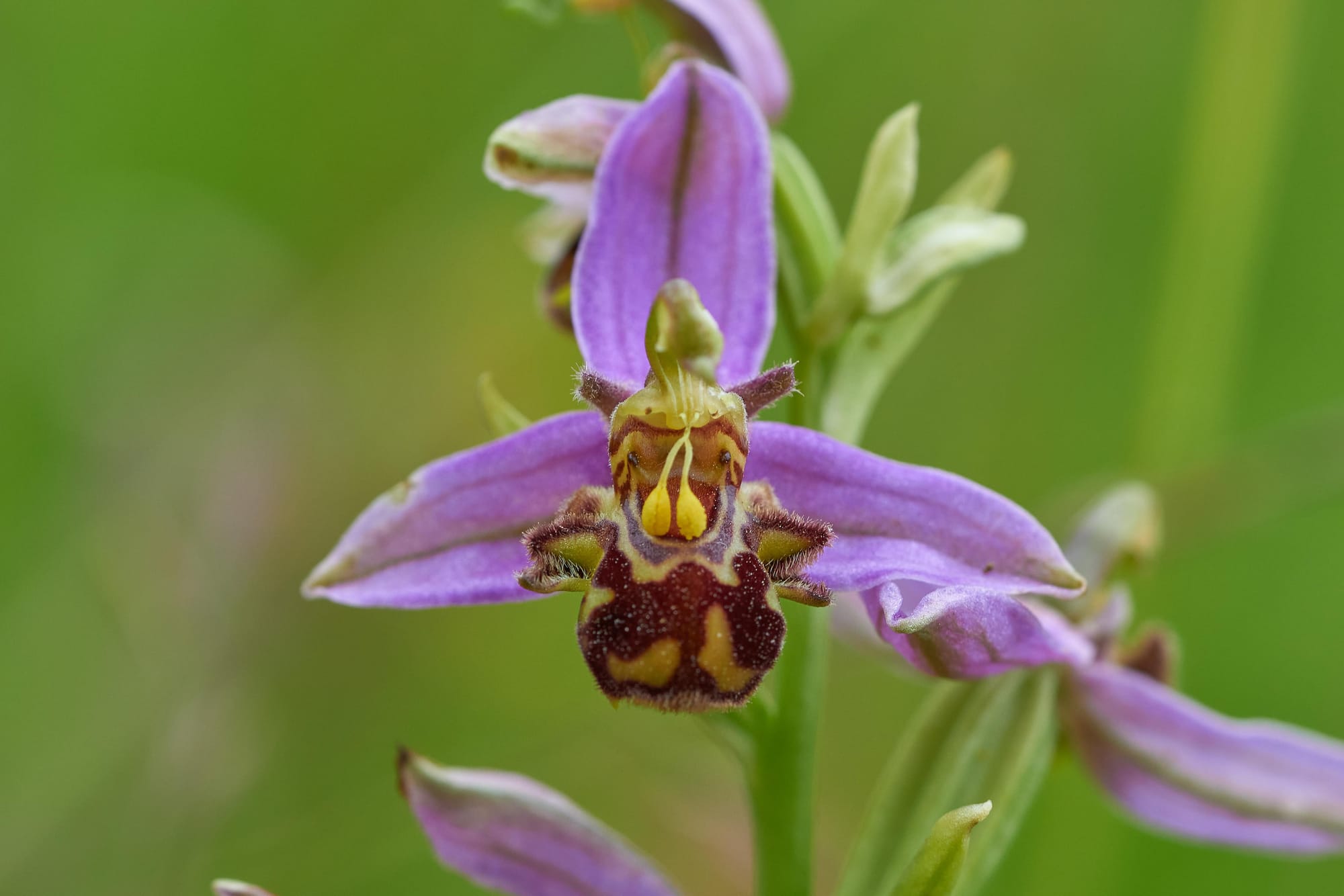
The striking bee orchid is just one of those species that can be seen in abundance at several locations across the sanctuary. As its name suggests, bee orchids mimic the look, texture and even the scent of a female bee, ‘tricking’ male bees into attempting to mate with the flower and in doing so, pick up pollen and transfer it to another orchid.
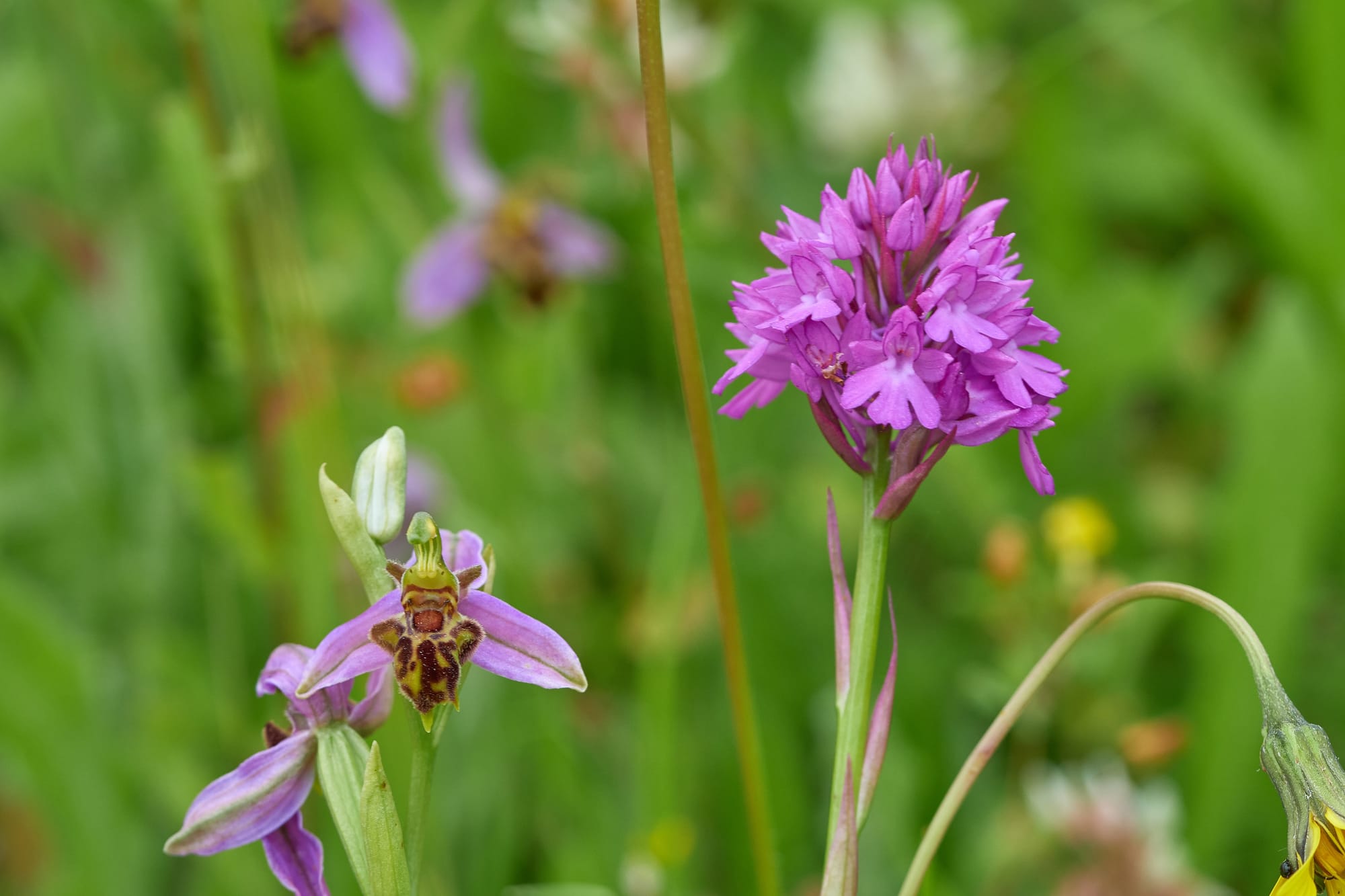
However, in the UK the ‘right’ bee species isn’t present so bee orchids self-pollinate instead, resulting in many variations of the same species such as the wasp orchid.
 Good News Post
To help native wildflowers and grasses to thrive along the miles of walkways that criss-cross the site, the sanctuary’s maintenance team have for several years now, developed a mowing schedule which ensures a variety of grass heights which allows a wider range of species to thrive.
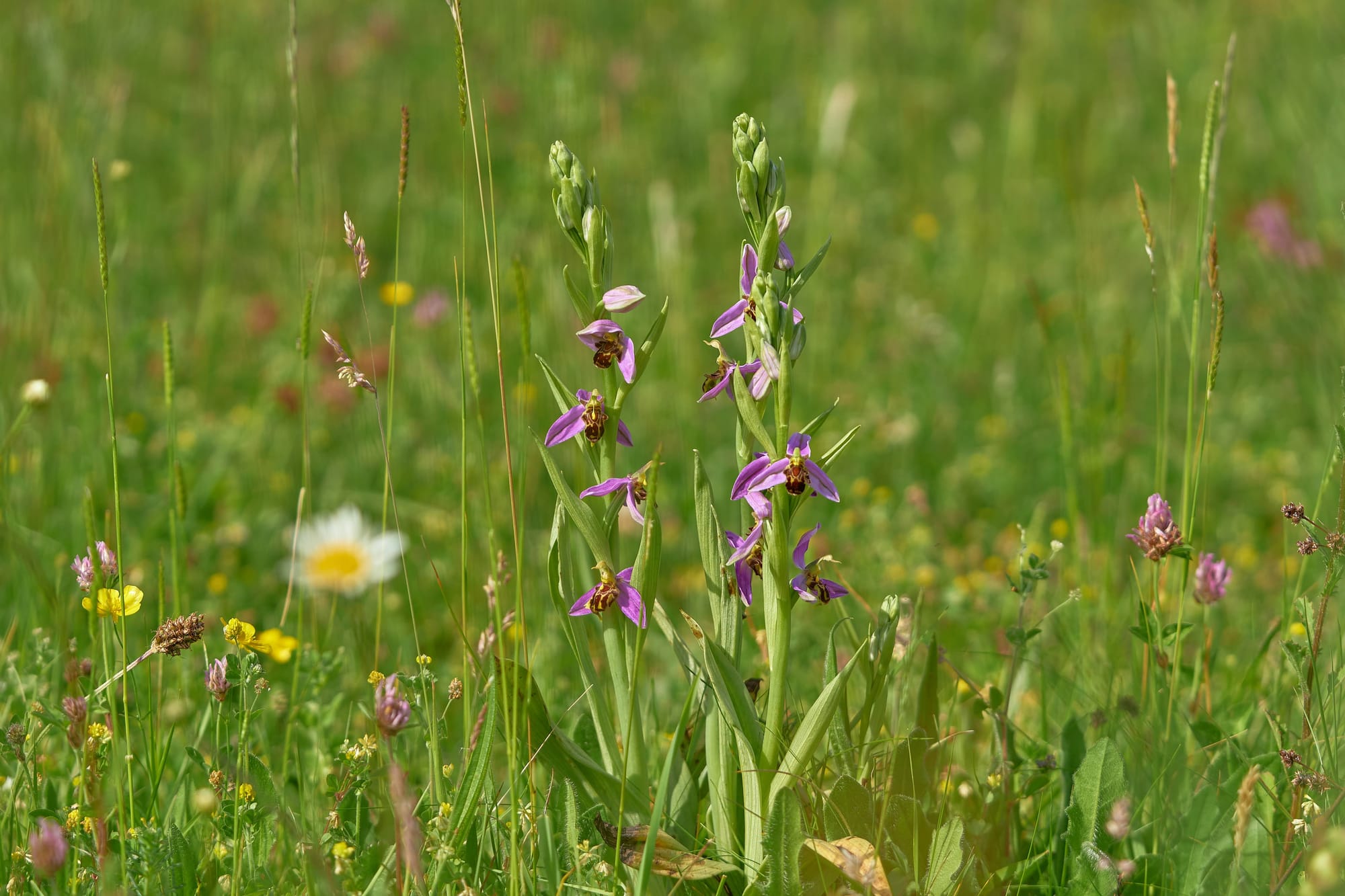
Areas of grasses and wildflowers left to grow tall provide food, shelter and breeding sites to a wide range of insects, which in turn support the birds, bats and small mammals that feed on them, whilst areas mown more frequently encourage low-growing wildflowers to establish, which would otherwise be shaded out.
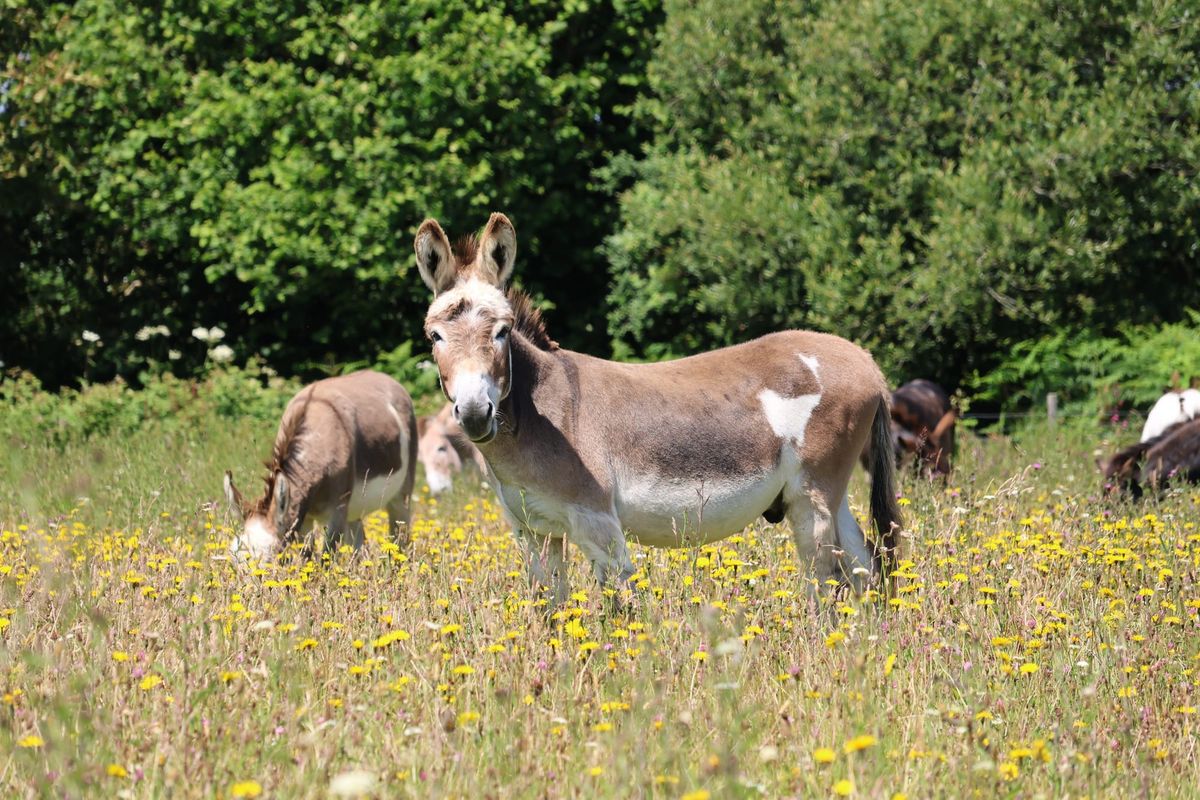
The donkeys who live at the sanctuary play their part too.
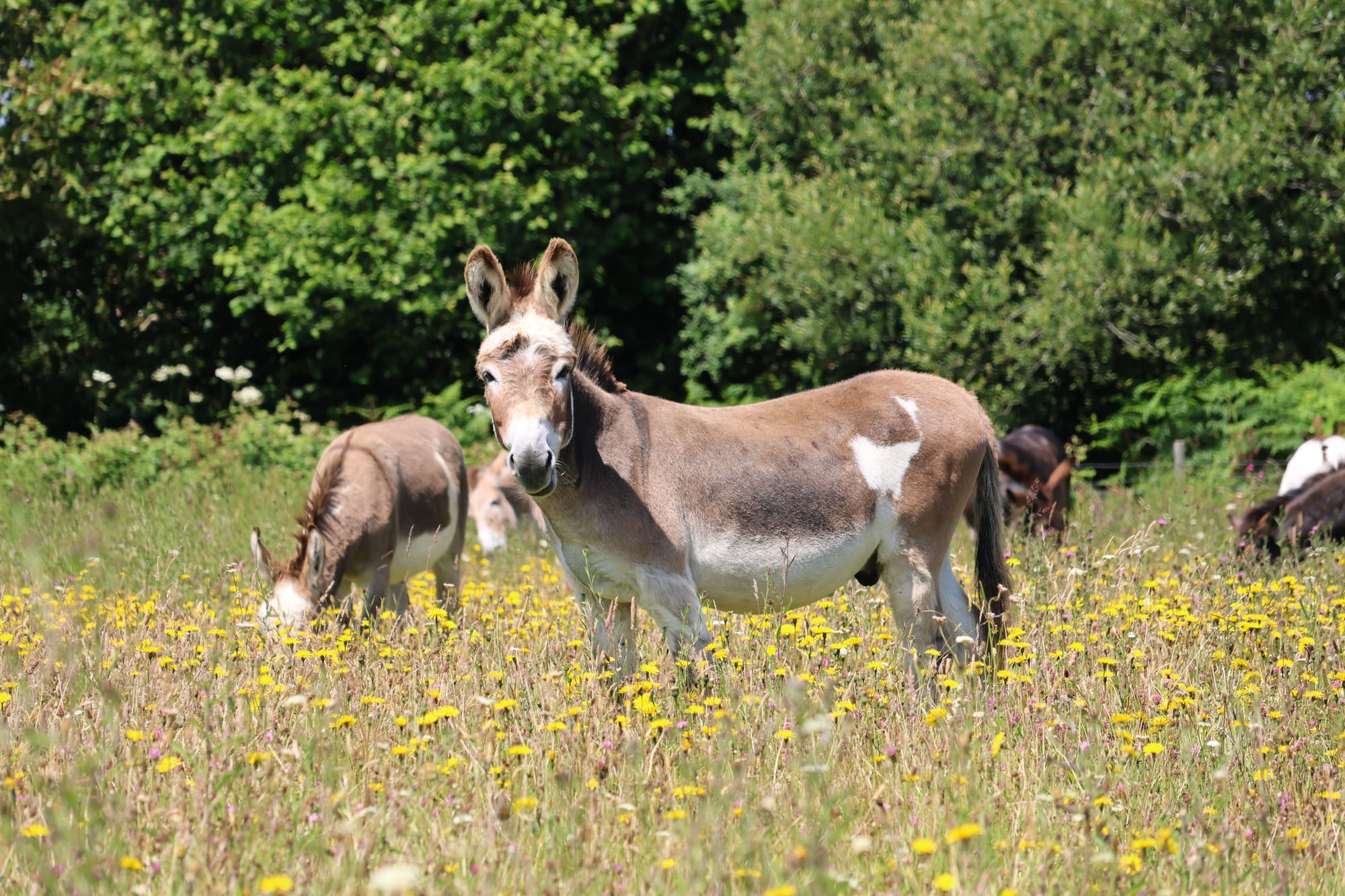
Donkeys love to forage on woody prickly species, which helps create space for the plants that grow closer to the ground to thrive, while their movement through the meadows disperse wildflower seeds and their small hooves help to lightly tread them in.
“Orchids are sensitive to environmental changes and habitat disturbance,” Helen adds: “They are often seen as indicator species, and the sanctuary has seen a year-on-year increase in their numbers.
“This reflects the positive work being done to encourage the growth of wildflowers as part of our wider work to improve biodiversity and create healthy habitats for wildlife, and an enriched environment for our resident herds of donkeys”.
There are more than 50 species of wild orchid in Britain, each one with their own unique appearance, and so far at least eight species have been found at The Donkey Sanctuary.
As it is free to visit, now is great time to explore the sanctuary to see which ones can be spotted.