Scientists Find Drug Could Help Protect Brain Blood Vessels

By Health Correspondent
Scientists say an existing type of drug could one day help treat a rare form of vascular dementia, after new research revealed how the disease damages blood vessels in the brain.
The study, led by the University of Manchester with support from the University of Leicester, looked at a genetic condition called CADASIL. This rare illness is caused by faults in a gene known as NOTCH3 and can lead to strokes, memory problems and early dementia.
Vascular dementia happens when blood flow to the brain is reduced.
Over time, this can damage thinking and memory. In conditions like CADASIL, the small blood vessels in the brain become damaged, increasing the risk of repeated small strokes.
 Good News Post
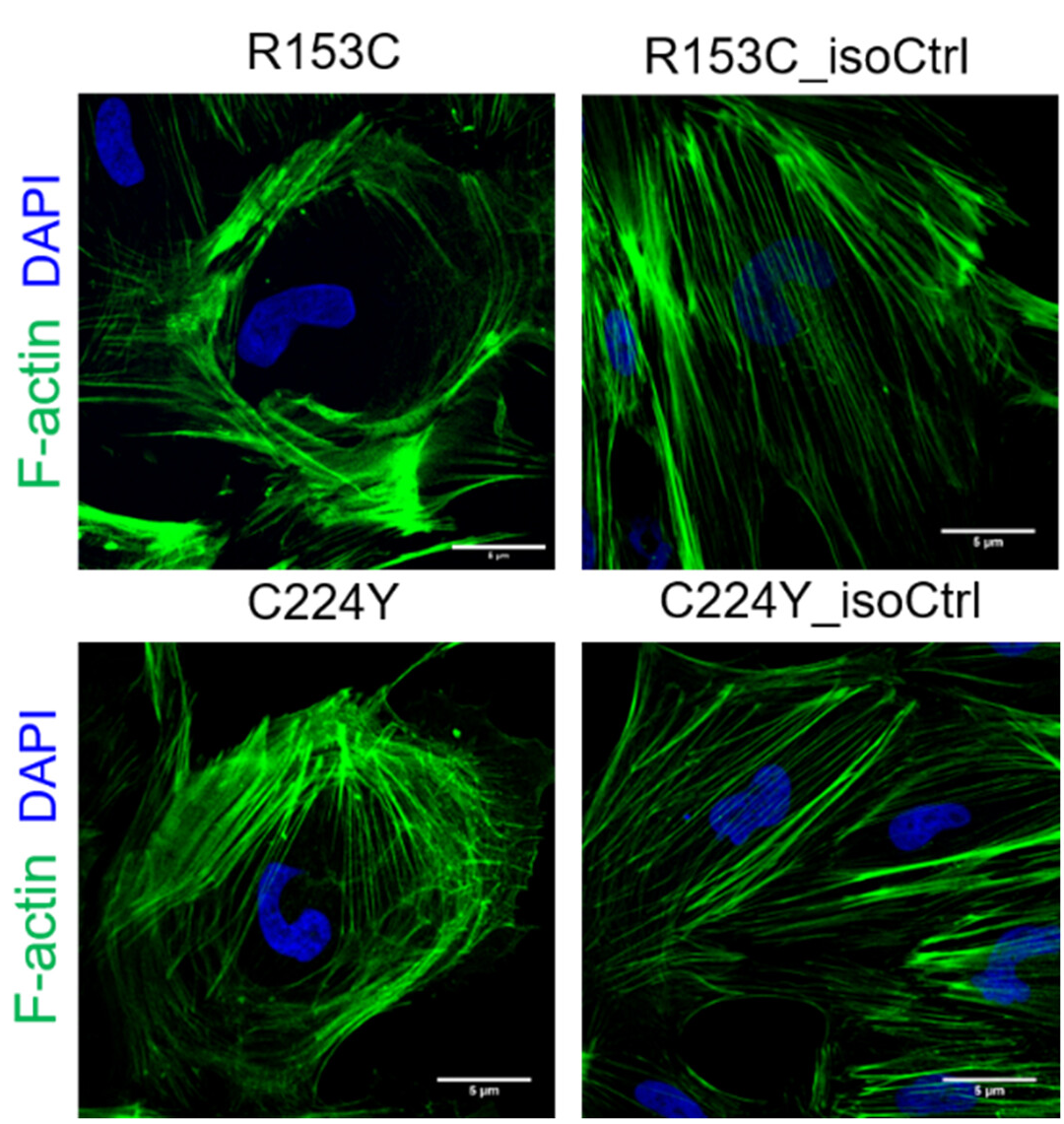
To better understand this, researchers created human brain blood vessel cells in the lab using stem cell technology. These cells showed the same problems seen in patients, including damage and reduced function.
The team then tested a group of drugs known as PDE5 inhibitors.
These are existing medicines already used for other conditions. In the lab, the drugs helped improve how the damaged cells worked and supported their survival.
While this does not mean the drugs are ready to be used as a treatment, the findings suggest they could be a promising area for future research.
Artificial intelligence also played an important role in the study. Researchers developed new tools to analyse detailed microscope images of the cells, helping them measure changes more accurately and understand how the disease affects the body.
Experts say the research is an important step towards better understanding small vessel disease and how it might be treated in the future.
However, more studies, including tests in patients, will be needed before any new treatment becomes available.
The findings were published in the journal Science Advances.