
Students Restore Identity of 18th-Century Man Lost to History for 250 years

By Community Correspondent
University of Leicester students have helped bring a forgotten piece of local history back to life after uncovering the inscription on a gravestone that had been unreadable for generations.
Taking part in an archaeological field school in the village of Loddington, Leicestershire, the students used specialist digital imaging technology to reveal the identity of a young man whose story had been hidden by more than 250 years of weathering.
The team discovered that the heavily eroded gravestone belonged to Henry Reeve, who died in 1772 at the age of just 21.
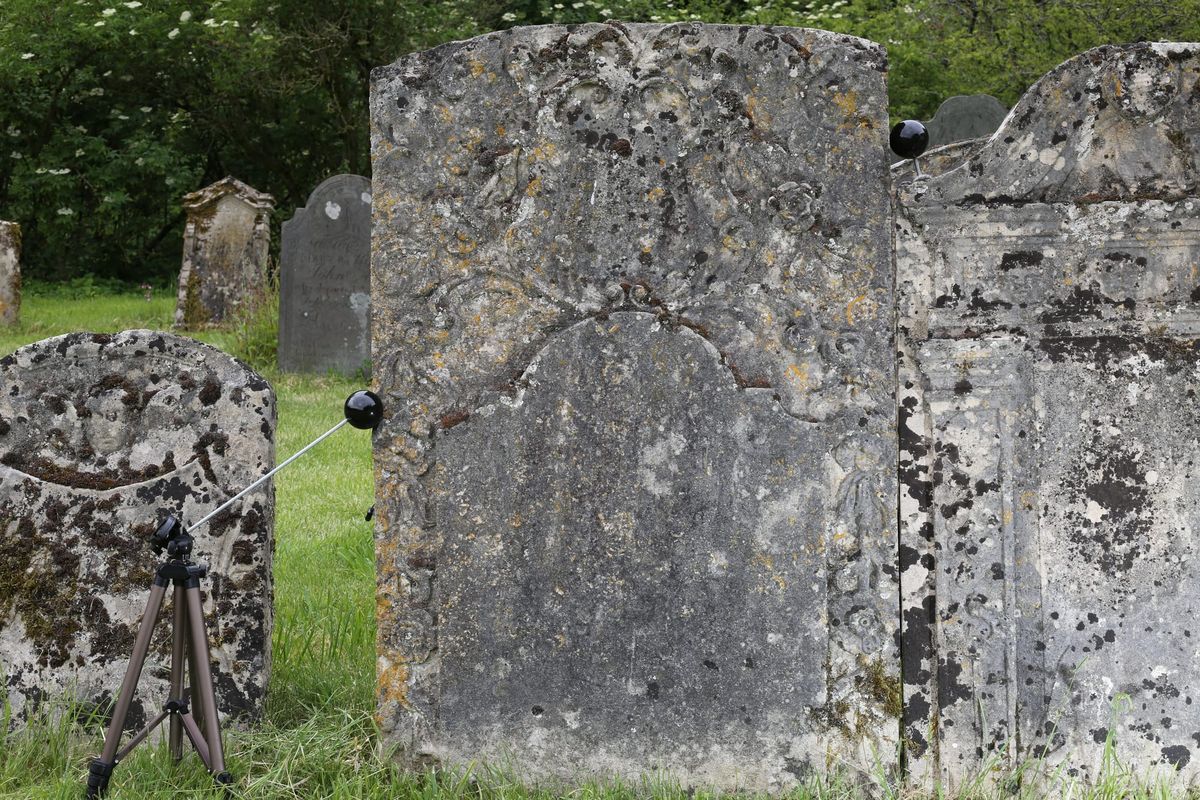
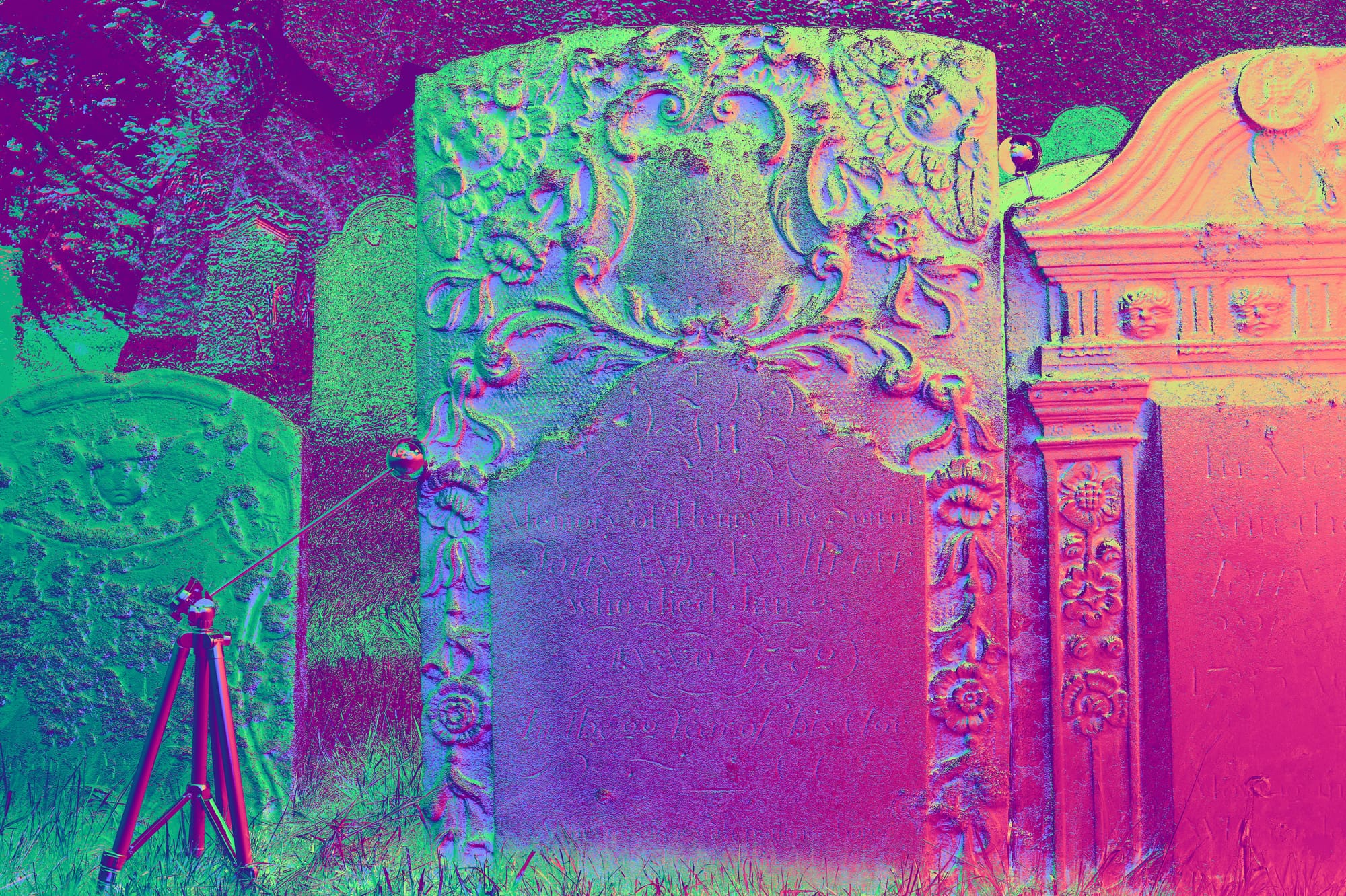
Students used Reflectance Transformation Imaging (RTI), a technique that captures detailed surface information using multiple light sources, to study the worn gravestone in the churchyard of St Michael’s Church.
They learned how to use the technology during hands-on workshops led by Dr Jane Masséglia, Associate Professor of Ancient History at the University of Leicester.
At first, the inscription was so badly worn that it was impossible to read. But after processing the images, the students were able to reveal a clear inscription which reads:
"In Memory of Henry the Son of John and Ann Reeve Who died Jan 23 ANNO 1772 In the 22 year of his age."
The discovery surprised the students, many of whom are close in age to Henry himself.
“We were surprised to find out he was so young,” said Holly Blunt, a first-year Archaeology and Ancient History student.
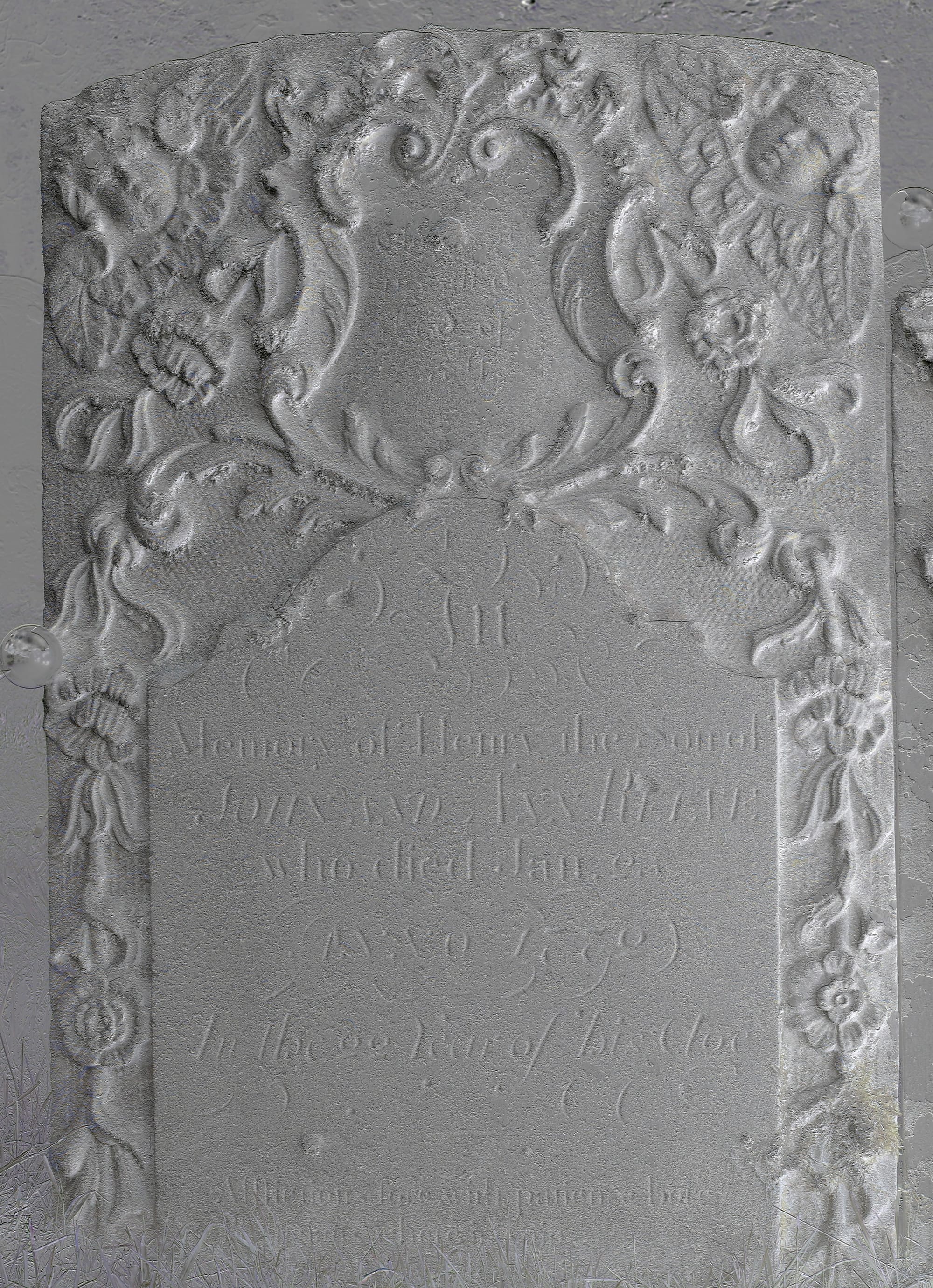
The imaging process also uncovered two faint lines of text at the bottom of the stone that had previously been invisible. These formed part of a popular 18th-century verse often used on gravestones of people who had suffered a long illness:
"Affliction sore with patience bore / Physicians were in vain."
Researchers also identified a third, partially visible inscription on a shield above the main text, which is now being analysed further.
 Good News Post
Before the discovery, Henry Reeve's gravestone had no recorded entry on the national FindAGrave database.
Thanks to the students' work, the stone has now been officially documented online, ensuring Henry's name and story are preserved for future generations.
“It was fantastic to decipher the inscription so that Henry Reeve can now be remembered,” Holly said. “It almost brings him back to life.”
Dr Masséglia said the project was about reconnecting people with the communities that once lived in the area.
“Spending your day in a graveyard might sound a bit morbid, but really it’s about putting the people back into the landscape that we’re excavating,” she said.
“The Reeves were a well-known local family who, from parish records, we know were living in Loddington from at least the early 1600s.
“Last year we deciphered the neighbouring stone to Henry’s, and now we realise it belonged to his mother. She died 20 years after her son and was buried right next to him, their headstones so close that they are touching.
“We wouldn’t have understood what we were looking at without RTI. We’re combining traditional fieldwork with digital techniques so we can recover voices that would otherwise remain lost.”