
Berry clever! New seaweed coating could stop strawberries going mouldy

By Science Correspondent
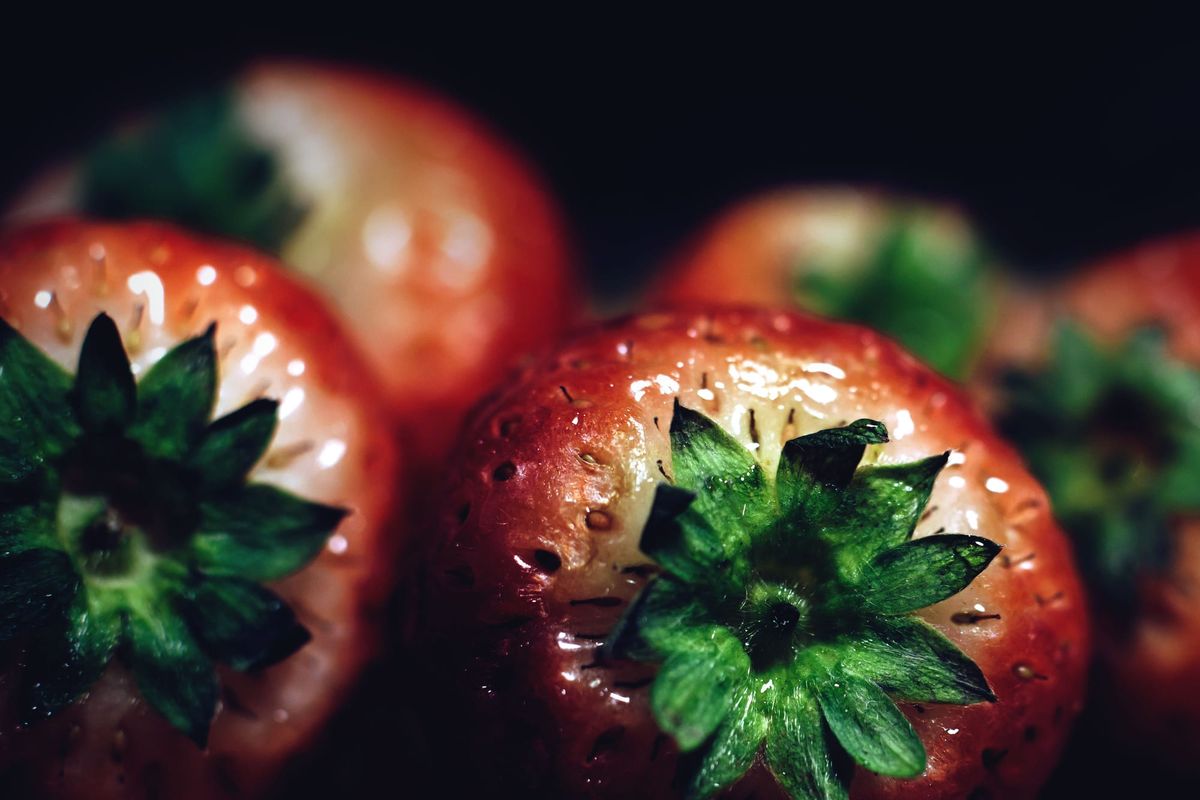
A new edible coating made from seaweed could help keep strawberries fresher for longer, reducing food waste and cutting the need for refrigeration.
Researchers at the University of British Columbia have developed the clear coating using agar – a natural ingredient derived from red seaweed that's already widely used as a vegan alternative to gelatine.
They believe the breakthrough could help fruit stay fresher from the farm to supermarket shelves.
In tests, strawberries coated with the new solution stayed fresh for at least four days at room temperature without developing mould. Uncoated strawberries, by comparison, started to spoil within just two days.
Even when refrigerated, coated strawberries stayed fresh for at least six days, while untreated fruit deteriorated much sooner.
DON'T MISS:
 Good News Post
The research team created the coating by combining agar with zinc, an essential nutrient, and tannic acid, a natural plant compound found in foods such as grapes and tea. Together, they form a thin, invisible protective layer around the fruit that helps reduce moisture loss while protecting against mould and bacteria.
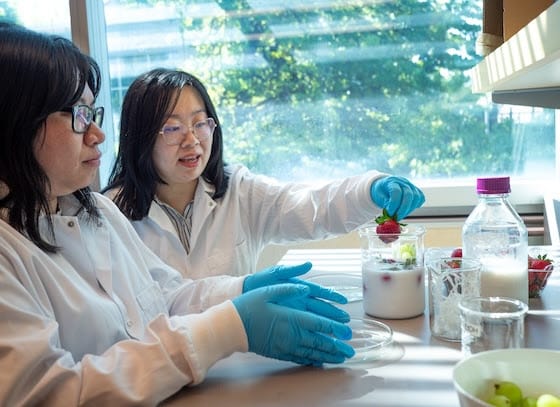
Senior author Dr Tianxi Yang said:
"We wanted to find a simple alternative to cold storage. Once we added the coating, the fruit became far less sensitive to changes in temperature and moisture and stayed fresh longer."
The team also tested the coating on grapes and apple slices, with both showing similar improvements in freshness.
Researchers say the discovery could make a real difference in tackling food waste.
Large amounts of fresh fruit and vegetables are lost every year because they spoil during storage and transport, with refrigeration adding significant energy costs throughout the supply chain.
As well as helping fruit last longer, the coating was found to have antibacterial properties and showed no signs of toxicity during laboratory testing.
For anyone who would rather not eat it, most of the coating can simply be washed away under running water in a couple of minutes.
The team also found that using the coating could have a lower environmental impact than relying solely on refrigeration, reducing both energy use and carbon emissions.
The findings, published in the Journal of Agricultural and Food Chemistry, could one day help supermarkets, growers and consumers waste less food while keeping fruit fresher for longer.
Researchers are now exploring how the coating could be used on more types of fruit and vegetables before it is introduced commercially.