University of Leicester scientists help uncover mystery in Saturn’s clouds

By Science Correspondent
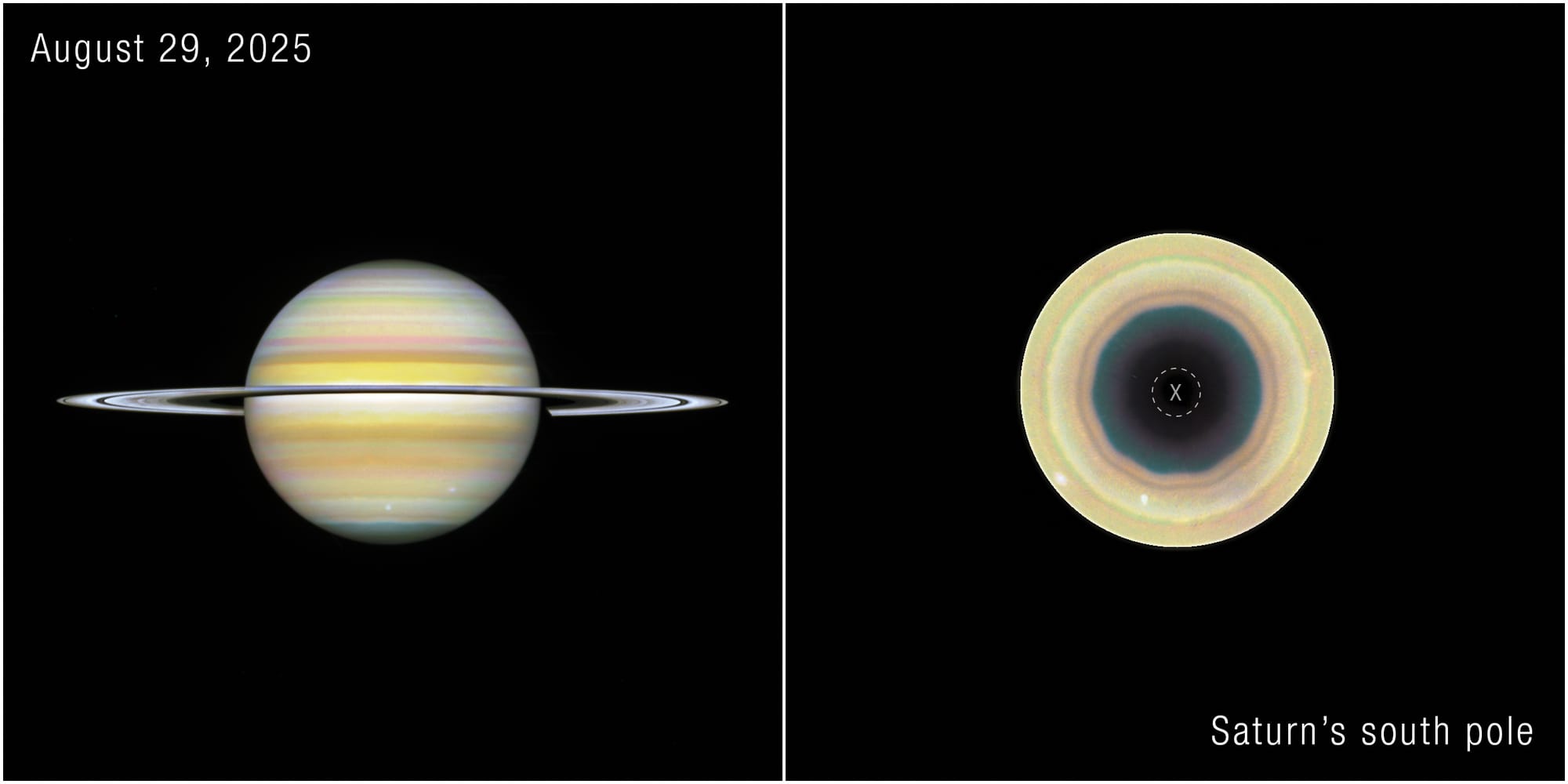
A mysterious 10-sided shape has been spotted around Saturn’s South Pole, with observations from the University of Leicester helping scientists investigate the unusual feature.
The structure, known as a decagon, was seen in images from the Hubble Space Telescope and by amateur astronomers around the world. The findings have been published in Science Advances.
Saturn is already known for a huge six-sided shape around its North Pole. First spotted by the Voyager spacecraft in 1980 and 1981, the hexagon has remained there for more than 30 years.
Scientists had never seen a similar feature around the South Pole.
That changed as Saturn’s southern hemisphere became easier to see from Earth between 2023 and 2025.
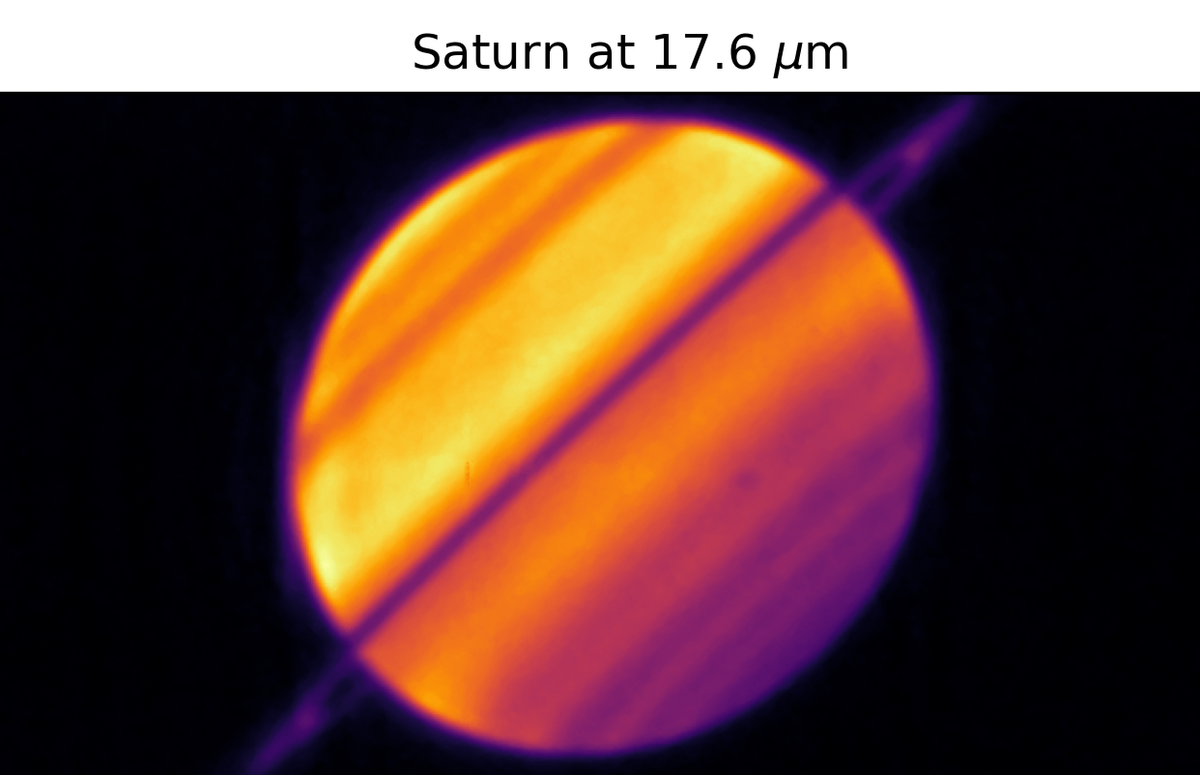
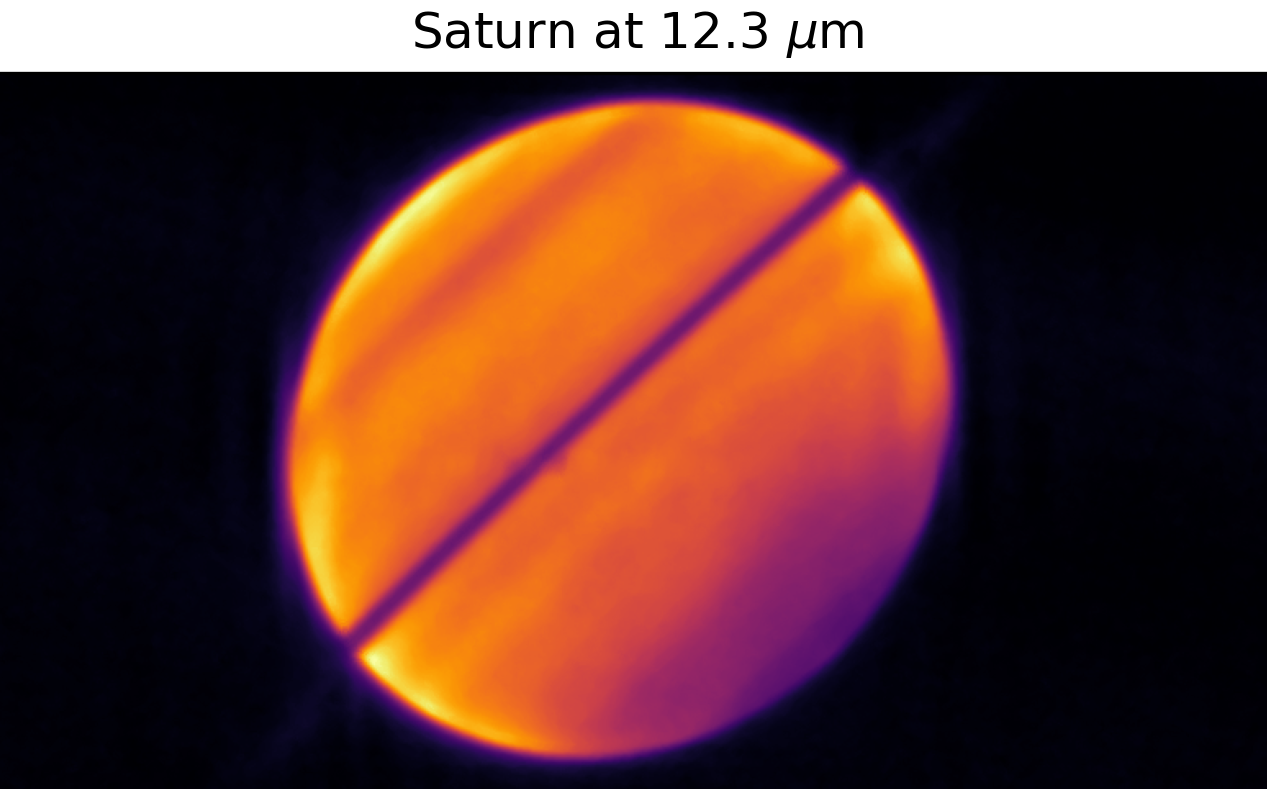
Professor Leigh Fletcher from the University of Leicester used the Very Large Telescope at the European Southern Observatory in Chile to take infrared images of Saturn. The observations provided information about temperatures and winds around the new decagon.
“Saturn still has the ability to surprise us,” Professor Fletcher said. “Something has clearly changed during that long winter when we weren’t looking.”
The decagon sits within a powerful jet stream, where winds can reach around 400 kilometres per hour. The shape itself moves much more slowly, at around 10 kilometres per hour.
Images taken by amateur astronomers were also important to the research.
Their observations throughout 2025 helped scientists track the movement of the decagon and study how it was changing.
Professor Fletcher said it was “really exciting” to see amateur observers using backyard telescopes and sharing their images, adding that their data first suggested that something unusual was happening.
The researchers say the decagon appears to be less stable than the famous northern hexagon, and further observations could help explain how these unusual shapes form.
Lead researcher Agustín Sánchez-Lavega said the discovery raises fundamental questions about the weather and atmosphere of giant planets.
For now, scientists are left with another Saturn mystery — and the chance to watch the strange new shape develop in the years ahead.