Compost-grown tomatoes could make supermarket fruit taste sweeter

By Science Correspondent
A simple change to the soil could help commercially grown tomatoes taste better — while also giving food and garden waste a new lease of life.
Researchers at the University of Queensland have found that tomatoes grown with food organics and garden organics (FOGO) compost were sweeter, more aromatic and more appealing to consumers than conventionally grown tomatoes, particularly after storage.
The study, carried out in South East Queensland, compared tomatoes grown with and without commercially produced FOGO compost.
The crops were otherwise grown, harvested, transported and stored under the same conditions.
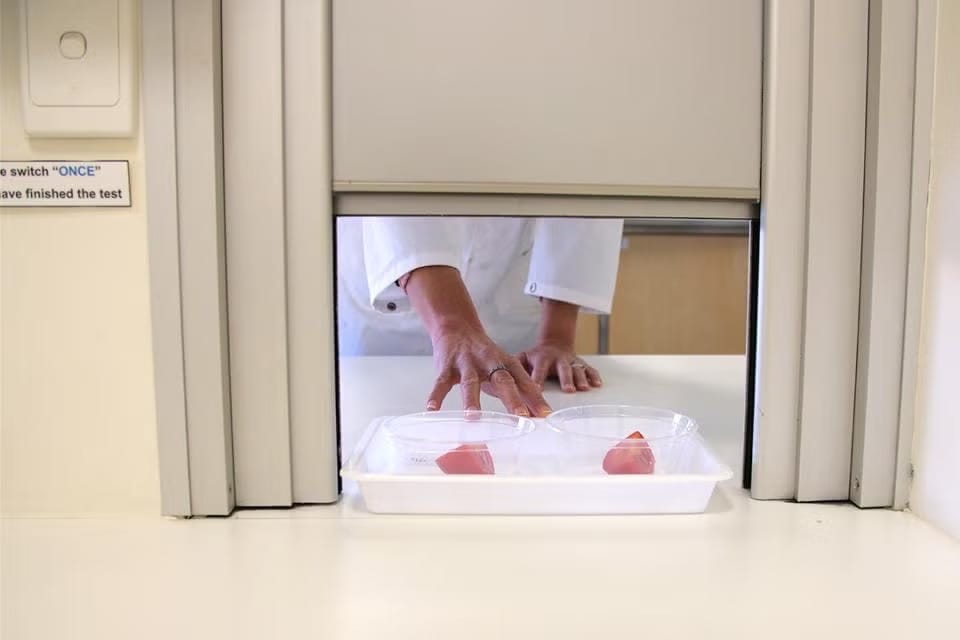
Volunteers tasted, smelled and examined the tomatoes five days after picking and again after an additional week in storage — a timeframe designed to reflect the journey tomatoes make from farm to shop and ultimately to the dinner table.
While both groups received similar ratings in the first tasting, the difference became clear after storage.
FOGO-grown tomatoes were twice as likely to be described as sweet, while the control tomatoes were more often considered bland.
The compost-grown tomatoes were also judged to have a better appearance and more pleasant smell.
Chemical analysis backed up the tasters' verdict.
The FOGO tomatoes had higher sugar-related compounds and lower levels of malic acid, which can contribute to sourness. After storage, they also had higher levels of amino acids associated with savoury and umami flavours.
DON'T MISS:
 Good News Post
Dr Nicole Robinson said the research provides new evidence that compost can improve not just crop production, but the quality of food reaching consumers.
“Keeping organic waste out of landfill where it creates greenhouse gases and using it to grow better food is a win for the environment and us,” she said.

Importantly, the researchers found no noticeable difference in yield or tomato size at harvest. Instead, the benefit appeared in the eating quality of the fruit as it moved through the supply chain.
The findings suggest FOGO compost could offer growers a practical way to turn household and garden waste into a resource — while potentially putting tastier tomatoes on shoppers' plates.
The chemical analysis was led by food chemist Dr Marlize Bekker, with UQ student Jia Wang also contributing to the research.
Read the research in npj science of food.