Some Flowers Have a Clever Way of Sending Pollen to Bees

By Science Correspondent
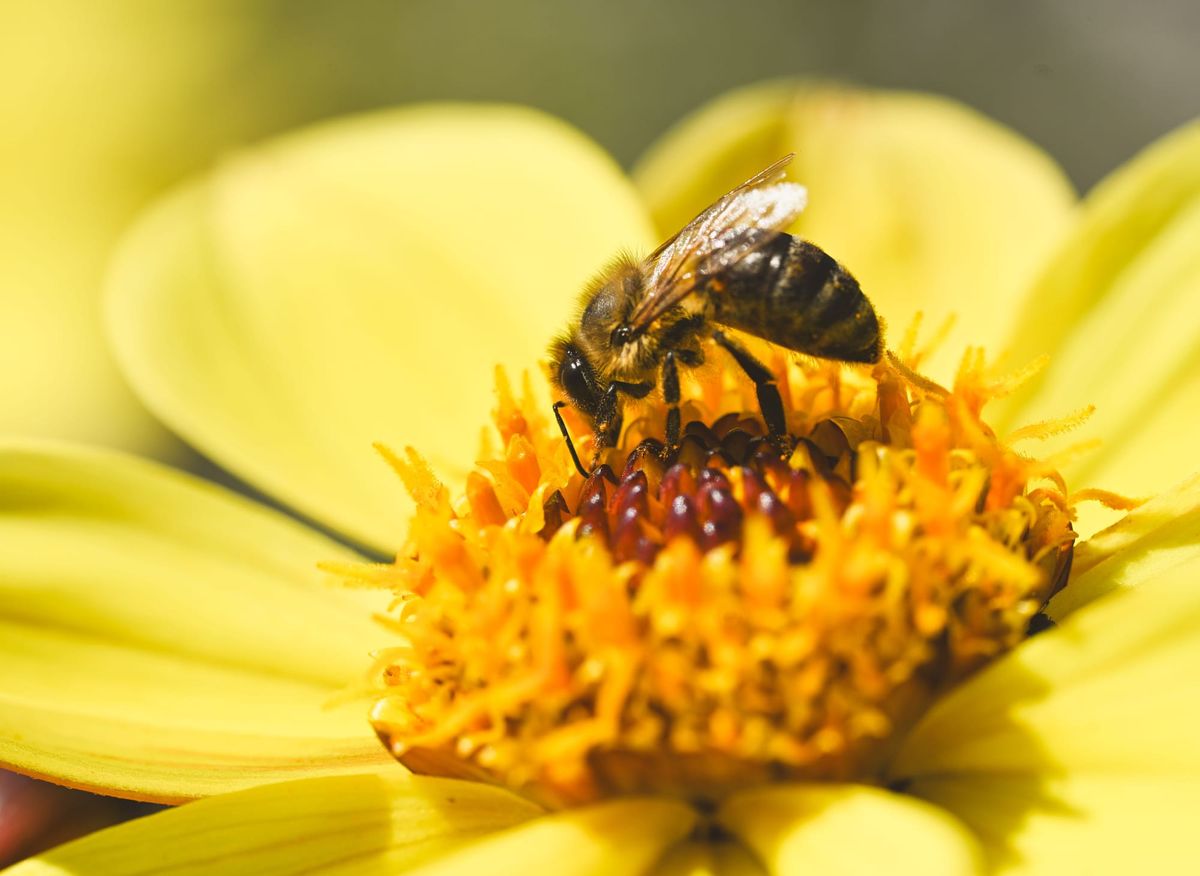
Some flowers appear to have their own clever way of aiming pollen at bees, according to new research from the University of Vienna.
Scientists have discovered that tiny scoop-shaped structures on some flowers can help shoot pollen towards bees in narrow, fast-moving jets.
The finding could help explain why some plants are particularly good at getting their pollen onto bees.
The study looked at more than 500 species of flowering plants. Around 10 per cent of flowering plants rely on a process called “buzz pollination”, where bees use vibrations to shake pollen out of flowers.
Tomatoes, blueberries and eggplants are among the familiar plants that use this unusual method.
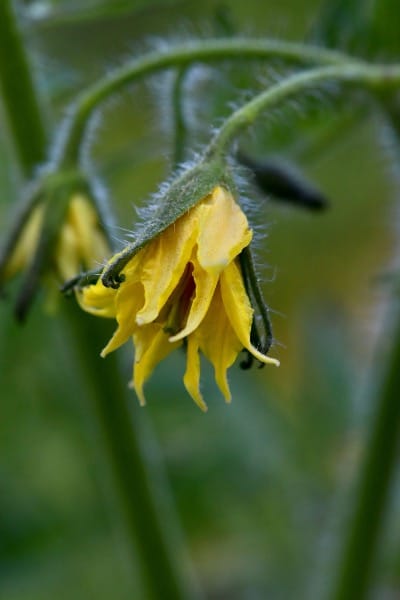
Unlike many flowers, these plants keep their pollen hidden inside small structures called anthers.
The pollen is only released when a bee grabs the flower and vibrates its body.
The researchers found that some plants have a small scoop around the opening of the anther. These scoops appear to act like tiny guides, sending pollen out in a much narrower stream.
The pollen also travelled faster from flowers with the scoop-shaped structures.
Benjamin Lazarus, a PhD researcher at the University of Vienna, tested the discovery using an artificial setup designed to copy the vibrations made by bees. High-speed cameras were then used to capture the pollen as it left the flowers.
The team found that the shape of the opening was not the only thing that mattered. The frequency of the vibration also affected how the pollen was released.
Different species of bees vibrate flowers at different frequencies, meaning some bees may be able to remove more pollen than others.
Lead researcher Agnes Dellinger said the more targeted pollen streams could help plants place pollen on specific parts of a bee’s body, where it is less likely to be removed as the bee cleans itself.
DON'T MISS:
 Good News Post
That could give the plants a better chance of getting their pollen to another flower.
The discovery could become increasingly important as bee populations decline and temperatures become more extreme. Research suggests that temperature can affect the frequency at which bees vibrate flowers.
The study offers another glimpse into the remarkable relationship between bees and the plants that depend on them — and shows that even tiny details in a flower can make a big difference.