
The ‘American cheetah’ wasn’t a cheetah — and it had a surprising diet

By Science Correspondent
New research has revealed that the extinct animal known as the “American cheetah” was actually more closely related to modern pumas — and some populations living near the Arctic appear to have eaten almost exclusively fish.
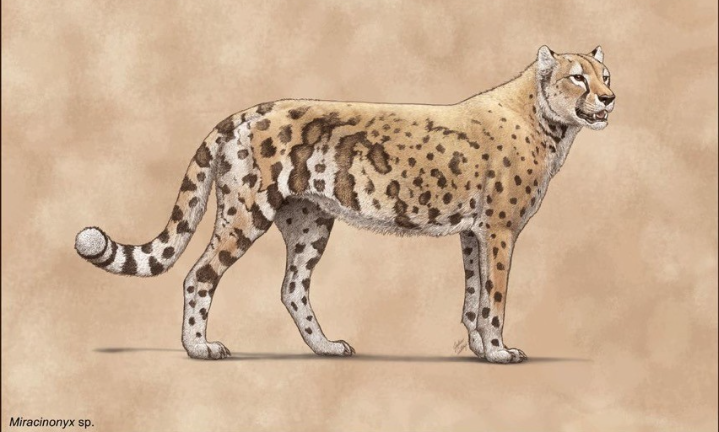
The findings, published September 4 in Current Biology, challenge long-held assumptions about Miracinonyx trumani, a cat that lived across North America during the Pleistocene, around 2.5 million to 16,000 years ago.
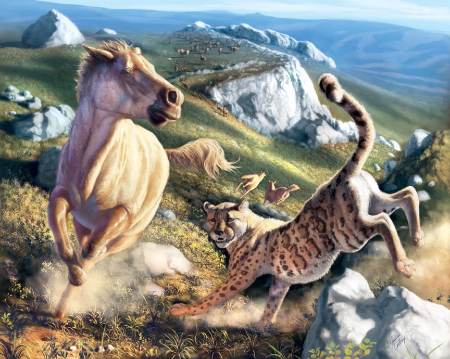
With its slender body and long front legs, the animal was traditionally thought to resemble the modern African cheetah and to have hunted fast-running prey such as pronghorns.
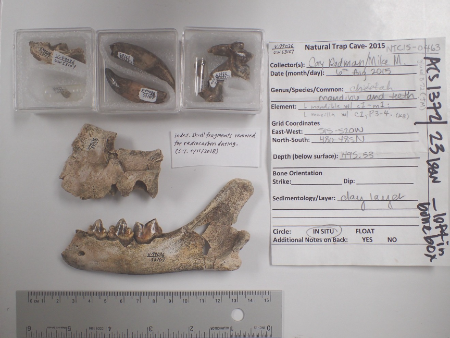
Researchers from the University of California, Santa Cruz, sequenced ancient DNA from four M. trumani specimens — one from Wyoming and three from Canada's Yukon territory.
The genetic evidence showed that M. trumani was most closely related to modern pumas. The two lineages diverged from a common ancestor around 2.6 million years ago.
The Yukon fossils also revealed a remarkable story about the animal's diet.
By analysing nitrogen and carbon preserved in the fossils, researchers found that the Yukon animals showed signals indicating they preyed almost exclusively on fish.
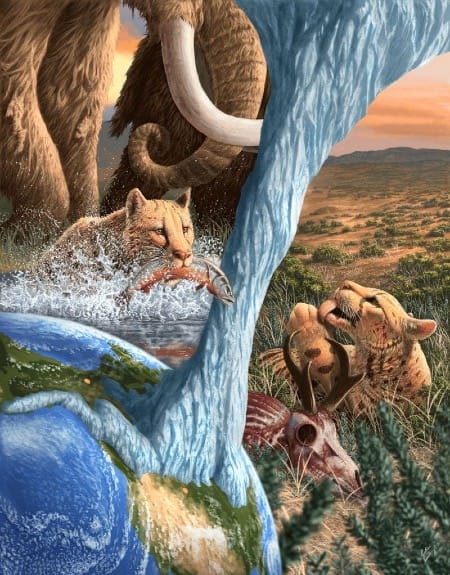
Their nitrogen profiles were similar to those of fish-specialist orcas and sea wolves living along the coast of British Columbia.
In contrast, the Wyoming M. trumani showed the profile of a terrestrial predator that mostly ate herbivores.
The discovery suggests the extinct cat was capable of adapting its diet to very different environments — potentially helping it survive across a huge geographical range, from subtropical regions to the Arctic.
DON'T MISS:
 Good News Post
The Yukon discoveries also extend the known range of M. trumani more than 20 degrees of latitude farther north than previously known.
“It’s very surprising and exciting to identify another predator present in Beringia,” said first author Molly Cassatt-Johnstone of the University of California, Santa Cruz.
Researchers also found that two genes involved in regulating circadian rhythms were nonfunctional in M. trumani.
This may indicate that high-latitude populations adapted to extreme periods of daylight and darkness, although the findings could also be consistent with nocturnal behaviour.
The researchers say the study highlights how easily extinct animals can be misunderstood when they are compared too closely with species alive today.
“The M. trumani fossils suggest that this ‘American cheetah’ was far more adaptable than its nickname implies,” Cassatt-Johnstone said.
The species likely became extinct as the last ice age gave way to the warmer Holocene.