Brothers win international award for £100 portable Braille printer

By Science Correspondent
Two brothers have won international awards for developing a low-cost Braille printer that could make printed materials more accessible to people with sight loss.
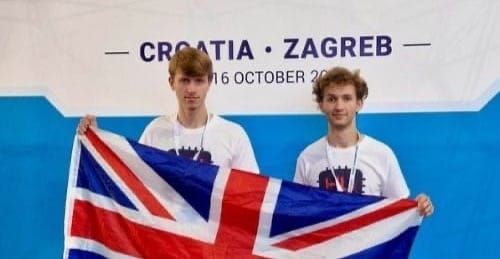
Tom Hunt, who began studying Design Engineering at the University of Bristol this September, and his 16-year-old brother Felix designed and built BrailleGo!, a portable printer that can produce Braille documents for around £100.
Competing for the UK at the 2026 World Robot Olympiad European Open Championship in Zagreb, Croatia, the brothers won the Best Start-Up Idea award.
They also came second in both the European and global Senior Future Innovators rankings.
Their invention, developed under the team name Hunt Robotics, can print short-run materials such as children's books, museum guides, leaflets and meeting agendas.
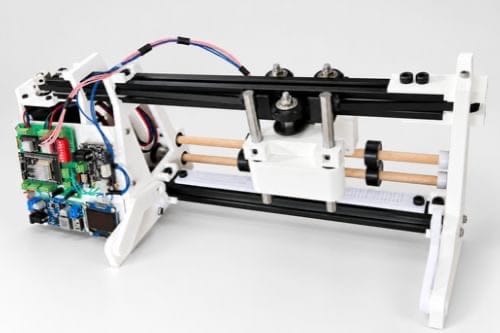
Commercial Braille printers can cost more than £1,000, making BrailleGo! a much cheaper alternative.
The idea came partly from their own family experience.
Their grandfather lost his sight in his sixties, while their mother's volunteering with the Royal National Institute of Blind People (RNIB) helped them understand the difficulties of accessing printed Braille materials.
DON'T MISS:
 Good News Post

The brothers now plan to make the printer's designs, software and instructions freely available online so others can build and adapt it.
Judges praised the quality of the engineering and the brothers' teamwork, particularly noting that they had developed the project independently, without the support of a coding or maker club.
Tom said: "BrailleGo! was a real challenge to design and build, so seeing it work and produce readable Braille, and then doing so well in Zagreb, is a fantastic feeling. I'm proud that we made something affordable that could be genuinely useful."
Felix added: "Building BrailleGo! taught me a lot about engineering, problem-solving and teamwork, and I'm excited to take that experience with me when I go to university."
Gareth James, co-founder of STEMpura, which leads the UK's participation in the World Robot Olympiad, added:
"Tom and Felix have shown what young people can do when they are given a real problem to solve and a stage to solve it on. BrailleGo! is brilliant engineering with a generous heart, and we are proud to have been able to see them develop from the UK final to Zagreb."
The competition brought together 220 national-winning teams from 45 countries, with this year's theme, Robots Meet Culture, exploring how technology can improve access to arts, heritage and cultural experiences.