Hampshire Surgeon Moves Closer to Becoming First Astronaut With a Disability in Space

By Science Correspondent
A Hampshire surgeon who lost his right leg in a motorcycle accident could become the first person with a physical disability to take part in a long-duration space mission.
John McFall, a former Paralympian and member of the European Space Agency's Astronaut Reserve, is being considered for a future mission to a commercial space station planned for launch in 2027.
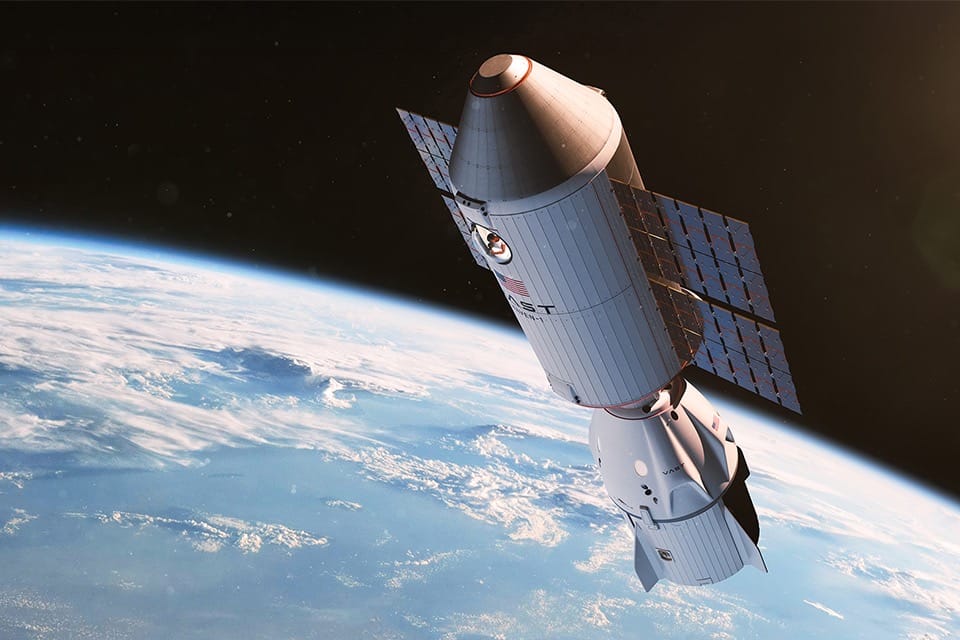
The opportunity follows an agreement between the UK Space Agency and US space company Vast, which is developing the Haven-1 space station.
Mr McFall was selected by the European Space Agency in 2022 for its Fly! project, which is looking at how astronauts with physical disabilities can take part in future missions.
Last year he became the first person with a physical disability to be medically cleared for a long-duration mission in space.
If he flies, Mr McFall would carry out research into how prosthetic limbs perform in microgravity and how the human body adapts to life in space.
The research could help improve prosthetic design and provide new insights into rehabilitation and conditions such as osteoporosis and muscle loss.
Mr McFall, who represented Great Britain in sprinting at the 2008 Beijing Paralympics, said:
"Signing this agreement with Vast is incredibly exciting. If we can make this mission happen, it won't just be a milestone for human spaceflight, it will send a powerful message about what people with disabilities are capable of, and that there should be no limit to what you can achieve - on Earth or in space."
 Good News Post
The Hampshire surgeon has been training with the European Space Agency since 2023, including taking part in zero-gravity flights and other exercises designed to prepare astronauts for future missions.
If selected, he would become the first Briton to travel into space since Tim Peake's mission to the International Space Station in 2015 and 2016.
Tim Peake said:
"John McFall is an inspiration – not just to the space community, but to everyone who has ever been told there are limits to what they can achieve.
"This agreement is a landmark moment for inclusive human spaceflight, and I hope it brings us one step closer to seeing John in space."