
New Research Shows Swifts Would Rather Keep Their Home Than Their Partner

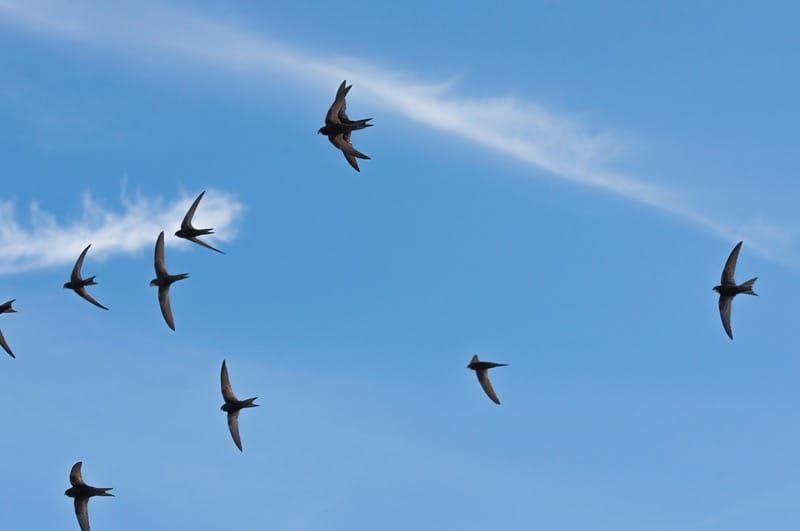
By Animals Correspondent
Swifts are far more loyal to their nesting sites than to their partners, according to a 15-year study that sheds new light on the behaviour of one of the UK’s most recognisable summer birds.
Researchers from the RSPB found that the vast majority of Swifts return to the same nest site each year, even when pairings are less consistent.
In total, 94% of birds studied came back to the same nesting location each breeding season, while 59% paired with the same partner as the previous year.
The research was carried out in and around a village on Dartmoor, where scientists monitored 243 nests over 15 years using uniquely numbered leg rings to track individual birds and their breeding behaviour.
In cases where both birds in a pair were identified over multiple seasons, just 5.5% were found to have separated and formed new pairings. Even so, loyalty to place remained stronger than loyalty to a mate.
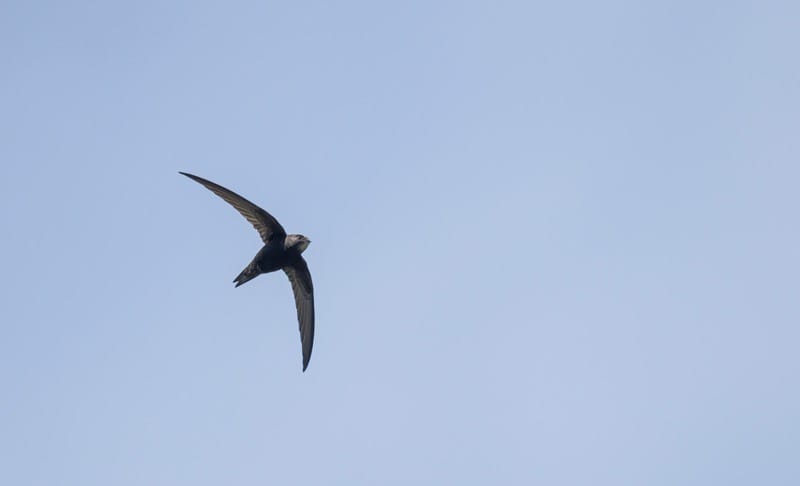
Swifts are a familiar sight over UK towns and cities in summer, known for their distinctive screaming calls and rapid, scythe-like flight. They spend almost their entire lives airborne, only landing to breed.
Each year they migrate more than 3,000 miles from Africa to the UK, often returning to the exact same crevice or roof space they used before.
But while their attachment to nesting sites remains strong, the places they rely on are becoming harder to find.
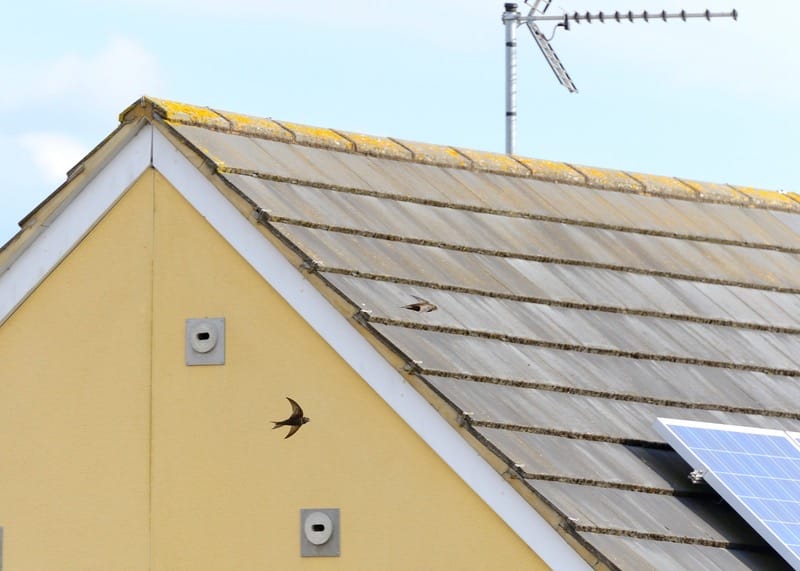
Modern building methods and renovations have gradually reduced the gaps and cavities Swifts depend on to nest, contributing to long-term population decline.
The UK Swift population has fallen by around 70% since the mid-1990s, a drop linked to the loss of nesting sites and reduced insect numbers.
The findings also highlight what conservationists say could help stabilise numbers in the future.
Conservationists say there are already practical steps that can make a real difference, particularly in how buildings are designed and renovated.
One of the most effective measures is the inclusion of Swift bricks or nest boxes in new homes and redeveloped buildings, providing the small cavities the birds rely on to raise their young.

In Scotland, Swift bricks have already been made a requirement in new developments — a move campaigners point to as an example of what can be achieved when provision is built into planning rules from the outset.
Elsewhere in the UK, similar approaches are being encouraged, with conservation bodies arguing that relatively small design changes could help secure long-term nesting opportunities in towns and cities.
DON'T MISS:
 Good News Post
Protecting existing nest sites is also seen as essential, as Swifts tend to return to the same locations year after year. Losing those spaces can force birds to relocate and lose valuable time during the short breeding season.
Where new nesting sites are provided, Swifts have been shown to adopt them successfully, allowing colonies to continue and, in some cases, expand.
The RSPB says a combination of protecting existing sites and increasing provision in new buildings would offer the most effective long-term support for the species.
Taken together, the research highlights a simple but striking picture: while Swift partnerships may change from year to year, their loyalty to place remains constant — and ensuring those places still exist will be key to their future in UK skies.