North Somerset Youth Parliament Discusses Political Education for Young Voters (By Nic,15)

By Nic, 15, Good News Room at WCSA
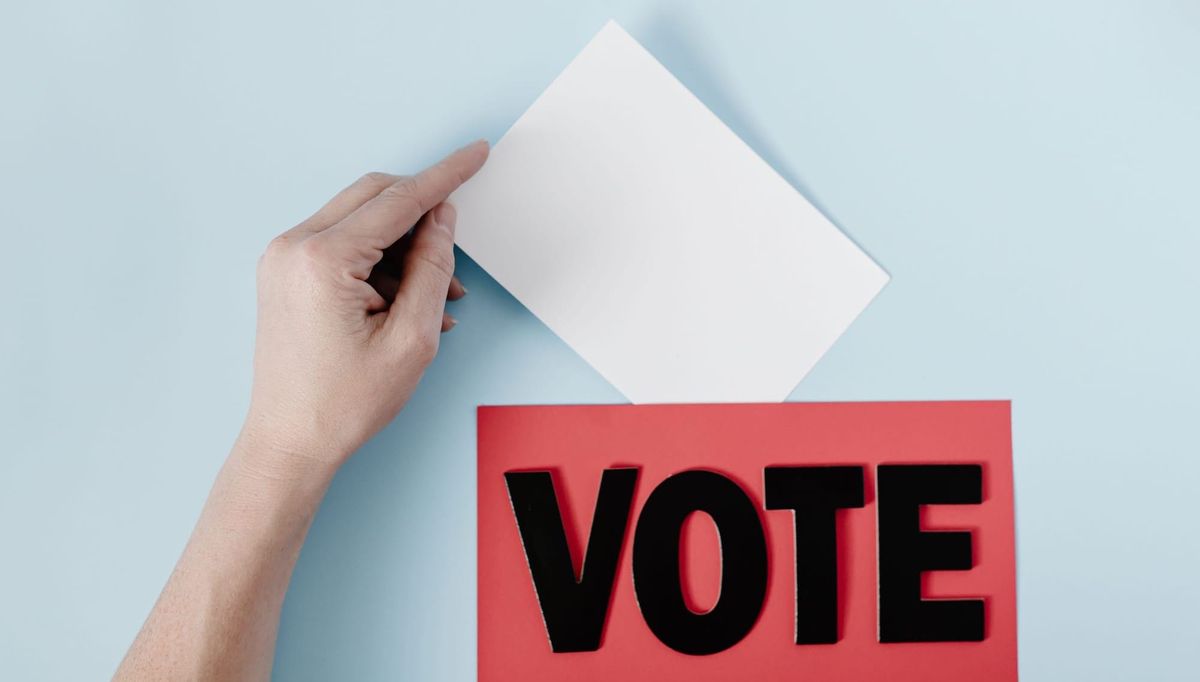
Plans to lower the voting age from 18 to 16 have sparked discussions about how young people can be better prepared for voting.
At a recent meeting, North Somerset Youth Parliament, alongside North Somerset councillors, explored what young people should be taught about politics and how they can feel more confident when voting for the first time.
When asked what young people need most to feel confident voting for the first time, the Youth Parliament agreed that young people need to be taught about politics in general, not just the different parties and what they do.
In addition, young people need to understand the practical side of voting, including how to vote and where voting takes place.
However, some members mentioned the risk of political bias from teachers. This led to ideas such as using videos from a variety of viewpoints to allow students to form their own opinions.
Members also suggested that teachers delivering political education should be specialists in citizenship and politics to help prevent misunderstandings.
What role should representatives and parties play?
Originally, it was suggested by a councillor that elected representatives and political parties should have no role. However, the North Somerset Youth Parliament decided they could be helpful.
Representatives and members of different parties could help teach young people about the mechanics of voting and how the system works. Members also suggested that schools should invite representatives from all parties so that young people can gain an insight into different viewpoints and avoid bias.
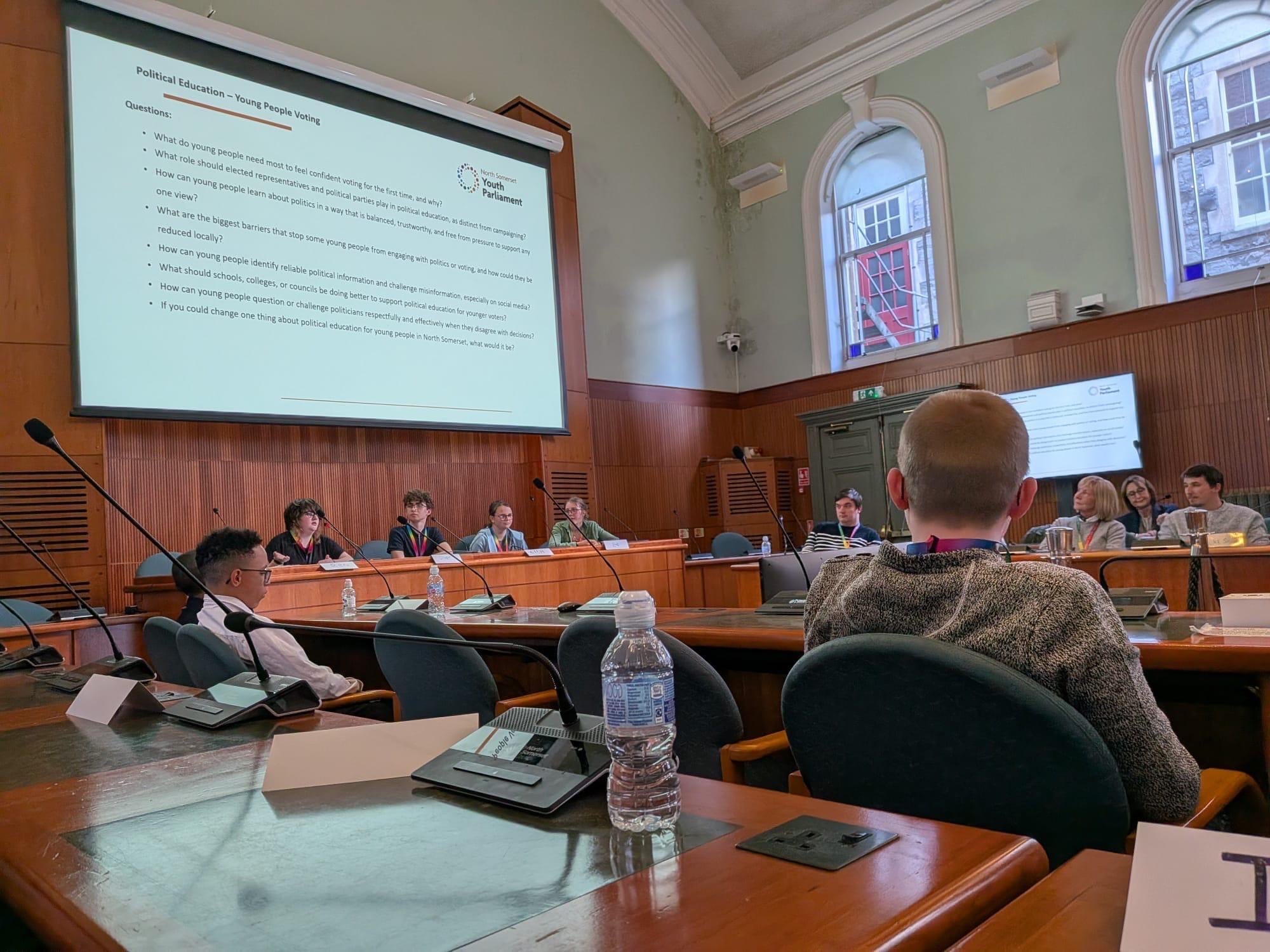
When Youth Parliament co-leader Oliver Masley asked the group about barriers to political engagement, the two main issues identified were young people's disengagement and a lack of confidence when it comes to politics.
To overcome these barriers, the Youth Parliament suggested that local councillors visit schools, or that students attend councillor workshops, so that young people can get to know their representatives and have their voices heard.
Members also felt that schools should take part in debates to give young people opportunities to express their views.
Another barrier discussed was stereotypes. One common stereotype is that politics is boring, which many young people believe. To challenge this, the North Somerset Youth Parliament suggested offering tasters of what politics is really like. Members also suggested creating videos explaining how voting works, as many young people are unfamiliar with the process.
 Good News Post
Another stereotype discussed was the belief among some adults that young people are less important when it comes to decisions about how the country is run.
This led to discussions about giving young people more influence throughout their lives, such as strengthening student voice in schools. Members felt this could help demonstrate that young people have valuable opinions and deserve to be heard.
The next discussion focused on accessing reliable information.
Social media is often full of misinformation, making it difficult for reliable information to stand out. Members noted that many young people may not read lengthy information online or may struggle to identify trustworthy sources.
As a result, the Youth Parliament said it would explore ways of sharing unbiased and reliable information with the wider young community.
 Good News Post
Finally, the group discussed how young people can respectfully challenge politicians when they disagree with them. Members noted that many young people are reluctant to directly question or challenge political decisions, often because of anxiety or a lack of confidence.
To address this, the Youth Parliament suggested creating websites that allow anonymous questions and feedback. They also discussed using posters in schools with information about local councillors, contact details and relevant websites. This links back to the idea of councillors visiting schools and engaging directly with young people.
Overall, the North Somerset Youth Parliament agreed that schools should play a role in political education and continues to explore ways of addressing the challenges young people may face when becoming involved in politics.