Penguin Chicks Beat The Odds After Tough Antarctic Season

By Conservation Correspondent
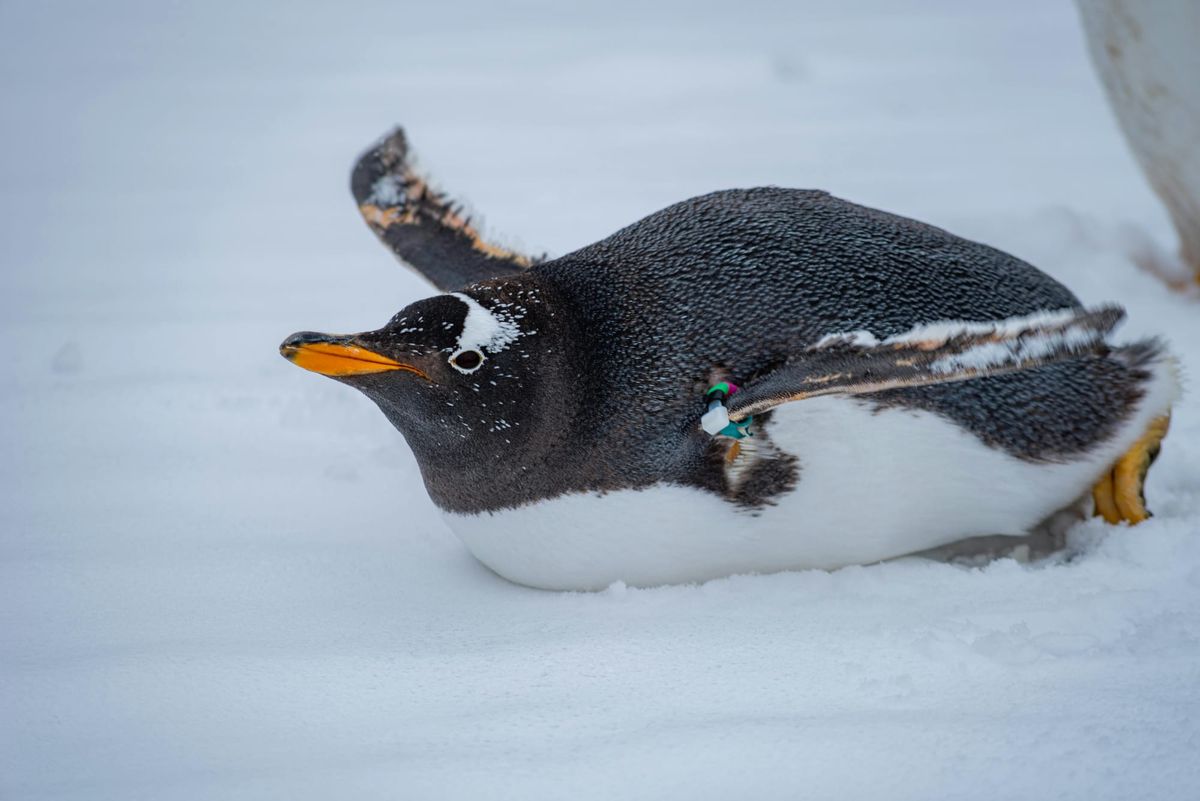
A gentoo penguin colony in Port Lockroy has come through a difficult breeding season, with young chicks now beginning to head towards the sea for the first time.
Wildlife monitor Pete has completed the final chick count of the season on Goudier Island, confirming that the colony has remained largely stable despite challenging weather conditions earlier in the summer.
Heavy rainfall during the early stages of the chicks’ development created difficult conditions across the island. The muddy ground can affect the chicks’ down feathers, making it harder for them to stay warm and increasing the risk of hypothermia.
Even so, chick numbers were only slightly down on last year.
Over recent weeks, many of the young penguins have entered the “crèche” stage, where they leave their nests and gather together in groups while growing their waterproof feathers.
 Good News Post
The chicks can now be seen making cautious trips to the shoreline, where they begin learning to swim before eventually heading out to sea on their own.
Counting the chicks becomes more complicated once they start moving around the island freely.
Instead of working colony by colony, the monitoring team divided the island into smaller counting areas using natural landmarks including rocks, ridges and gullies.
Several counts were carried out in each area to make sure the final numbers were as accurate as possible while causing as little disturbance to the penguins as they prepared for life beyond the colony.
Pete said it had been a privilege to spend the season working alongside the gentoo penguins, describing them as resilient animals capable of coping with some of the harshest conditions on Earth.
The monitoring work at Port Lockroy helps researchers track the health of gentoo penguin populations and better understand how Antarctic wildlife is responding to changing environmental conditions.
With the Antarctic summer coming to an end, the fledglings will soon leave the island and spend the winter at sea before returning in future years to breed themselves.
To see more from the UK Antarctic Heritage Trust click here